What Is a Money Clip? The Ultimate Guide (Mechanics, Benefits & Design)
Discover everything about money clips: how they work, their design mechanics, key benefits over traditional wallets, and how to use one effectively.

In a world shifting towards minimalism, the traditional bulky wallet is slowly becoming a relic of the past. Enter the money clip: a sleek, efficient alternative designed for the modern individual. But what exactly is a money clip, how does it work, and why should you consider making the switch?
This comprehensive guide explores the mechanics, design innovations, and top benefits of using a money clip, helping you decide if it's the right upgrade for your everyday carry (EDC).
What Is a Money Clip?
A money clip is a compact device primarily designed to hold folded banknotes and essential cards in a secure, organized bundle. Unlike a traditional wallet that relies on multiple pockets and layers of material, a money clip uses mechanical tension or magnetism to keep your items in place. It represents the ultimate in minimalist carry—stripping away the unnecessary bulk to leave you with only what you truly need.
How Does a Money Clip Work? (The Mechanics)
The core principle behind every money clip is compression. Whether it's a simple bent piece of metal or a high-tech engineered device, the goal is to pinch your cash and cards tightly enough to prevent them from slipping out, but not so tightly that they are damaged. There are three main mechanisms:
1. Spring Tension (The Classic)
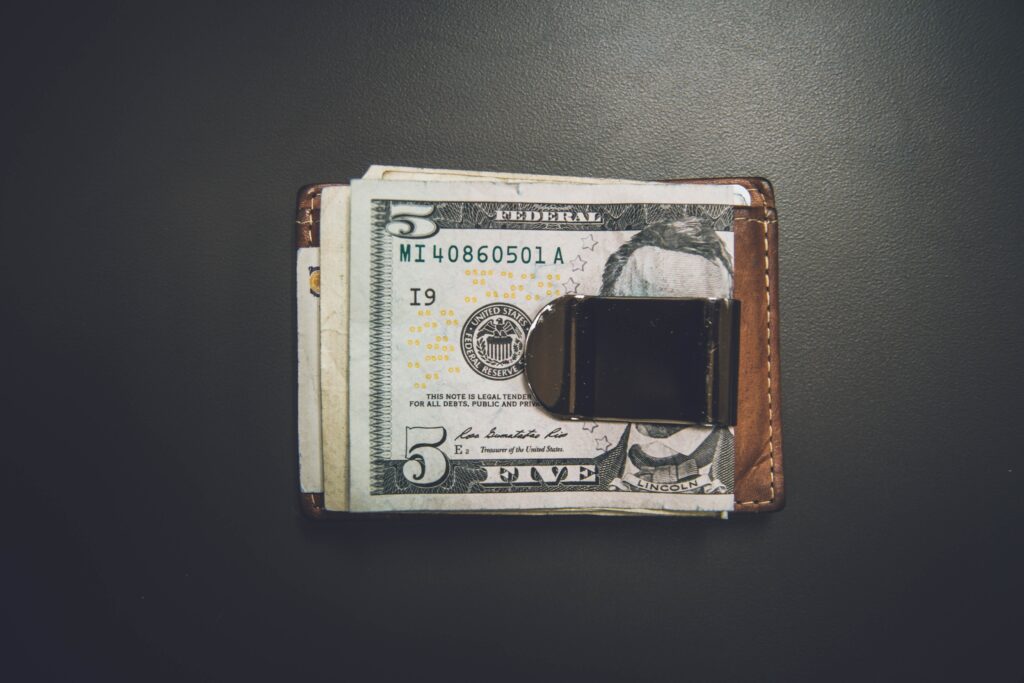
Most metal money clips are formed into a "U" or "V" shape. The metal is tempered to have "spring memory," meaning it constantly tries to return to its original closed position. This creates clamping force on anything inserted between the arms.
2. Magnetic Force (The Modern)
Common in leather-wrapped designs, these clips use powerful rare-earth magnets (like neodymium) embedded within the flaps. They snap shut over your bills, offering a secure hold that is easy to open and close. Note: Quality magnetic clips are shielded to prevent demagnetizing credit cards.
3. Hinged Clamp (The Mechanical)
Some designs feature a mechanical lever with a spring, similar to a clothespin but much stronger and flatter. These "active" clips often have a higher capacity and are easier to load.
Design & Materials: Built to Last
Money clips are crafted from a variety of materials, each offering different benefits for durability and style:
- Stainless Steel & Titanium: The gold standard for durability. Titanium is favored for being ultra-lightweight, hypoallergenic, and corrosion-resistant.
- Carbon Fiber: A high-tech option that is incredibly strong, featherlight, and won't set off metal detectors—perfect for frequent travelers.
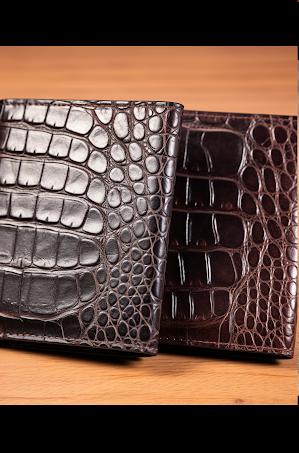
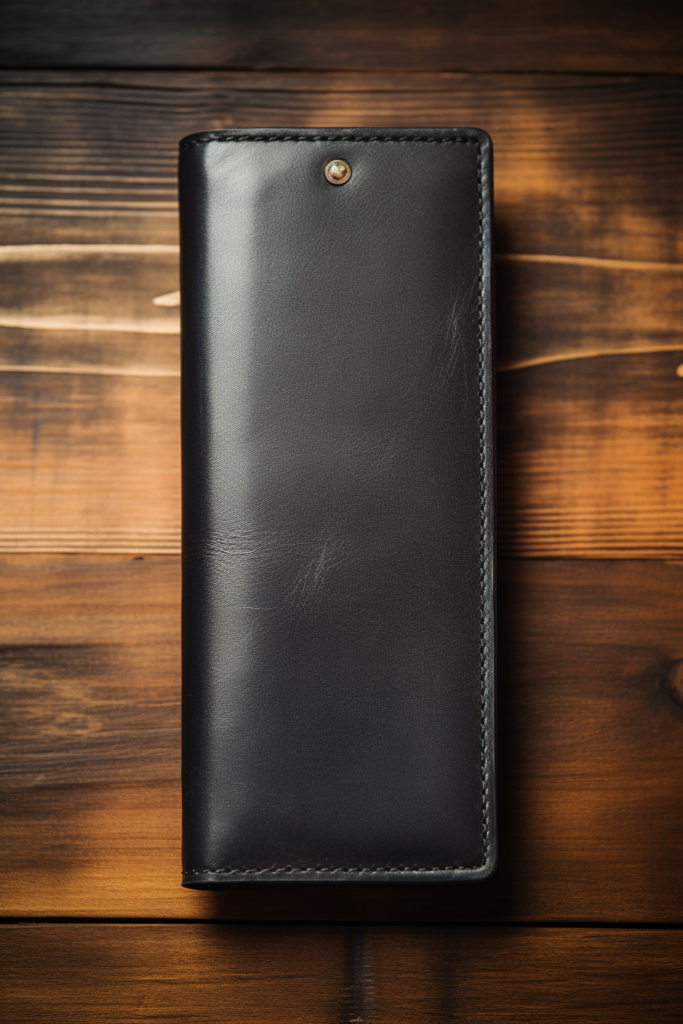
- Full-Grain Leather: For those who want the warmth and classic look of a traditional wallet but the slim profile of a clip. These often combine magnetic closures with card slots.
- Precious Metals: Sterling silver, gold, and platinum clips serve as luxury heirlooms, often engraved for personalization.

Top 5 Benefits of Using a Money Clip
Why make the switch from a traditional wallet? Here are the key advantages:
1. Superior Comfort & Health
Sitting on a thick wallet in your back pocket can misalign your spine and cause "wallet sciatica." A money clip is slim enough for front-pocket carry, eliminating back pain and improving posture.
2. Enhanced Security
Carrying your valuables in your front pocket makes you a harder target for pickpockets. It's much more difficult for a thief to access a front pocket unnoticed compared to a back pocket.
3. Forces Organization
Traditional wallets enable hoarding—we stuff them with receipts, expired coupons, and business cards "just in case." A money clip limits your capacity, forcing you to declutter and carry only essentials (ID, main cards, cash).
4. Quick Access
Fumbling through a bifold to find the right bill is awkward. With a money clip, your cash is visible and accessible instantly. It makes transactions smoother and faster.
5. Sophisticated Style
Pulling out a tattered, overstuffed wallet looks messy. A sleek metal or leather money clip signals organization and attention to detail, elevating your style in both casual and formal settings.
Money Clip vs. Traditional Wallet: The Comparison
| Feature | Money Clip | Traditional Wallet |
|---|---|---|
| Profile | Ultra-slim, invisible lines | Bulky, creates pocket bulge |
| Capacity | Essentials only (Cash + 1-6 cards) | High (Cash, many cards, coins, debris) |
| Carry Position | Front Pocket (Safe/Comfortable) | Back Pocket (Risk of pain/theft) |
| Durability | High (Metal/Carbon Fiber lasts years) | Medium (Leather stitches wear out) |
How to Use a Money Clip Properly
- Sort & Stack: Arrange your bills neatly, perhaps by denomination.
- Fold: Fold the stack of bills in half once.
- Insert Cards: If your clip holds cards, place them in the center of the folded cash or in the designated slots.
- Clip: Slide the folded bundle into the clip, ensuring the closed end goes in first for maximum security.
- Carry: Slip it into your front pocket and enjoy the freedom!
Conclusion
Whether you choose a rugged titanium clip, a sophisticated leather magnetic holder, or a futuristic carbon fiber model, the money clip is more than just an accessory—it's a lifestyle upgrade. By embracing the money clip, you choose efficiency, security, and health over clutter and bulk.
Ready to slim down? Ditch the brick in your back pocket and experience the freedom of minimalist carry.

Senior leather care specialist at ChicCuir with 15 years of experience in heritage leather restoration.