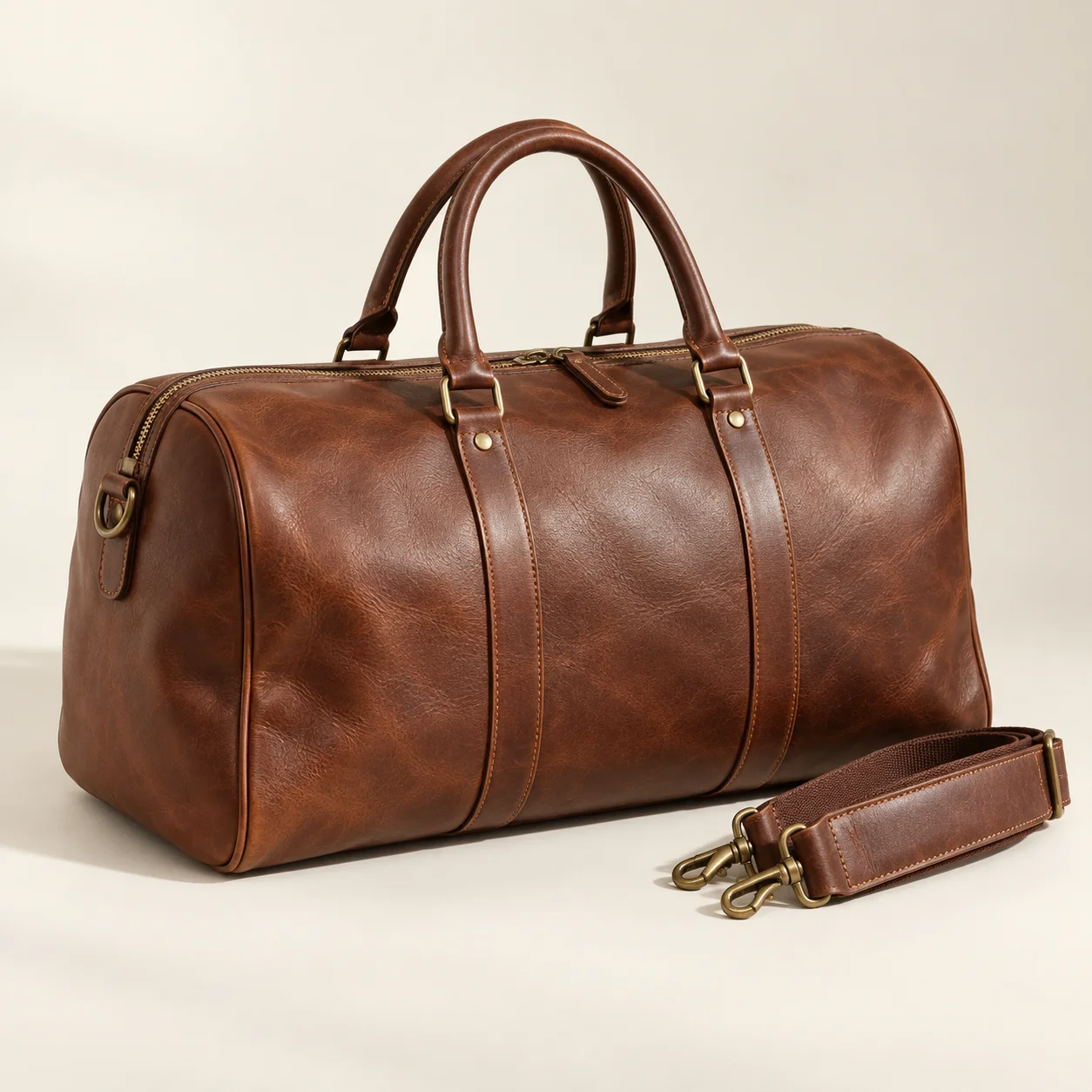
How to Protect Alligator Leather: The Ultimate Care Guide
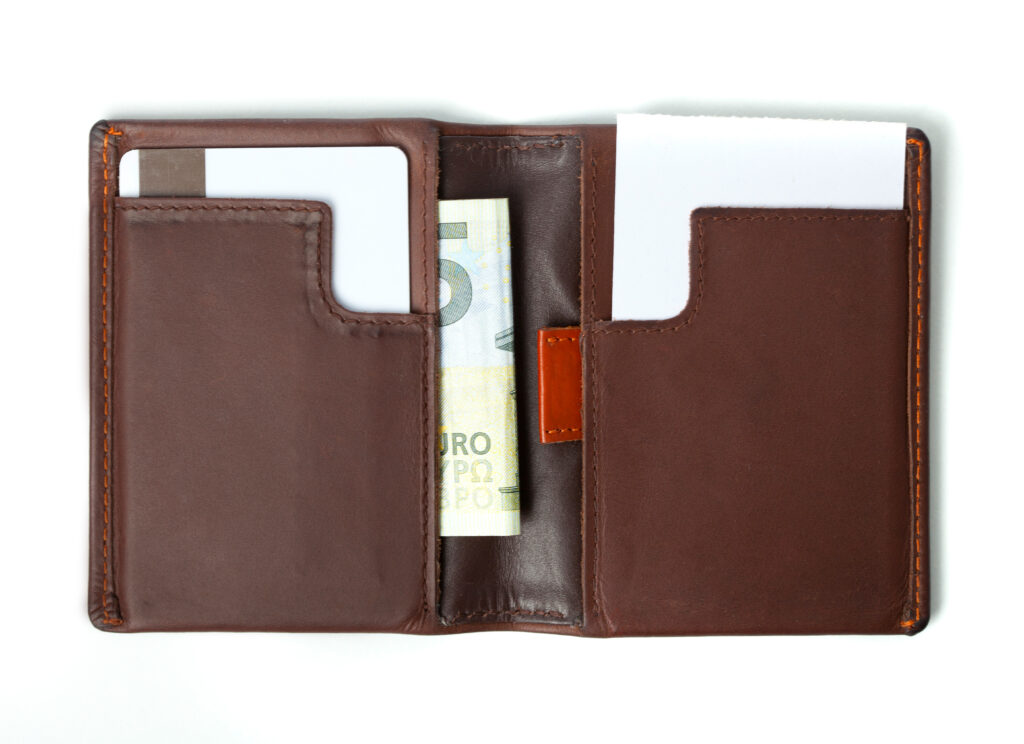
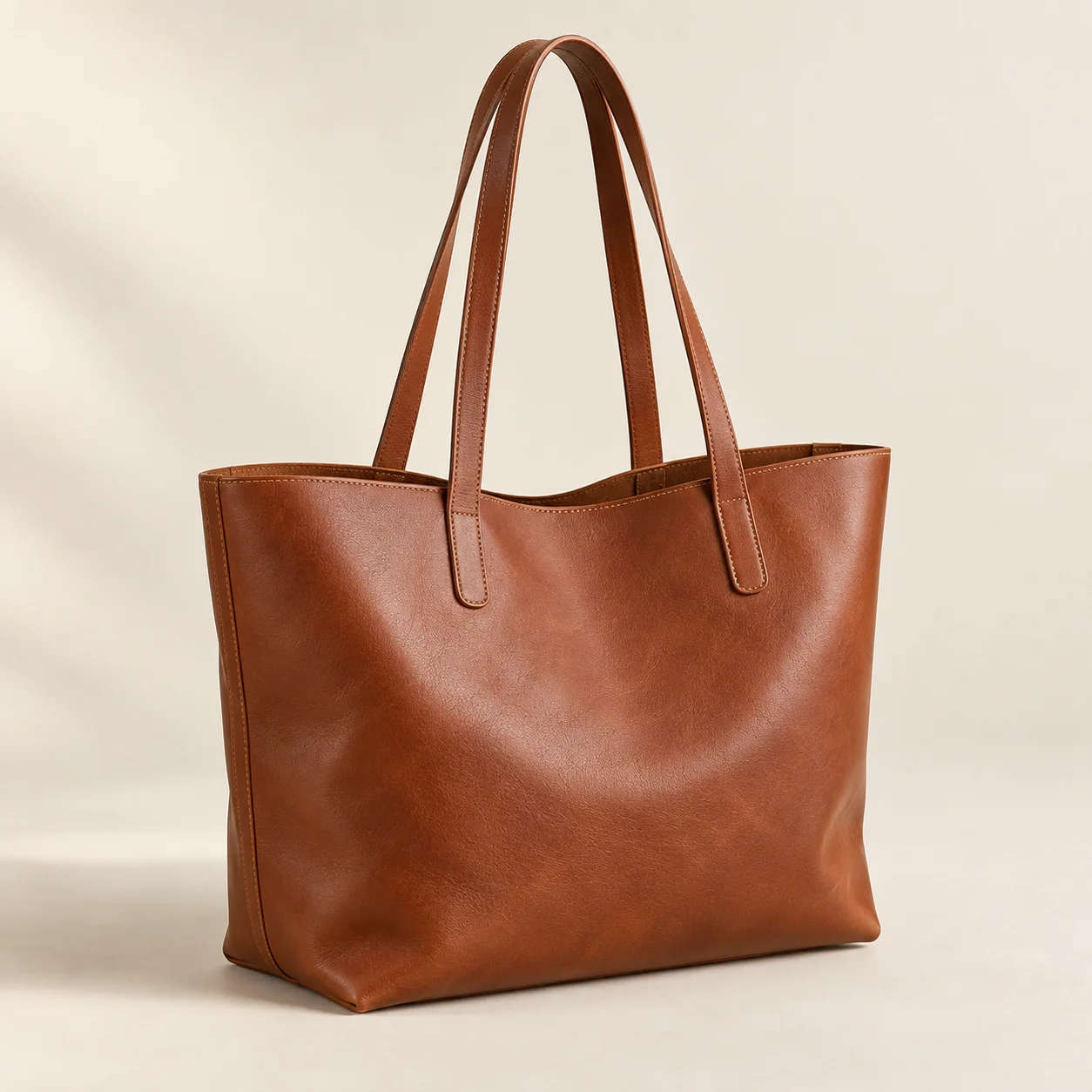
Alligator leather is prized for its unique texture, durability, and luxurious appeal. Whether you own a classic alligator wallet, a statement handbag, or a pair of custom boots, protecting your investment is crucial. While alligator skin is naturally...
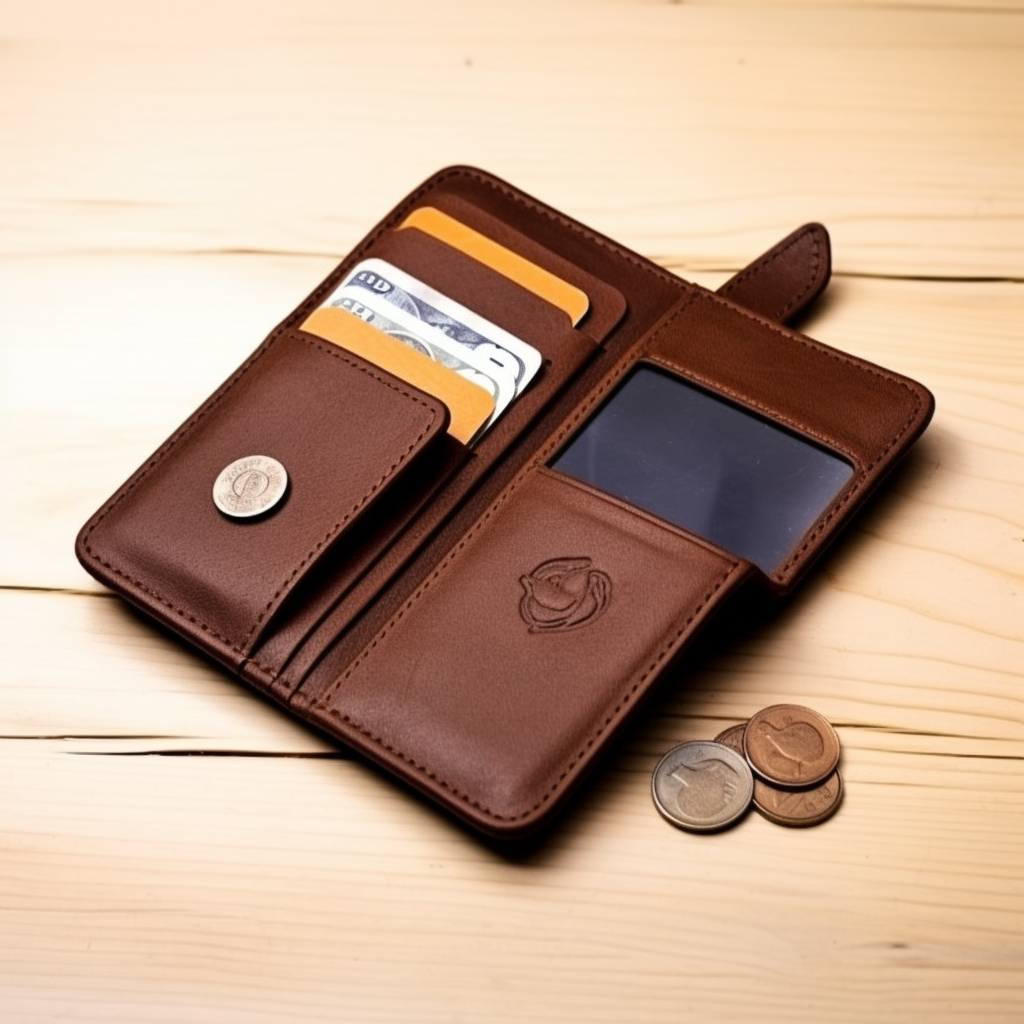
Alligator leather is prized for its unique texture, durability, and luxurious appeal. Whether you own a classic alligator wallet, a statement handbag, or a pair of custom boots, protecting your investment is crucial. While alligator skin is naturally tough—acting as armor in the wild—the tanning process that turns it into leather requires specific maintenance to keep it supple and crack-free.
In this guide, we’ll cover exactly how to protect alligator leather, the best cleaning methods, and the golden rules of storage to ensure your items last for generations.
The Golden Rules of Alligator Leather Care
To keep your alligator leather looking pristine, you must protect the finish and the fibers underneath. Unlike standard cowhide, exotic leathers are more sensitive to harsh elements.
1. Avoid Water and Excess Moisture
Water is the number one enemy of a fine leather finish. If your alligator wallet or bag gets wet:
- Do NOT rub: Rubbing can push water deeper into the pores or damage the finish.
- Blot gently: Use a soft, dry white cloth to absorb the moisture.
- Air dry only: Let it dry naturally in a cool, well-ventilated area. Never use a hair dryer or place it near a heater, as heat will dry out the natural oils and cause rapid cracking.
2. Condition Regularly
Just like human skin, alligator leather needs moisture to stay flexible. Without it, the fibers between the scales can become brittle and break.
- Frequency: For high-use items like wallets, condition once a month. For belts or bags used less frequently, a treatment twice a year is usually sufficient.
- Product Choice: Use a conditioner specifically designed for reptile or exotic leathers (such as Bickmore Exotic). Standard leather conditioners may be too heavy and can clog the pores or darken the finish.
- Patch Test: Always test the conditioner on a small, hidden area first and wait an hour to ensure it doesn't discolor the leather.
How to Clean Alligator Leather
Regular cleaning prevents dirt and oils from building up and dulling the shine. Here is the safest method to clean alligator leather:
- Dust Off: Use a soft, dry cotton cloth to gently wipe away surface dust and dirt. Pay attention to the grooves between the scales where dust likes to hide.
- Damp Wipe (If Needed): If there is stuck-on dirt, slightly dampen a soft cloth with plain water (distilled is best). Wring it out until it is barely moist and gently wipe the surface.
- Dry Immediately: Follow up with a dry cloth to remove any residual moisture.
- Condition: After cleaning, always apply a thin layer of exotic leather conditioner to replenish lost oils.

Proper Storage for Longevity
How you store your alligator leather is just as important as how you clean it.
- Cool and Dry: Store items in a climate-controlled environment. Avoid damp basements or hot attics.
- Use Dust Bags: Keep bags and wallets in breathable cloth dust bags. Avoid plastic bags, which trap moisture and can cause mold.
- Maintain Shape: For handbags and shoes, stuff them with acid-free tissue paper to help them hold their shape. Do not overstuff, as this can stretch the leather.
- Watch the Angles: Never fold an alligator belt tightly. Roll it loosely or hang it by the buckle to prevent cracking the finish.
Troubleshooting Common Issues
Stiff Leather: If your item feels stiff, it is crying out for hydration. Apply multiple thin coats of conditioner over several days, allowing each coat to absorb fully.
Dull Finish: A glazed finish can lose its shine over time. While conditioning helps, a professional re-glazing service might be needed for severe cases. Avoid "buffing" it hard yourself, as you might wear down the scale peaks.
Conclusion
Protecting alligator leather requires a delicate balance of gentle cleaning and consistent conditioning. By keeping it dry, cool, and well-nourished with the right products, you preserve the natural beauty and resilience that makes alligator skin so special. Treat it right, and it will remain a luxurious companion for a lifetime.
Next Up
Does alligator leather last?

Content director at ChicCuir, passionate about sharing the stories behind our craft.