Does Alligator Leather Last? The Ultimate Durability Guide
Discover the incredible durability of alligator leather. Learn why alligator wallets and bags can last 30-50 years, how to care for them, and what makes them a superior investment.
When investing in luxury goods, one question is paramount: does alligator leather last? The short answer is a resounding yes. Alligator leather is widely recognized as one of the most durable and resilient exotic leathers in the world, often outlasting standard cowhide by decades.
With proper care, a high-quality alligator wallet or bag can last anywhere from 30 to 50 years, often becoming a cherished heirloom passed down through generations. In this comprehensive guide, we explore the science behind its strength, the expected lifespan of different products, and how to ensure your investment stands the test of time.
The Science of Strength: Why Alligator Leather is Superior
The exceptional durability of alligator leather isn't just a marketing claim; it's biological fact. Alligators have evolved for millions of years with a tough, protective hide designed to withstand harsh environments and combat. This natural armor translates into several unique properties for leather goods:
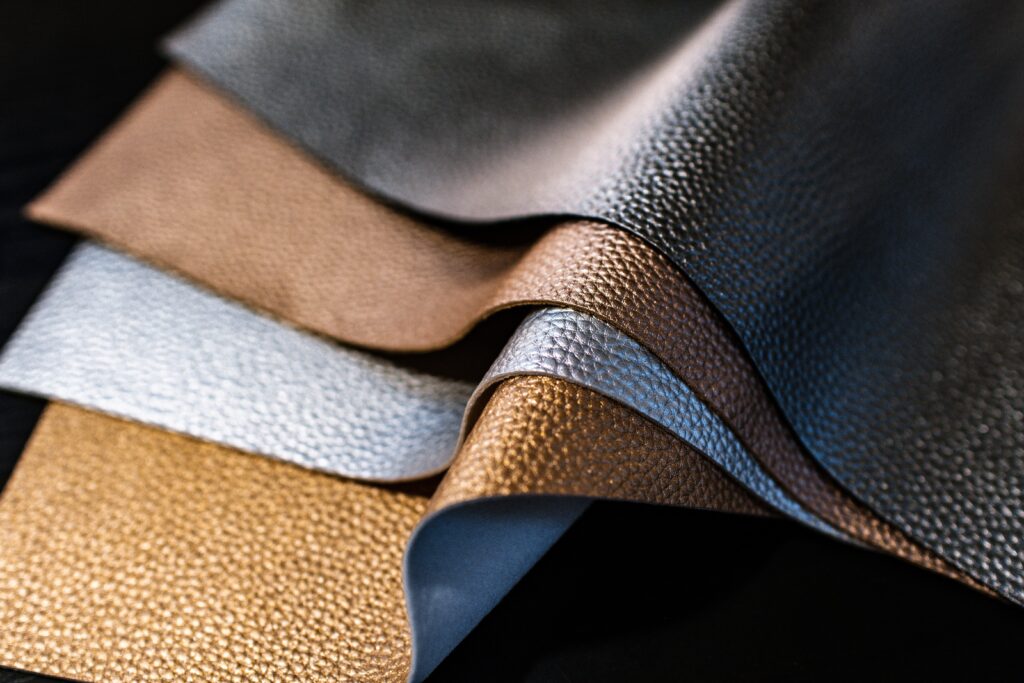
- Dense Fiber Structure: Alligator skin is composed of a tight network of collagen fibers—approximately 2,800 to 3,200 fibers per square millimeter. Compare this to standard calfskin, which has about 900 to 1,100. This incredible density gives it superior resistance to wear, tearing, and stretching.
- Osteoderms (Natural Armor): Many alligator hides contain osteoderms, which are bony deposits embedded in the skin. These create a natural shield against scratches and abrasions.
- High Tensile Strength: Alligator leather boasts a tensile strength range of 35-42 MPa, nearly double that of standard calfskin (18-25 MPa). This means it is far less likely to deform under stress, making it ideal for items that see daily use like wallets and belts.
Real-World Lifespan: What to Expect
While the material is inherently tough, the actual lifespan of your alligator leather product depends on how it is used. Here is a realistic breakdown:
💰 Wallets & Billfolds
Lifespan: 10 - 50+ Years
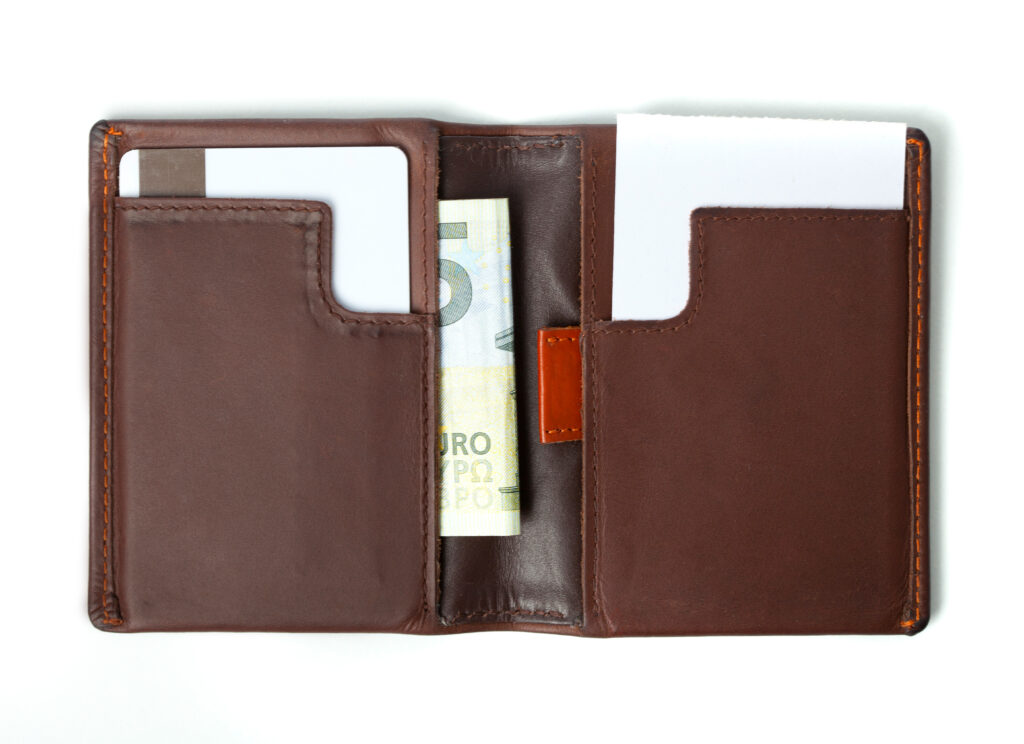
A well-made alligator wallet is a lifetime companion. With daily use and basic care, you can expect 5-8 years before seeing significant wear. With careful rotation and conditioning, it can easily last 30+ years.
⌚ Watch Straps
Lifespan: 3 - 8 Years
Watch straps face the harshest conditions: constant flexing, sweat, and skin oils. While an alligator strap will outlast a standard leather one, it typically needs replacement sooner than a wallet due to hygiene and structural fatigue.
👜 Bags & Briefcases
Lifespan: 40+ Years (Heirloom Quality)
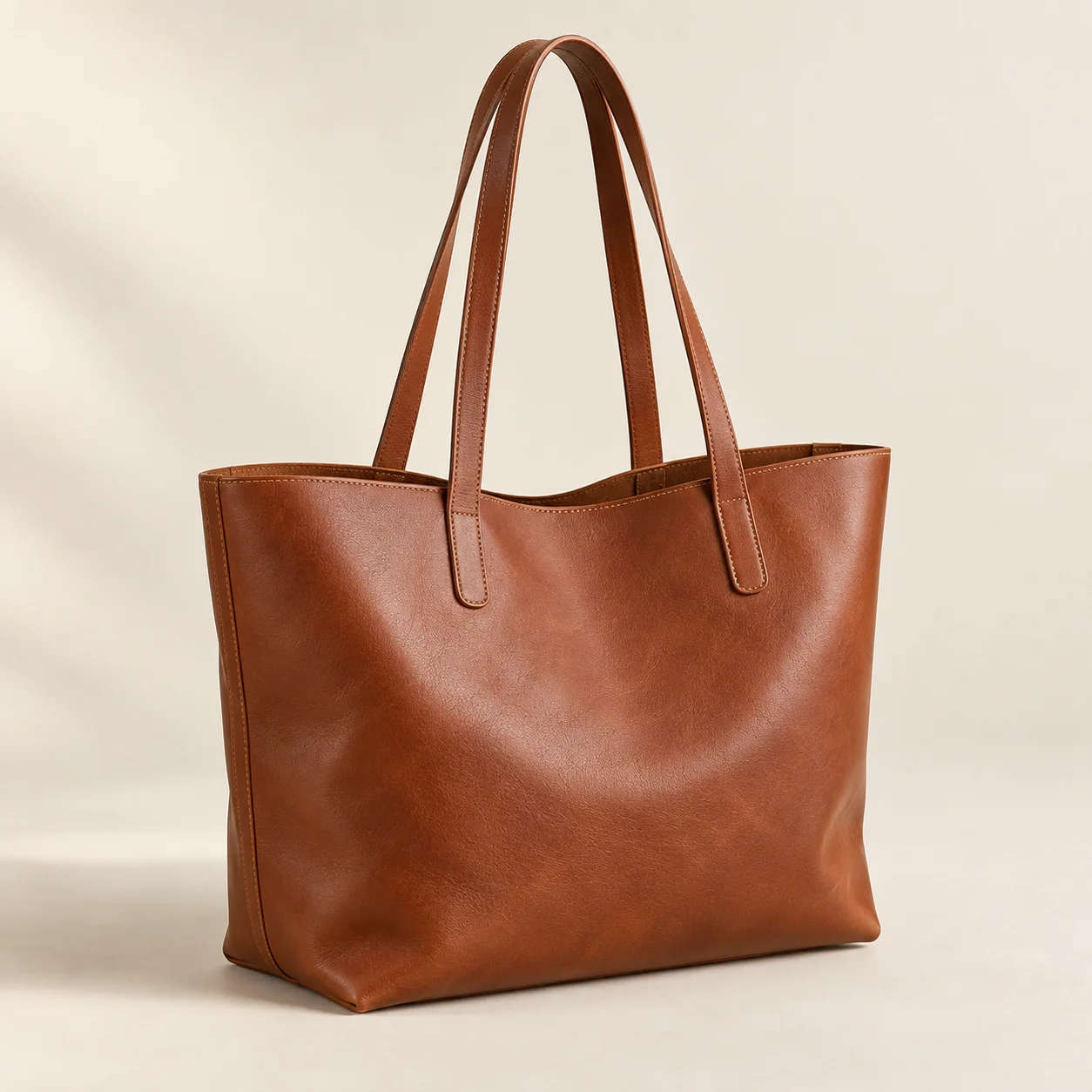
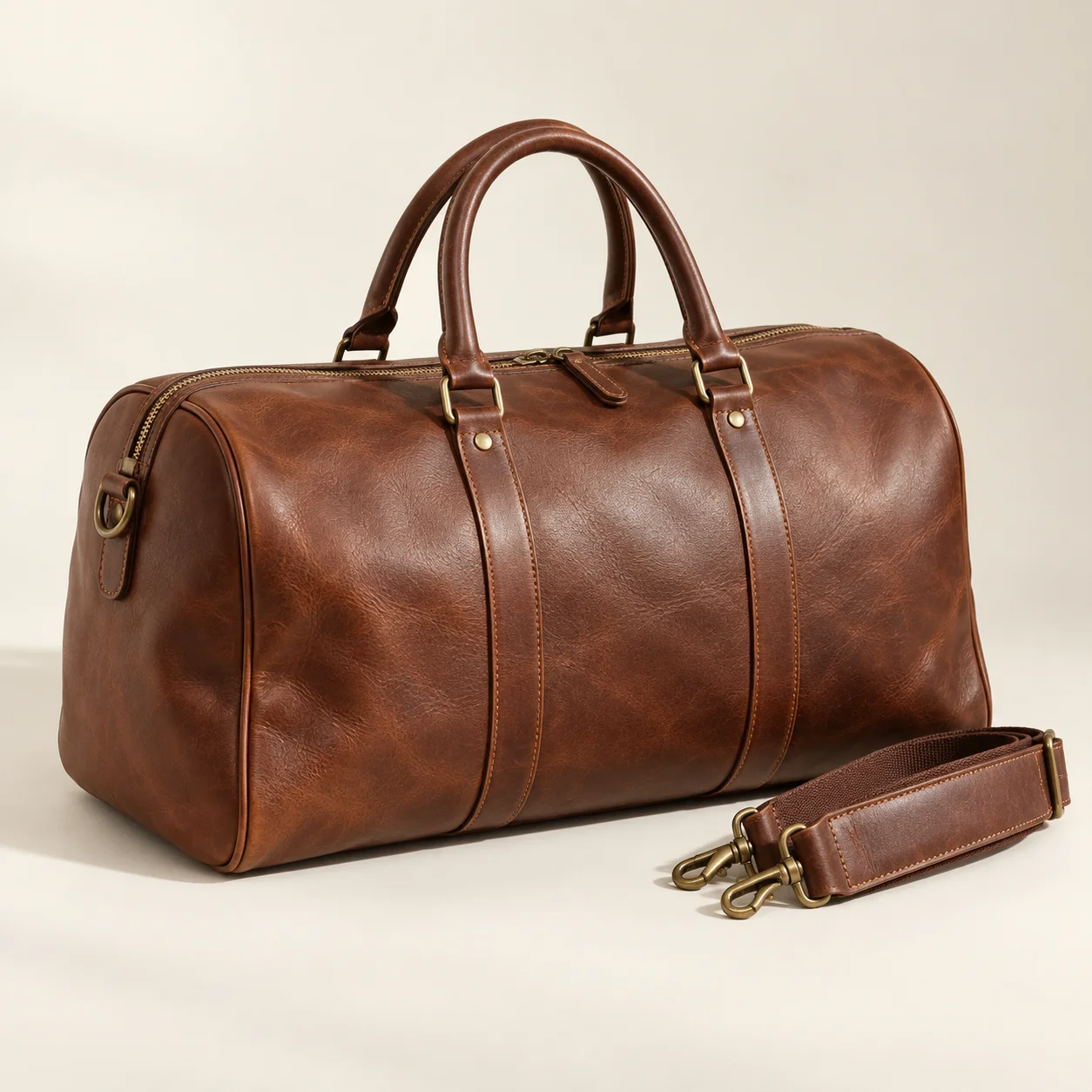
Bags generally experience less direct friction than pockets or wrists. A high-quality alligator handbag or briefcase, stored properly, is almost certain to become a vintage heirloom.
Construction Quality: The Hidden Factor
It's important to note that a product is only as durable as its weakest link. Even the best alligator skin won't save a poorly constructed wallet. When shopping, look for these indicators of quality:
- Stitching Material: High-end manufacturers use bonded nylon or polyester thread rather than cotton, which can rot over time.
- Saddle Stitching: Hand-stitched items (saddle stitch) are superior because if one loop breaks, the rest of the stitching holds firm. Machine lock-stitching can unravel completely if broken.
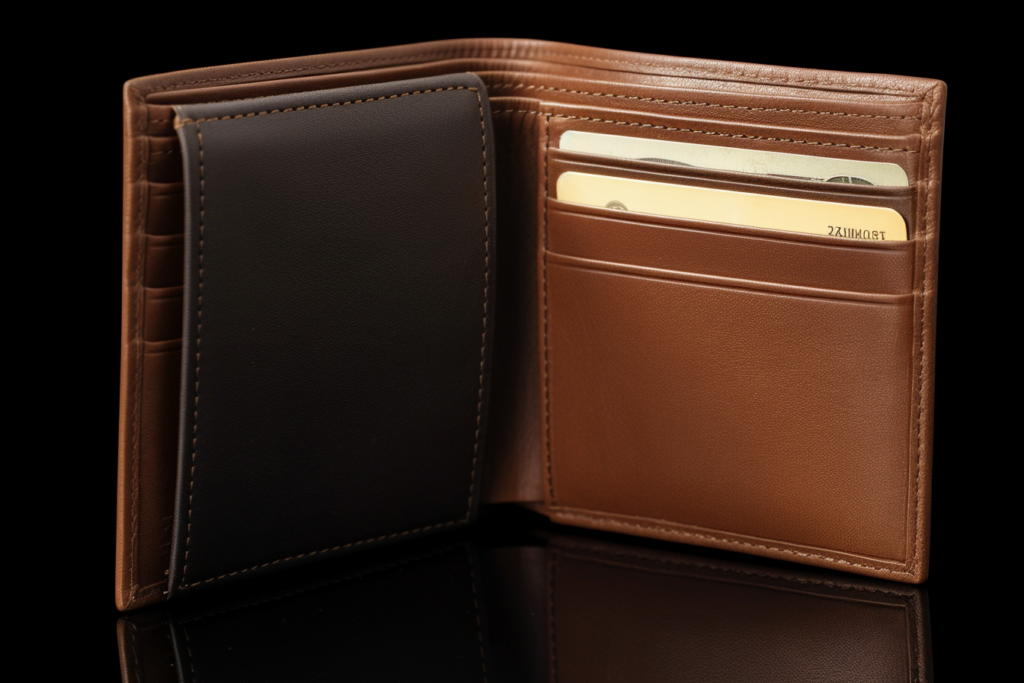
- Lining Quality: A cheap fabric lining will tear long before the alligator skin wears out. Look for wallets lined with high-quality leather like Chevre (goat) or calfskin for maximum longevity.
- Edge Finishing: Edges should be smoothly painted and sealed to prevent peeling or moisture ingress.
3 Factors That Can Shorten Lifespan
Despite its toughness, alligator leather is not invincible. Three main factors can compromise its longevity:
- Poor Tanning: The tanning process is critical. Expert tanning locks in natural oils and preserves flexibility. A poor job leaves the leather brittle and prone to cracking, regardless of the raw hide's quality.
- Environmental Exposure: Extreme conditions are the enemy. Excessive moisture can lead to mold and warping, while direct sunlight and dry heat can evaporate oils, causing the scales to lift and crack.
- Physical Stress: Overstuffing a wallet or folding a belt too tightly can permanently warp the shape and stress the fibers, leading to cracks between the scales.
How to Maximize Durability
To ensure your alligator leather reaches its full potential, follow these simple care tips:
- Condition Regularly: Use a conditioner specifically formulated for reptile or exotic leathers (like Saphir Reptan or Bickmore Exotic). Apply it every few months to keep the fibers supple and prevent cracking between scales.
- Avoid Water: Alligator leather is water-resistant but not waterproof. If it gets wet, blot it gently with a soft cloth and let it air dry away from heat sources.
- Proper Storage: Store items in a cool, dry place. Use dust bags for purses and wallets to allow the leather to breathe, and never store them in plastic.
Conclusion: Is It Worth the Investment?
So, is an alligator wallet durable? Absolutely. While the upfront cost is higher than standard leather, the longevity and timeless appeal make it a smart investment. You are paying for a material that combines the rugged resilience of a prehistoric predator with the refined elegance of modern luxury. Chosen wisely and cared for properly, an alligator leather product is not just a purchase—it's a legacy.
Next Up
How do you protect Alligator leather?
Why are alligator wallets so expensive?

Senior leather care specialist at ChicCuir with 15 years of experience in heritage leather restoration.