How Do You Protect Alligator Leather? Essential Care Guide
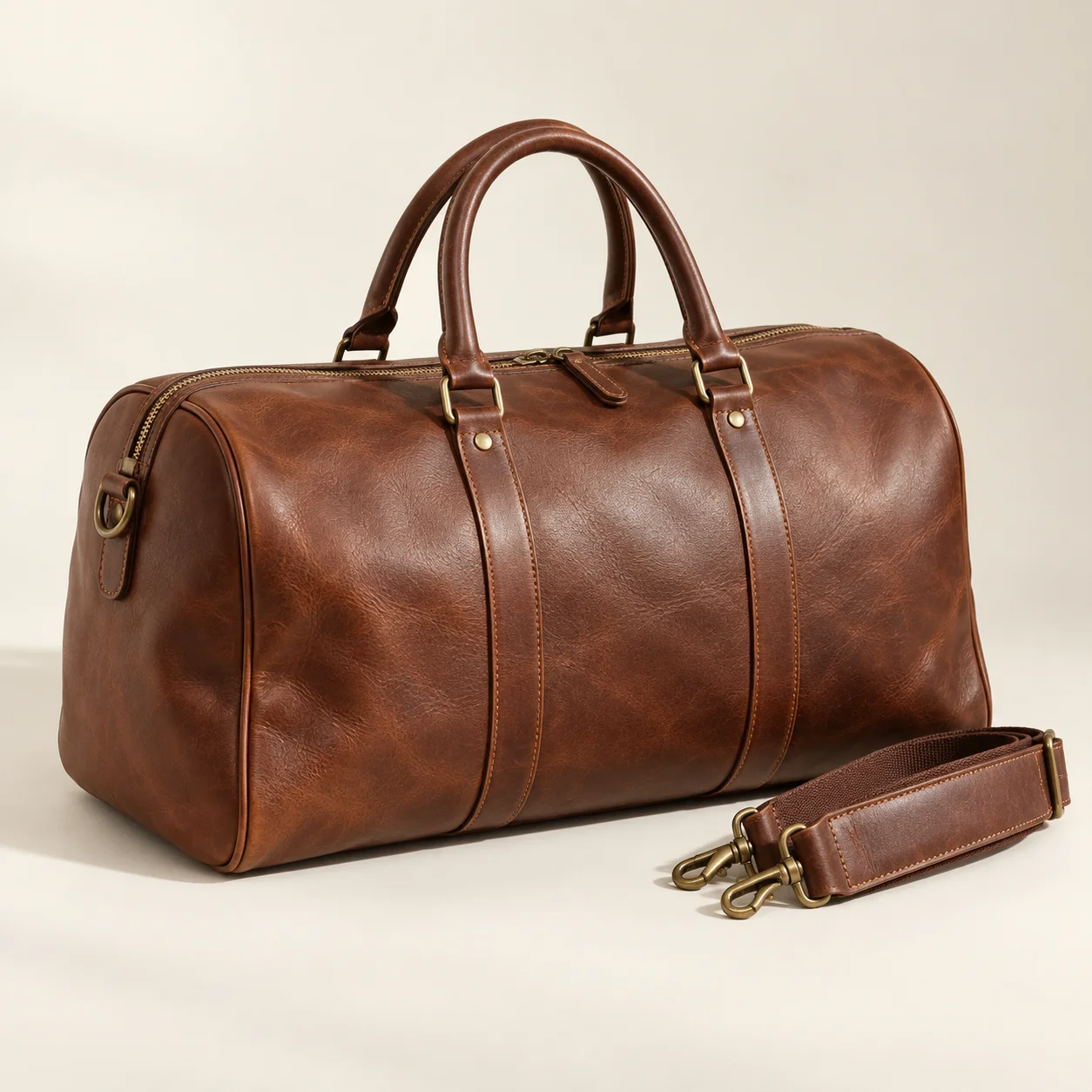
Alligator leather is one of the most prestigious and durable exotic materials in the world. Whether you own a wallet, handbag, belt, or watch strap, protecting your investment is crucial. Unlike standard cowhide, alligator skin lacks high natural oil...
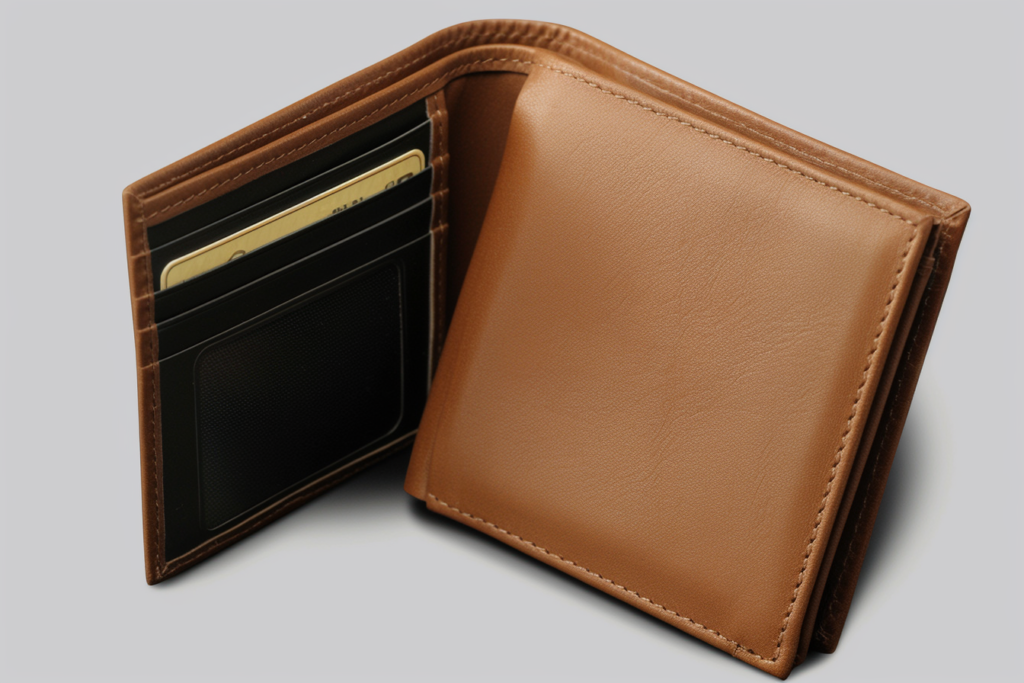
Alligator leather is one of the most prestigious and durable exotic materials in the world. Whether you own a wallet, handbag, belt, or watch strap, protecting your investment is crucial. Unlike standard cowhide, alligator skin lacks high natural oil content, making it susceptible to drying out and cracking if not properly maintained.
The good news? With the right care routine, your alligator leather goods can last for decades, developing a beautiful patina over time. In this guide, we’ll cover exactly how to protect alligator leather, from cleaning and conditioning to proper storage.

1. The Golden Rule: Conditioning
The single most important step in alligator leather care is conditioning. Because the tanning process removes natural moisture, you must replenish it to keep the scales flexible and prevent them from lifting or cracking.
- How often: For high-use items like wallets or watch straps, condition once a month. For belts and bags, every 3 to 6 months is usually sufficient.
- Application: Apply a small amount to a soft, white cotton cloth (never directly on the leather) and gently massage it into the skin in the direction of the scales.
- Absorption: Let the conditioner sit for 15-20 minutes to penetrate the fibers. Buff off any excess immediately with a clean dry cloth.
2. Cleaning Alligator Leather
Dirt and dust can settle between the scales, acting like sandpaper that wears down the finish. Regular cleaning is essential, but it must be done carefully.
The Dos:
- Do use a clean, dry, soft cotton cloth to wipe down the item after use.
- Do gently brush in the direction of the scales to remove dust from the crevices.
- Do use a specialized exotic leather cleaner if a deeper clean is needed.
The Don'ts:
- Don't use water, soap, or household cleaners. Water can stain the leather and cause the scales to bubble.
- Don't use alcohol, ammonia, or acetone. These will strip the finish instantly and ruin the leather.
- Don't scrub vigorously. You risk damaging the delicate membrane between the scales.
3. Proper Storage
How you store your items when you aren't using them is just as important as how you wear them.
- Cool and Dry: Store alligator leather in a temperature-controlled environment. Excess humidity can lead to mold, while extreme dryness causes cracking.
- Avoid Sunlight: UV rays are the enemy of exotic leather. Prolonged exposure to direct sunlight will fade the dye and dry out the fibers.
- Maintain Shape: Stuff handbags with acid-free tissue paper or bubble wrap to prevent sagging. Never store them in plastic bags; use a breathable dust bag instead.
- Belts: Hang alligator belts by the buckle or roll them loosely. Never fold them tightly, as this can cause the scales to crack at the fold points.
4. Water Damage Control
Despite being aquatic animals, processed alligator leather is not waterproof. If your item gets wet:
- Blot (do not rub) the excess water immediately with a clean, dry absorbent cloth.
- Allow it to air dry naturally away from heat sources. Never use a hair dryer or place it on a radiator, as rapid heating will cause the skin to shrink and warp.
- Once dry, apply a conditioner to restore the lost moisture.
Troubleshooting Common Issues
Even with the best care, issues can arise. Here is how to handle them:
- Stiff Leather: If your wallet or belt feels stiff, it is dehydrated. Apply multiple thin coats of conditioner over several days, allowing each coat to fully absorb.
- Dull Finish: Glazed alligator leather can lose its shine. While conditioning helps, avoid vigorous buffing which can wear down the scales. For severe dullness, professional re-glazing is recommended.
Conclusion
Protecting alligator leather doesn't require a professional, just consistency. By keeping it clean, conditioned, and properly stored, you preserve the natural beauty and resilience that makes alligator leather so valuable. Remember, once alligator skin cracks, it cannot be repaired, so prevention is the best policy.
With these simple care tips, your alligator wallet, bag, or belt will remain a stunning statement piece for generations.
Next Up
Is alligator leather illegal?
Does alligator leather last?

Fashion editor and style consultant specialising in leather accessories and professional wardrobe building.