What Are the Unique Characteristics of Bison Leather?
Bison leather, often referred to as American buffalo leather, has surged in popularity among leather enthusiasts and artisans alike. Known for its rugged beauty and exceptional performance, it stands out in a market dominated by traditional cowhide....
Bison leather, often referred to as American buffalo leather, has surged in popularity among leather enthusiasts and artisans alike. Known for its rugged beauty and exceptional performance, it stands out in a market dominated by traditional cowhide. But what exactly makes it so special?
The unique characteristics of bison leather lie in its combination of extreme durability, distinct aesthetic texture, and surprising softness. From its deep, pebbled grain to its strength that surpasses cow leather by up to 40%, bison leather is a material that marries form and function perfectly. In this guide, we explore the defining properties of bison leather and why it might just be the best choice for your next wallet, bag, or pair of boots.
1. The Signature Grain Pattern
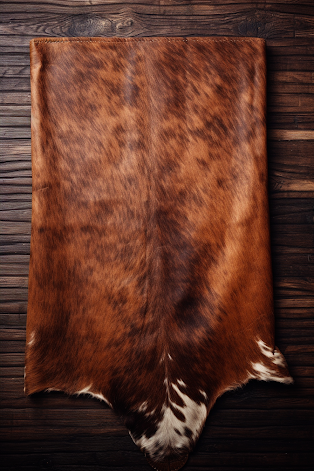
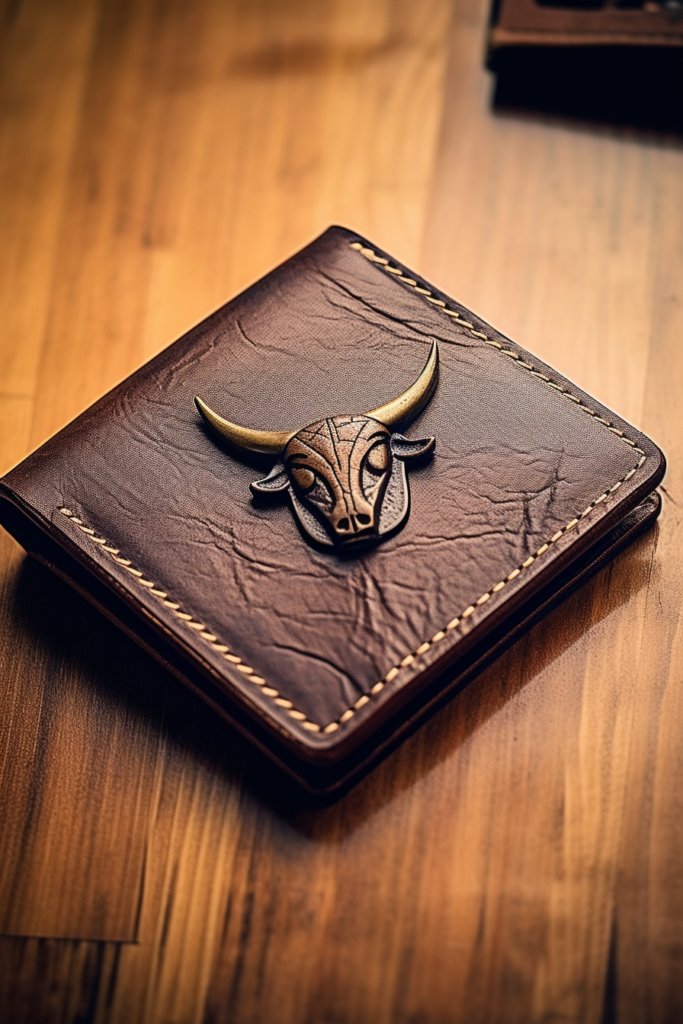
The most immediately recognizable characteristic of bison leather is its texture. Unlike the relatively smooth and uniform surface of cowhide, bison leather features a deep, natural pebbled grain. This grain is not stamped or artificial; it is the inherent structure of the bison's hide.
Because bison are large, free-roaming animals that endure harsh weather conditions, their hides develop a thick, coarse texture. The grain size can vary significantly across the hide, offering a range of aesthetic options from tight, small pebbles to large, bold valleys. This ensures that no two bison leather products look exactly the same, giving every item a one-of-a-kind appeal.
2. Unmatched Strength and Durability
Is bison leather durable? The answer is a resounding yes. In fact, bison leather is widely cited as being approximately 40% stronger than cow leather. This superior strength is due to the density of the fibers in the bison's hide.
The collagen fibers in bison skin are thicker and more widely spaced but interwoven more chaotically and densely than in cattle. This structure provides exceptional tensile strength and resistance to tearing, stretching, and ripping. For this reason, bison leather is a preferred material for heavy-duty goods such as motorcycle gear, work boots, and high-quality belts that need to withstand years of abuse without failing.
3. Surprising Softness and Pliability
One might expect such a strong and thick leather to be stiff or rigid, but bison leather defies this expectation. It is renowned for being incredibly soft and pliable right out of the tanning process.
While it retains its shape well, it does not require the painful "break-in" period associated with thick cowhide leathers. The natural oils present in the hide contribute to this suppleness, allowing the leather to mold to the user's body or usage patterns relatively quickly. A bison leather wallet, for instance, will feel comfortable in your pocket from day one.
4. Bison Leather vs. Cow Leather
To truly understand the unique properties of bison leather, it helps to compare it to the industry standard: cow leather.
- Thickness: Bison hides are generally thicker than cow hides, contributing to their robustness.
- Grain: Cow leather usually has a smoother, flatter grain, whereas bison leather has a three-dimensional, pebbled texture.
- Strength: As mentioned, bison leather is significantly stronger and more resistant to stretching.
- Processing: Bison hides are often not stretched as much during the tanning process as cow hides are. This lack of stretching preserves the natural grain pattern and density of the fibers.
5. Developing a Patina
Like all high-quality full-grain leathers, bison leather develops a rich patina over time. As you handle the leather, it absorbs oils from your skin and the environment, causing the color to deepen and the surface to take on a subtle sheen.
Because of its pronounced grain, the patina on bison leather often develops with beautiful contrast. The "peaks" of the pebbles may polish to a shine, while the "valleys" retain their matte finish and original color, creating a depth of character that only improves with age.
6. Natural Imperfections
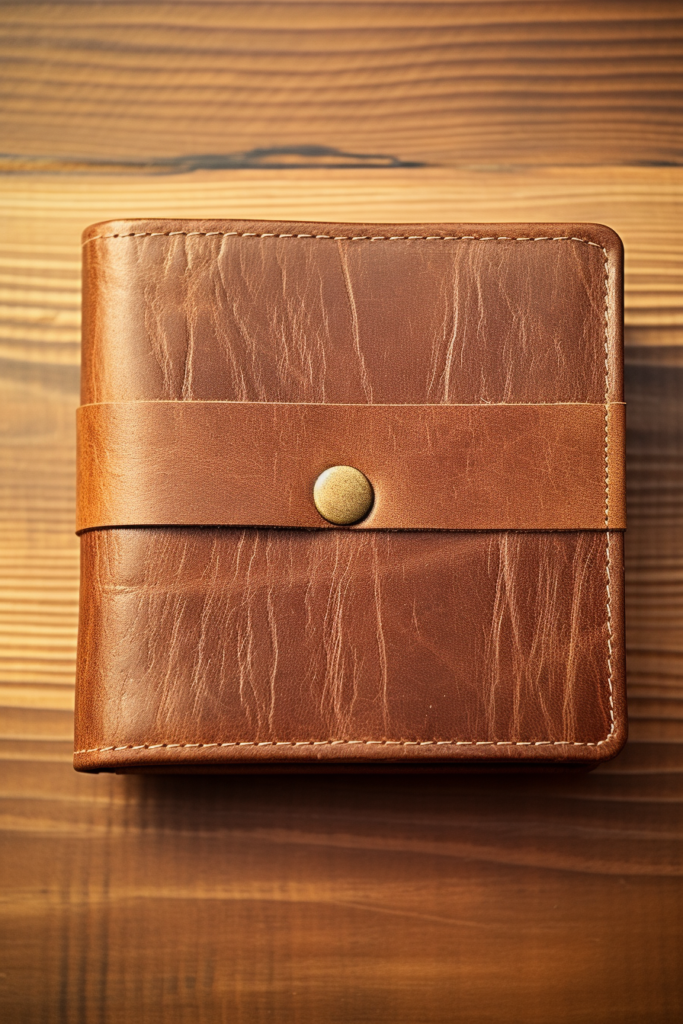
Bison are not raised in the same controlled environments as dairy cows. They graze on open ranges and often rub against trees, rocks, and fences. As a result, bison hides frequently bear the marks of their life in the wild.
Scars, insect bites, and scratches are common and are often preserved during the tanning process rather than sanded away. Far from being defects, these natural imperfections are celebrated as marks of authenticity. They prove that the leather is real, full-grain, and has a history.
Conclusion
The unique characteristics of bison leather—its incredible strength, distinct pebbled texture, and immediate softness—make it a premium choice for anyone looking for durability without sacrificing comfort. Whether you are choosing a wallet, a bag, or boots, opting for bison leather means investing in a material that is built to last and designed to look better with every passing year.
Next Up
What color is bison leather?
What are the qualities of bison leather?

Content director at ChicCuir, passionate about sharing the stories behind our craft.