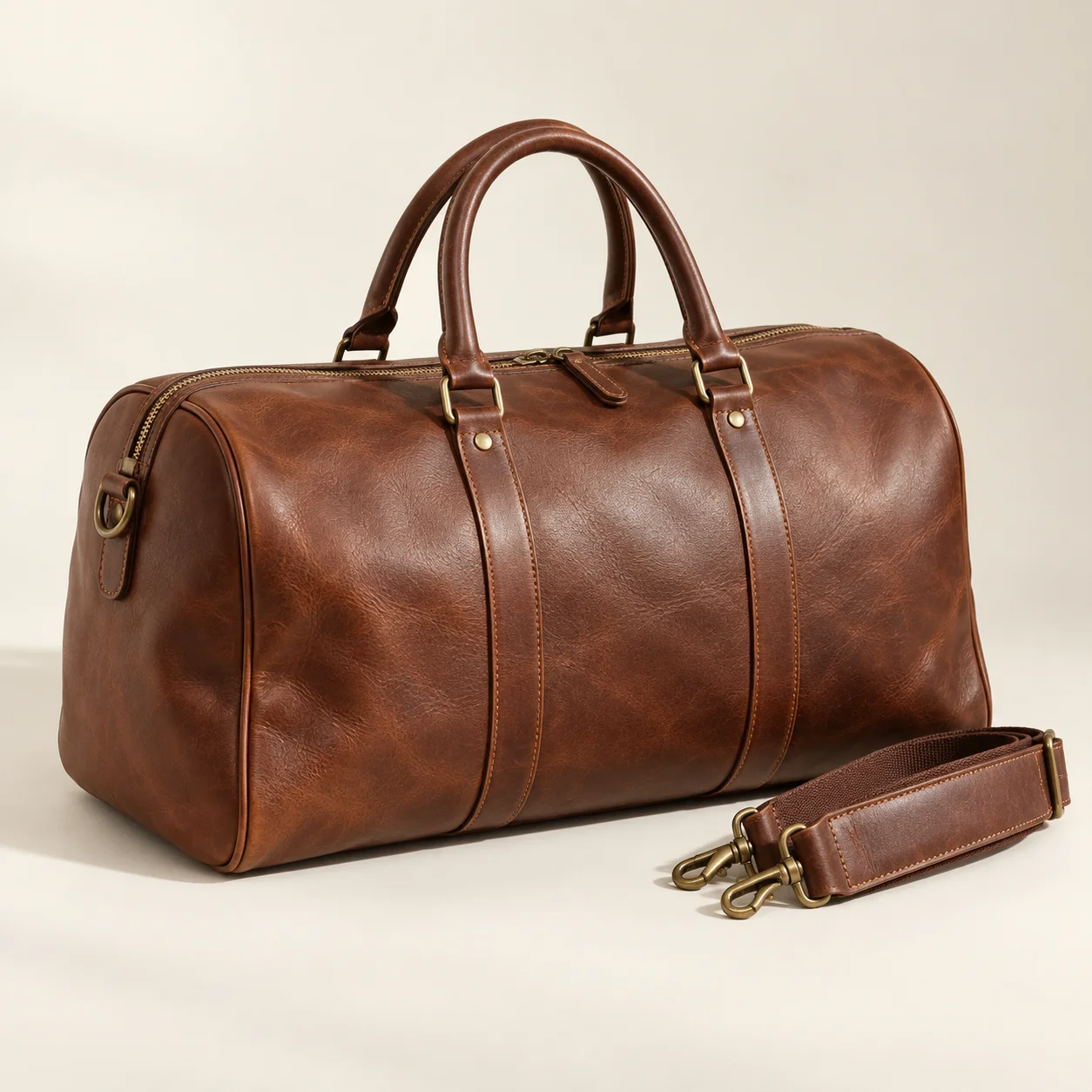
What is a Hand-Stitched Leather Wallet and Why is it Special?
Discover why a hand-stitched leather wallet is considered special. Learn the differences between handmade vs machine-stitched wallets, the benefits of saddle stitching, and why they are a worthy investment.
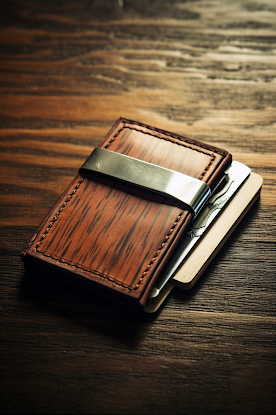
In a world dominated by mass-produced accessories, there is something undeniably captivating about a hand-stitched leather wallet. It isn't just a container for your cash and cards; it is a testament to patience, skill, and enduring quality. But what exactly makes these handcrafted pieces so different from the standard wallets found in department stores?
The secret lies in the construction. While they may look similar at a glance, the difference between a handmade wallet and a machine-made one is vast—affecting everything from durability to aesthetics. Let's explore what makes a hand-stitched leather wallet special and why it might just be the last wallet you ever need to buy.
What is a Hand-Stitched Leather Wallet?
A hand-stitched leather wallet is crafted by an artisan who sews the pieces of leather together manually, without the use of a sewing machine. This process is deliberate and time-consuming. The artisan punches holes into the leather using specialized tools like pricking irons or awls, and then weaves the thread through these holes by hand.
The most common and revered technique used in this process is called saddle stitching. This method is the gold standard in leatherworking and is the primary reason why handmade leather wallets are so highly prized.
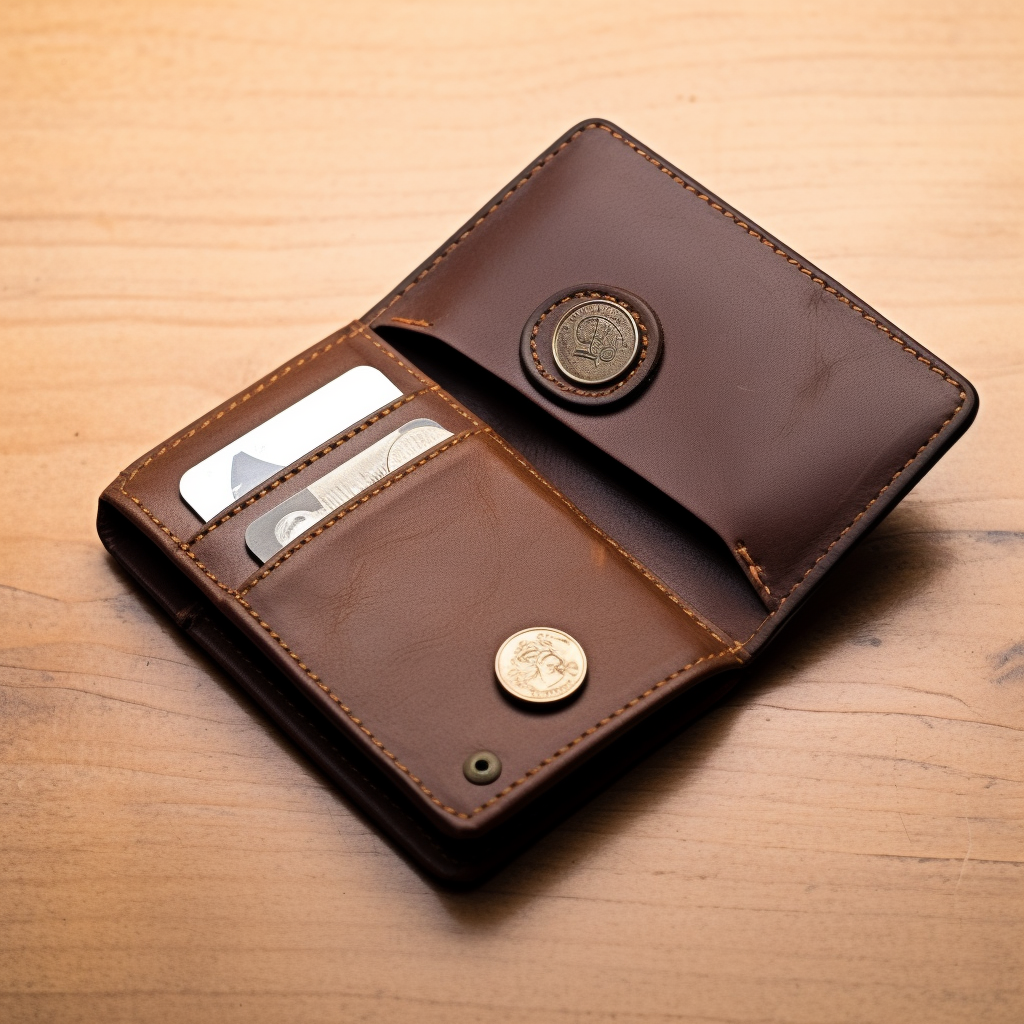
Hand-Stitched vs. Machine-Stitched Leather Wallets
To understand the value of a hand-stitched wallet, you have to compare it to its machine-stitched counterpart. The battle of handmade leather wallet vs. machine made comes down to one critical factor: the stitch mechanics.
1. The Lock Stitch (Machine)
Sewing machines use a technique called the "lock stitch." Two separate threads—a top thread and a bobbin thread—meet in the middle of the leather layers and hook around each other. While this is efficient for mass production, it has a fatal flaw. If a single loop of the thread breaks (due to abrasion or age), the entire line of stitching can unravel. The "lock" is broken, and your wallet falls apart.
2. The Saddle Stitch (Hand)
In contrast, a hand-stitched wallet uses a "saddle stitch." Here, a single long thread (often with a needle at each end) creates a figure-eight pattern, passing completely through the leather from both sides. If one stitch breaks, the thread on the other side remains intact, holding the leather together. The stitch does not unravel. This structural superiority is why saddle-stitched gear is used for horse saddles—it simply cannot fail under pressure.
Why Are Handmade Leather Wallets Considered Special?
Beyond the stitching mechanics, there are several reasons why benefits of hand-stitched leather wallets resonate with enthusiasts and collectors alike.
Superior Materials
Artisans who spend hours hand-stitching a wallet aren't going to waste their time on cheap, bonded, or "genuine" leather. They almost exclusively use full-grain leather. This is the highest quality grade, comprising the dense, durable top layer of the hide. It retains natural markings and, unlike processed leather, develops a beautiful patina over time.
Meticulous Attention to Detail
Mass production is about speed; handcrafting is about perfection. A hand-stitched wallet often features details machines can't replicate:
- Burnished Edges: The edges of the leather are sanded, beveled, and polished with wax or gum tragacanth until they are smooth and sealed, preventing fraying.
- Thread Quality: Hand stitching often uses thicker, waxed linen or polyester threads that are more robust and visually distinct than thin machine thread.
- Clean Finishes: You won't find loose threads or messy glue residue. Every aspect is inspected by the maker.
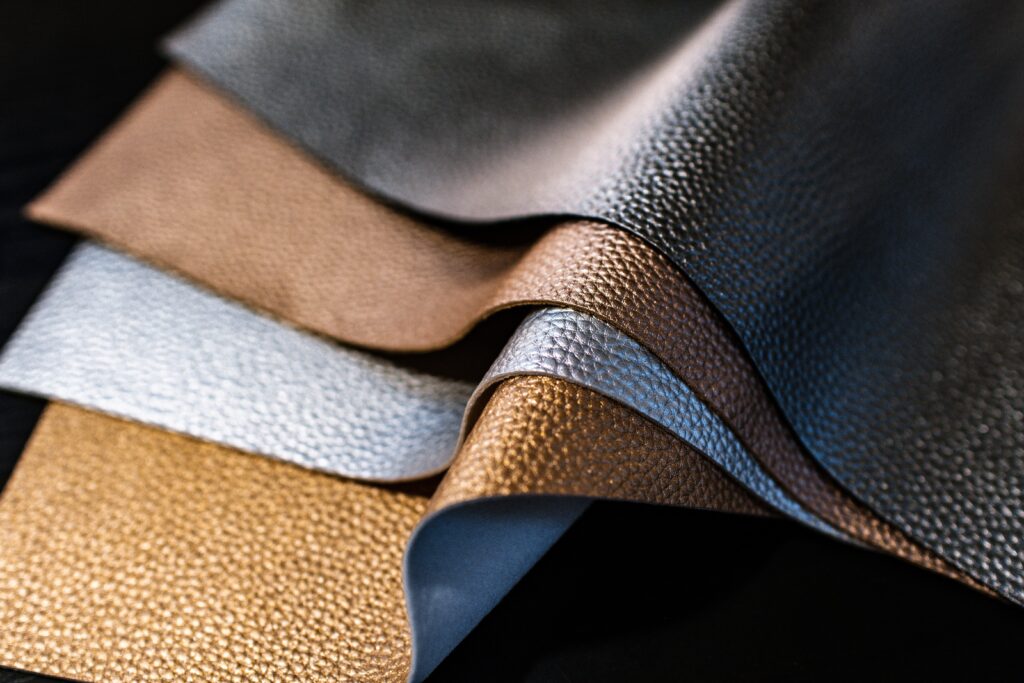
Unique Character and Soul
There is an intangible quality to a handmade item. No two hand-stitched wallets are exactly alike. The slight variations in the stitch tension, the grain of the specific leather cut, and the maker's mark all contribute to a unique personality. Owning one connects you to the artisan's story and the heritage of the craft.
Is a Hand-Stitched Wallet Worth the Investment?
Hand-stitched leather wallets typically come with a higher price tag than department store brands. Is it worth it? If you value longevity and aging, the answer is a resounding yes.
A cheap wallet might cost $30 and need replacing every year or two as the stitching frays and the faux leather cracks. A high-quality hand-stitched wallet might cost $100 or more, but it can easily last decades. As it ages, the full-grain leather will soften and darken, telling the story of your life through its patina. It stops being a disposable commodity and becomes an heirloom.
Conclusion
A hand-stitched leather wallet is special because it represents a rejection of the disposable culture. It prioritizes durability over speed and character over uniformity. When you choose a handmade wallet, you are investing in a piece of functional art—one built to carry your daily essentials securely for a lifetime.
So, the next time you are in the market for a new wallet, look closely at the stitching. If you see the distinct, angled elegance of a saddle stitch, you know you're holding something truly special.

Fashion editor and style consultant specialising in leather accessories and professional wardrobe building.