What material is used in coin purses?
Quick Answer: Coin purses are most commonly made from leather (including cowhide, sheepskin, and exotic leathers) due to its durability and flexibility. However, modern coin purses also utilize materials like canvas, nylon, silicone, metal, and micro...
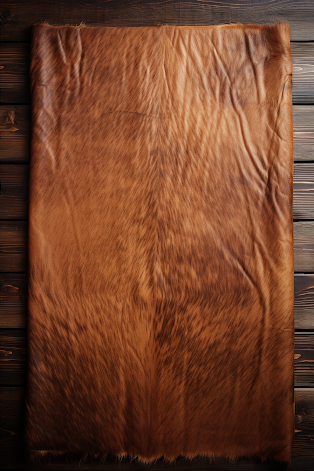
Quick Answer: Coin purses are most commonly made from leather (including cowhide, sheepskin, and exotic leathers) due to its durability and flexibility. However, modern coin purses also utilize materials like canvas, nylon, silicone, metal, and microfiber to offer lightweight, waterproof, or vegan alternatives.
When selecting a coin purse, the material is the most critical factor determining its longevity, style, and functionality. While the concept of a small pouch for currency dates back to ancient times, the materials used to construct them have evolved significantly. From the primitive animal bladders of our ancestors to the high-tech RFID-blocking metals of today, the variety of options available can be overwhelming.
This guide explores the most popular materials used in coin purses today, helping you decide which one best suits your lifestyle and needs.
1. Leather: The Classic Choice
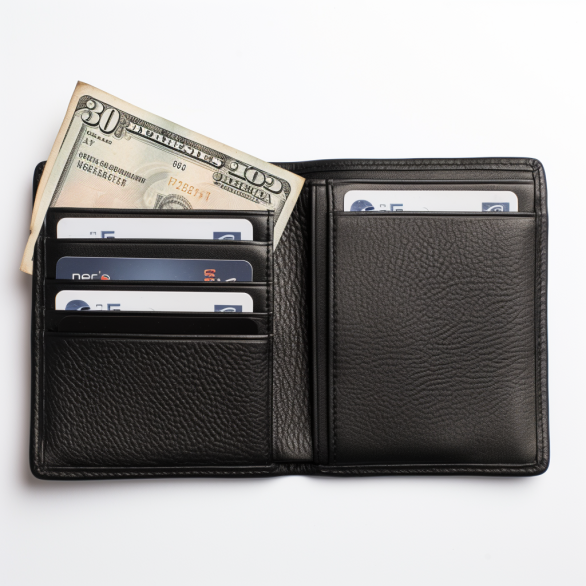
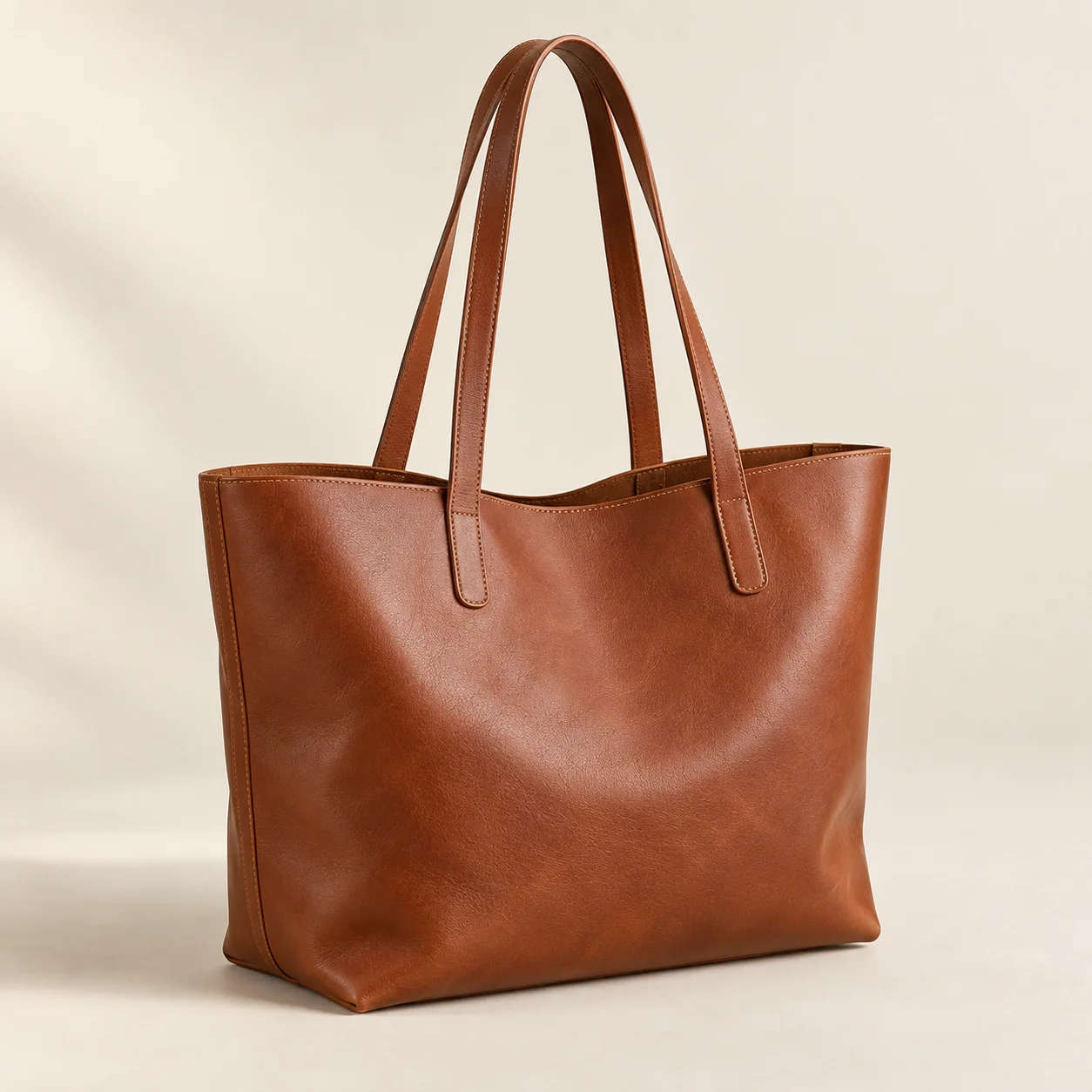
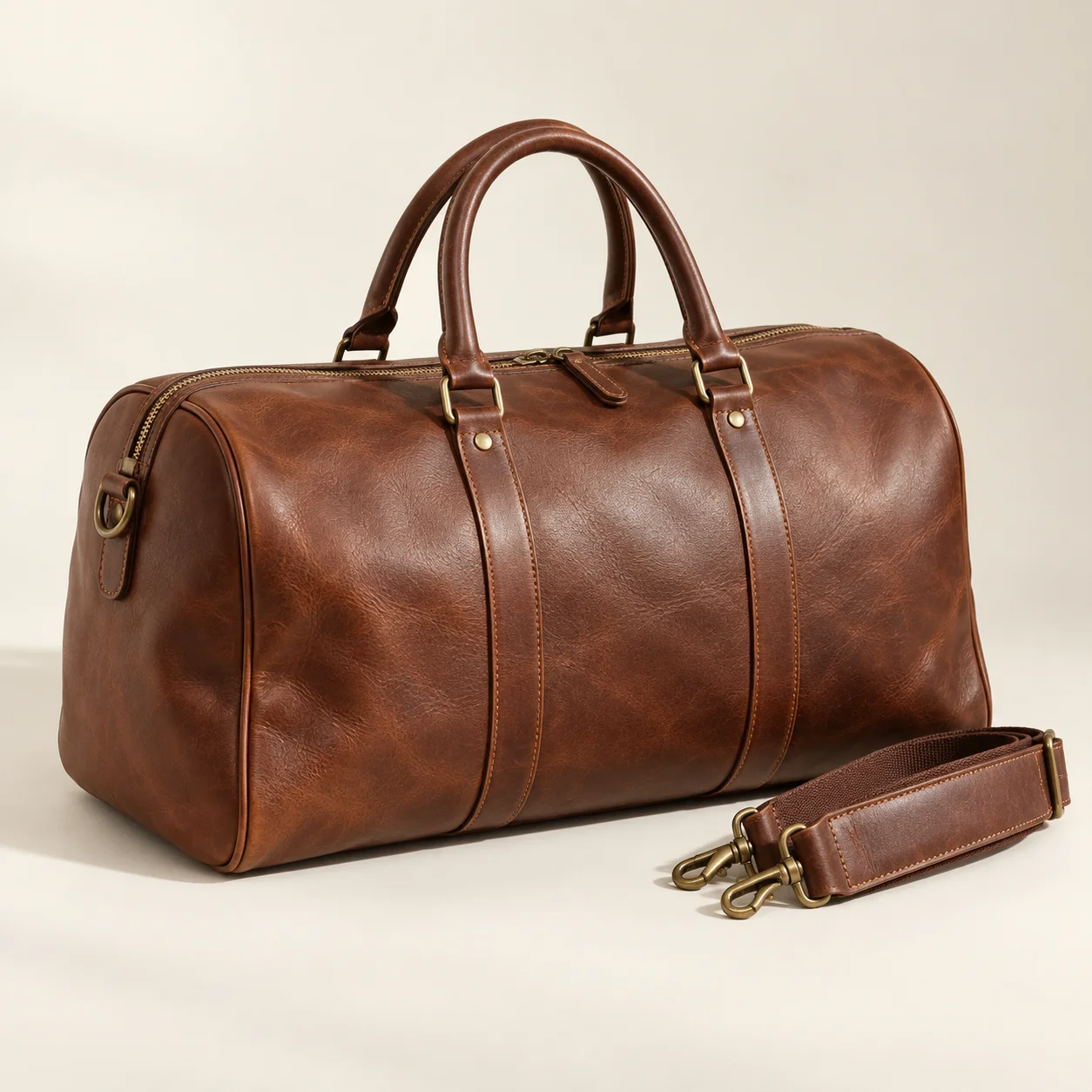
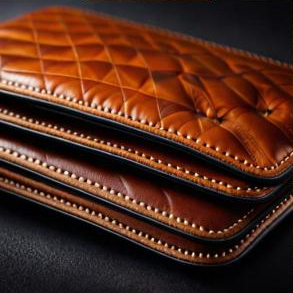
Leather remains the undisputed king of coin purse materials. Its popularity stems from its unique combination of durability, flexibility, and aesthetic appeal. A high-quality leather coin purse can last for decades, often looking better with age as it develops a rich patina.
- Full-Grain Leather: The highest quality leather available. It includes the entire grain layer, making it extremely durable and resistant to moisture. It’s the best choice for a coin purse intended for daily use over many years.
- Top-Grain Leather: Slightly thinner and more pliable than full-grain, top-grain leather has had the very top layer sanded away to remove imperfections. It offers a more uniform look and is often used in luxury goods.
- Suede: Made from the underside of the animal skin, suede is softer and has a napped finish. While stylish and pleasant to touch, it is more susceptible to staining and water damage than full-grain leather.
- Exotic Leathers: For those seeking luxury, materials like alligator, crocodile, ostrich, and stingray offer unique textures and incredible durability, though at a much higher price point.

2. Textiles and Fabrics
Fabric coin purses offer a softer, lighter, and often more colorful alternative to leather. They are popular for casual use and can be made from a wide variety of fibers.
- Canvas and Cotton: Canvas is a heavy-duty woven fabric that is rugged and durable. It’s often used for utility-style coin pouches. Cotton allows for endless pattern and color possibilities, making it a favorite for decorative or personalized purses.
- Nylon and Polyester: These synthetic fabrics are lightweight, water-resistant, and easy to clean. They are perfect for active lifestyles or for keeping coins dry in a larger bag.
- Silk and Velvet: Historically associated with nobility, these materials are still used for evening wear or formal occasions. They are delicate but add a touch of elegance and luxury.
- Wool and Felt: Woolen coin purses, often felted, provide a unique texture and natural water resistance. They offer a cozy, rustic aesthetic.
3. Modern and Synthetic Materials
Innovation in manufacturing has introduced several new materials to the world of small leather goods (even if they aren't leather!).
- Silicone: Silicone coin purses are fun, waterproof, and incredibly easy to clean. They often come in bright, pop-art colors and unique shapes. Their rubbery texture provides a good grip and protects other items in your bag from being scratched by loose coins.
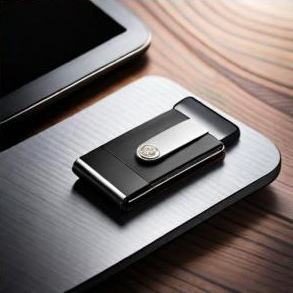
- Metal (Aluminum/Steel): Hard-shell coin cases made from aluminum or stainless steel are gaining popularity. They prevent coins from being crushed and often feature RFID-blocking technology to protect credit cards if the case is large enough to hold them.
- Vegan Leather (PU/PVC): For those who avoid animal products, synthetic leathers provide the look and feel of real leather without the ethical concerns. High-quality vegan leathers can be quite durable, though they typically lack the breathability and aging characteristics of genuine leather.
- Recycled Materials: Eco-conscious brands are now using recycled plastic bottles (rPET), reclaimed rubber (from tires), and even cork to create sustainable coin purses.
4. A Nod to History: Ancient Materials
It is worth noting that the materials we use today are a far cry from the originals. The earliest coin purses were purely functional and made from whatever was available:
- Animal Bladders & Stomachs: While it might sound unappealing today, these organs were naturally waterproof and durable, making them excellent pouches for early civilizations.
- Woven Grass & Plant Fibers: Before complex textiles, woven plant fibers were used to create simple baskets and pouches for carrying valuables.
Which Material is Right for You?
Choosing the right material depends on how you plan to use your coin purse:
- For Longevity: Choose Full-Grain Leather. It survives daily wear and tear better than any other flexible material.
- For Outdoor/Active Use: Choose Nylon or Silicone. They handle water and dirt well and can be easily washed.
- For Formal Events: Choose Silk, Velvet, or Exotic Leather. They prioritize aesthetics and elegance.
- For Security: Choose Metal. A hard shell offers physical protection and potential RFID blocking.
Whether you prefer the traditional scent and feel of leather or the modern practicality of silicone, there is a coin purse material designed to meet your specific needs. Understanding the properties of these materials ensures you choose a product that will serve you well for years to come.
Related Articles

Content director at ChicCuir, passionate about sharing the stories behind our craft.