How to Clean and Maintain a Calfskin Leather Wallet: The Ultimate Guide
Calfskin leather is renowned for its buttery softness, fine grain, and sophisticated durability. It’s the material of choice for luxury wallets, offering a sleeker finish than standard cowhide. But with great luxury comes great responsibility. To kee...
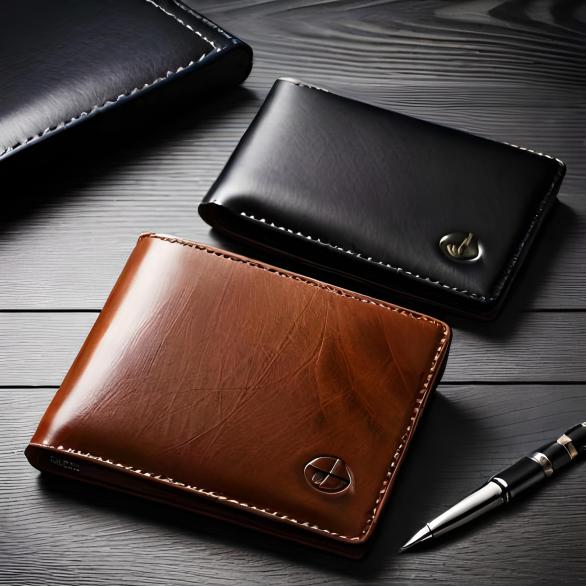
Calfskin leather is renowned for its buttery softness, fine grain, and sophisticated durability. It’s the material of choice for luxury wallets, offering a sleeker finish than standard cowhide. But with great luxury comes great responsibility. To keep your calfskin wallet looking pristine for years, it requires a specific maintenance routine that respects its delicate nature.
Whether you've just invested in a high-end piece or want to restore an old favorite, this comprehensive guide covers everything you need to know about calfskin leather wallet maintenance, from daily care to deep cleaning.
What Makes Calfskin Special?
Calfskin comes from the hide of young cattle, typically under three months old. This results in a leather that is:
- Finer in Grain: It lacks the heavy markings of mature cowhide.
- Softer and More Flexible: It feels supple right out of the box.
- More Delicate: While durable, it is more susceptible to scratches and water damage than rugged full-grain leathers.
Essential Tools for Leather Care
Before you start, gather the right supplies. Using household chemicals can ruin the finish, so stick to products designed for fine leather.
- Soft Microfiber Cloths: For wiping and buffing without scratching.
- Horsehair Brush: To gently remove dust from stitching and crevices.
- pH-Balanced Leather Cleaner: A gentle formula specific for smooth leathers.
- Leather Conditioner: Crucial for keeping the fibers hydrated.
- Distilled Water: Tap water can contain minerals that stain leather.
Step-by-Step: How to Clean a Calfskin Wallet
1. Empty and Dust
Remove all cards, cash, and receipts. Turn the wallet upside down and gently shake it to dislodge loose debris. Use your horsehair brush or a dry cloth to dust the exterior and interior surfaces. Pay attention to the card slots where lint loves to hide.
2. Wipe Down
Dampen a microfiber cloth slightly with distilled water (it should be damp, not dripping). Gently wipe the surface to remove surface dirt. Never soak the leather; too much water can cause the fibers to swell and warp.
3. Deep Clean (If Needed)
If your wallet has visible grime, apply a small amount of leather cleaner to a cloth—never directly on the wallet. Rub it in using gentle, circular motions. Wipe away any residue with a fresh damp cloth.
4. Air Dry
Pat the wallet dry with a clean towel and let it air dry naturally in a cool place. Avoid artificial heat sources like hair dryers or radiators, as they can cause the leather to crack.
Conditioning: The Secret to Longevity
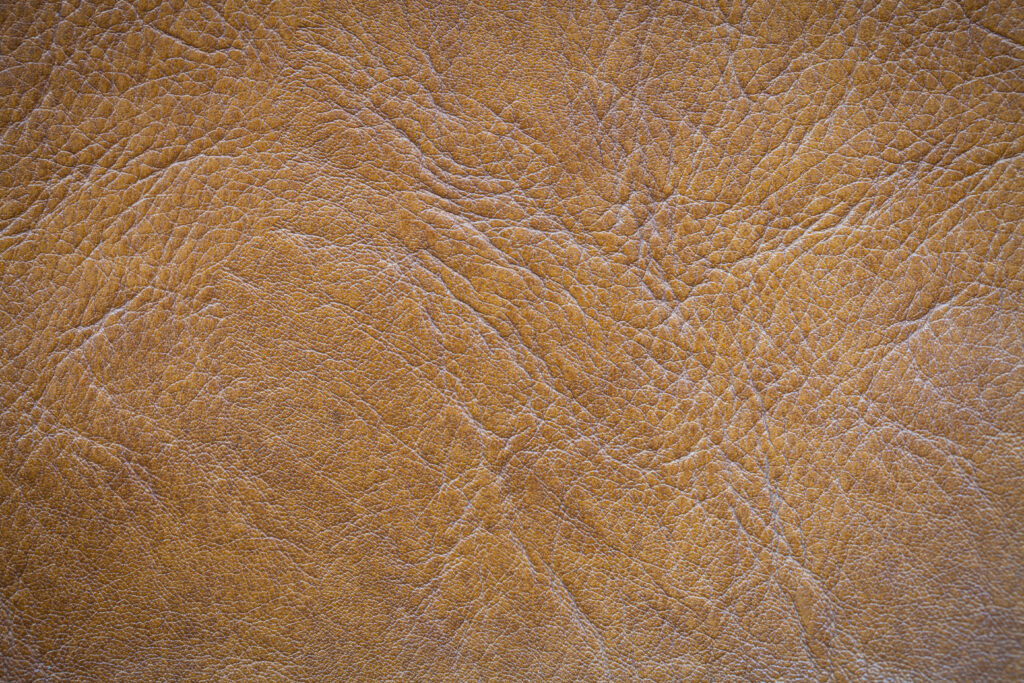
Leather is skin, and without moisture, it dries out. Calfskin leather care relies heavily on conditioning to maintain that buttery feel.
- Frequency: Condition your wallet every 3 to 6 months.
- Method: Apply a pea-sized amount of high-quality leather conditioner to a cloth. Massage it into the leather in circular motions.
- Wait: Let the conditioner absorb for 15-20 minutes, then buff off any excess with a clean dry cloth.
Handling Scratches and Stains
Calfskin can be prone to scuffing. Here’s how to handle common issues:
- Light Scratches: Often, the oils from your fingers are enough to buff these out. Rub the scratch gently with your thumb or a soft cloth.
- Grease/Oil Stains: Do not use water! Sprinkle a little cornstarch or baby powder on the spot and leave it overnight to absorb the oil. Brush it off in the morning.
- Water Spots: If your wallet gets wet, blot it immediately (don't rub) and let it dry naturally.
Storage and Daily Protection
Prevention is the best medicine. Follow these tips to minimize damage:
- Avoid Overstuffing: Stretching calfskin can permanently warp the shape of your wallet. Clean out old receipts regularly.
- Keep it Cool: Store your wallet away from direct sunlight, which can fade the dye and dry out the leather.
- Use a Dust Bag: If you're rotating wallets, store your calfskin piece in a breathable dust bag (cotton is great) to protect it from dust and scratches while allowing it to breathe. Avoid plastic bags, which can trap moisture and cause mold.
Conclusion
A calfskin wallet is an investment in style and quality. By following this simple routine of regular cleaning, conditioning, and mindful storage, you ensure that your wallet develops a rich patina and remains a functional accessory for decades. Treat it well, and it will return the favor.
Next Up:
Does a lambskin leather wallet crack easily?
Does a lambskin leather wallet crack if washed?

Senior leather care specialist at ChicCuir with 15 years of experience in heritage leather restoration.