Vegan Wallets vs. Leather Wallets: A Deep Dive into Durability, Sustainability, and Materials
For centuries, leather has been the gold standard for wallets, prized for its durability and the way it ages. But as more consumers prioritize ethical consumption and environmental impact, vegan wallets have surged in popularity. Today, you can find...
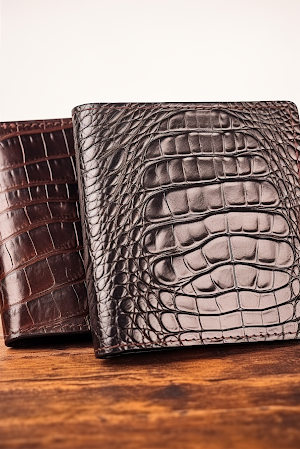
For centuries, leather has been the gold standard for wallets, prized for its durability and the way it ages. But as more consumers prioritize ethical consumption and environmental impact, vegan wallets have surged in popularity. Today, you can find wallets made from everything from recycled plastic bottles to pineapple leaves.
However, making the switch isn't always straightforward. How do these new materials hold up against traditional leather? Is "vegan" always synonymous with "sustainable"? In this guide, we'll compare vegan wallets vs leather wallets durability, examine the materials used in vegan wallets, and analyze vegan leather vs real leather sustainability to help you make an informed choice.
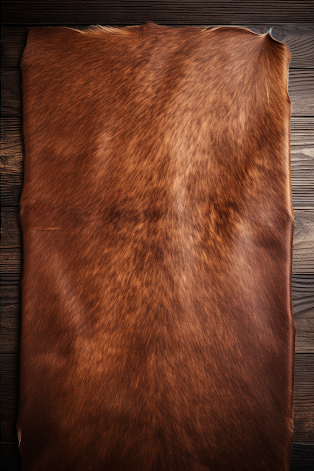
Materials Used in Vegan Wallets: More Than Just "Fake Leather"
When people think of vegan leather, they often think of "pleather" or cheap plastic imitations. While synthetic materials are still common, the landscape of materials used in vegan wallets has evolved significantly. Today's options generally fall into two categories: synthetic and plant-based.
- Synthetic Leathers (PU & PVC): The most common vegan leather is made from polyurethane (PU) or polyvinyl chloride (PVC). These are essentially plastics bonded to a fabric backing. While affordable and versatile, they are derived from fossil fuels.
- Plant-Based Alternatives: Innovation has led to exciting bio-materials that mimic leather's properties using organic waste.
- Piñatex: Made from pineapple leaf fibers, a byproduct of the pineapple harvest.
- Cork Leather: Harvested from the bark of cork oak trees without harming the tree, making it highly renewable.
- Apple Leather & Mushroom Leather: Created from apple skins or mycelium (mushroom roots), offering a unique, eco-friendly texture.
- Cactus Leather: A durable, partially biodegradable material made from the Nopal cactus.
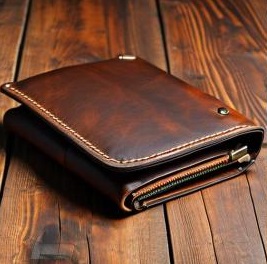
Vegan Wallets vs. Leather Wallets Durability: Which Lasts Longer?
This is often the deciding factor for many buyers. When comparing vegan wallets vs leather wallets durability, traditional leather generally comes out on top, but the gap is narrowing with high-end vegan options.
The Lifespan Breakdown
- Real Leather (Full-Grain): Can last 10 to 30+ years. It is incredibly strong, resistant to tearing, and develops a desirable patina over time rather than wearing out.
- Synthetic Vegan Leather (PU/PVC): Typically lasts 2 to 5 years. It is prone to cracking, peeling, and delaminating at stress points like fold corners. It does not develop a patina.
- Plant-Based Vegan Leather: High-quality options like cactus or cork leather can last up to 10 years with proper care, offering a middle ground between plastic synthetics and animal leather.
While a high-quality leather wallet is an investment that can last decades, a vegan wallet may need replacing every few years. However, for those who object to using animal products, this trade-off in longevity is often acceptable.
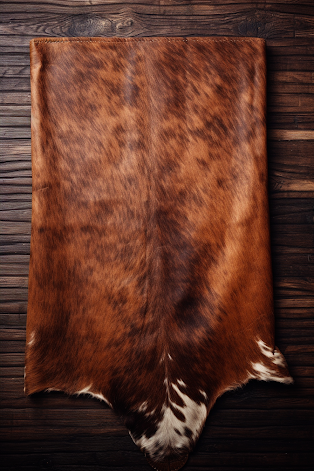
Vegan Leather vs. Real Leather Sustainability: It's Complicated
The environmental impact of your wallet is a nuanced topic. Vegan leather vs real leather sustainability isn't a simple case of "good vs. bad."
The Case for Vegan Leather
The primary environmental argument for vegan leather is that it avoids the carbon-intensive livestock industry. Cattle farming is a major driver of deforestation, water usage, and methane emissions. By choosing vegan, you are opting out of this cycle. Additionally, plant-based leathers like cork and Piñatex utilize agricultural waste, turning trash into treasure.
The Hidden Cost of Synthetics
However, "vegan" doesn't automatically mean "green." Most vegan leather is still plastic (PU or PVC), which is derived from fossil fuels, releases toxic chemicals during production, and contributes to the microplastic crisis as it degrades. Unlike real leather, which can biodegrade (depending on the tanning process), synthetic wallets will sit in landfills for centuries.
The Argument for Real Leather
Proponents of real leather argue that hides are a byproduct of the meat industry that would otherwise go to waste. Furthermore, because a good leather wallet lasts 3-5 times longer than a synthetic one, you buy fewer items over your lifetime, reducing overall consumption and waste.
The Verdict: Which Should You Choose?
The choice between a vegan wallet and a leather wallet ultimately depends on your values:
- Choose Real Leather If: You value extreme durability, want a product that improves with age (patina), and prefer a "buy it for life" approach to reduce long-term waste.
- Choose Vegan Leather If: You want to avoid animal products entirely, prefer innovative plant-based materials, or want a wider variety of colors and textures at a typically lower price point.

As technology advances, the line between these two worlds is blurring. We are seeing more durable bio-based materials that offer the ethics of veganism with the longevity closer to traditional leather. Whatever you choose, looking for quality construction and responsible sourcing is key.
Next Up
What do you need to know about vegan leather?
How do vegan men's wallets balance style and functionality in their design?

Product care educator and master craftsman with a deep passion for leather longevity.