How Manufacturers Make Vegan Leather Wallets Feel Like Real Leather
Have you ever picked up a wallet and sworn it was high-quality animal hide, only to discover it was completely synthetic? You're not alone. The question "what does vegan leather feel like" used to have a simple answer: plastic. But today, thanks to a...
Introduction
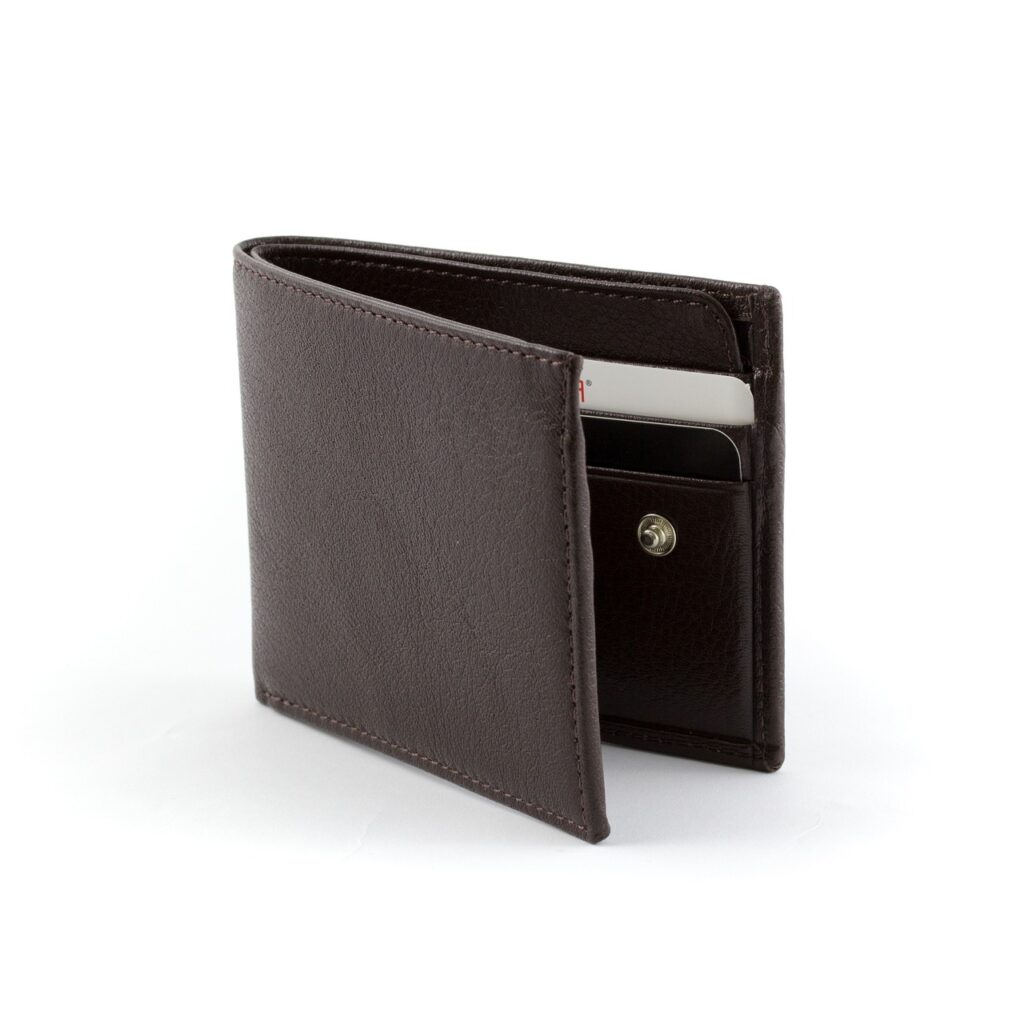
Have you ever picked up a wallet and sworn it was high-quality animal hide, only to discover it was completely synthetic? You're not alone. The question "what does vegan leather feel like" used to have a simple answer: plastic. But today, thanks to advanced manufacturing techniques, that answer is much more complex. Companies are now able to make vegan leather feel like real leather to such a degree that even experts sometimes struggle to tell the difference. In this article, we'll dive into the fascinating science and artistry behind vegan leather texture manufacturing and how synthetic materials are transformed into luxurious, tactile accessories.
Understanding the Base Materials
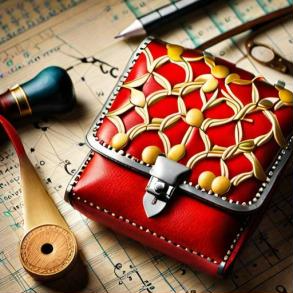
To understand how to make vegan leather feel like real leather, we first need to look at the ingredients. While early faux leathers were simple plastics like PVC (polyvinyl chloride), modern manufacturers use more sophisticated polymers like polyurethane (PU). PU is naturally softer and more flexible than PVC, providing a better starting point for a realistic feel.
But the real innovation lies in bio-based materials. Manufacturers are now creating leather alternatives from pineapple leaves (Piñatex), cactus, apple peels, and even mushroom mycelium. These organic materials often have a natural irregularity and fiber structure that synthetic plastics lack, giving them a head start in mimicking the "imperfect" beauty of genuine leather.
The Science of Microfibers
Real leather gets its strength and unique feel from a dense network of collagen fibers. To replicate this, vegan leather texture manufacturing often involves creating a base of ultra-fine microfibers. These fibers are tightly woven or entangled to mimic the collagen structure of animal skin.
By carefully engineering the thickness, density, and weaving pattern of these microfibers, manufacturers can control the material's drape and handle. This process allows them to create a "grain" that isn't just stamped on top but runs through the material, resulting in a product that wrinkles and folds just like the real thing. It is this internal structure that allows high-end vegan wallets to feel supple and "buttery" rather than stiff and plasticky.
Texture Enhancement: Embossing and Buffing
Once the base material is ready, it's time for the "spa treatment." Raw synthetic material is often too smooth and uniform. To fix this, manufacturers use heavy-duty embossing machines with engraved metal rollers. These rollers press natural-looking patterns—complete with pores, wrinkles, and grain lines—into the surface. This step is crucial for answering the consumer demand for what vegan leather feels like: a textured, organic surface rather than a slick sheet of plastic.
After embossing, the material might undergo buffing and polishing. Just like sanding wood, this process removes any sharp artificial edges from the embossing process, softening the surface to create a "lived-in" feel. Some high-end vegan leathers are even tumbled in large drums to soften the fibers further, a technique borrowed directly from traditional tanneries.
Finishing Touches: Visual and Tactile Details
The final steps in vegan leather texture manufacturing are all about the details.
- Matte Finishes: Real leather is rarely high-gloss. Manufacturers apply matte coatings to reduce the plastic shine and give the wallet a sophisticated, satin look.
- Antique Effects: To simulate aging, two-tone dyes are sometimes used. A darker color might be rubbed into the "creases" of the grain, adding depth and making the texture pop.
- Scent Infusion: Believe it or not, the smell is part of the feel. Some manufacturers blend natural oils or leather-scented essences into the material to trick the brain into perceiving the material as more authentic.
The Future: 3D Printing and Bio-Fabrication
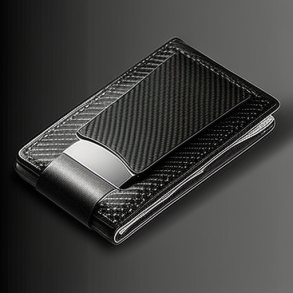
The cutting edge of how to make vegan leather feel like real leather is in 3D printing and bio-fabrication. 3D printing allows designers to build the material layer by layer, controlling the exact placement of every "fiber" and "pore." This level of precision means they can program the material to be stiffer in some areas (like the wallet's spine) and softer in others (like the card slots).
Meanwhile, bio-fabrication involves growing materials from cultures, such as yeast or bacteria, which produce their own collagen-like polymers. This could eventually lead to vegan leather that is molecularly identical to animal leather, without the animal.
The Bottom Line
So, what does vegan leather feel like today? It feels like innovation. Through a combination of advanced microfiber technology, precise embossing, and artistic finishing, manufacturers have blurred the line between synthetic and natural. While purists may still prefer the patina of animal hide, the gap is closing rapidly. As technology improves, we can expect vegan leather wallets to become even more indistinguishable from their traditional counterparts, offering a cruelty-free option that sacrifices nothing in terms of luxury and tactility.
Next Up
How do manufacturers make vegan wallets for men durable and resistant to wear and tear?

Creative director at ChicCuir, overseeing seasonal collections and brand visual identity.