Vertical vs. Horizontal Bifold Wallets: Which Style is Right for You?
When it comes to men's accessories, few items are as essential as the wallet. It’s a daily companion that carries your most important possessions: cash, identification, and credit cards. For decades, the classic bifold has been the gold standard, but...
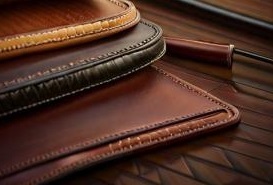
When it comes to men's accessories, few items are as essential as the wallet. It’s a daily companion that carries your most important possessions: cash, identification, and credit cards. For decades, the classic bifold has been the gold standard, but the market has evolved. Today, the choice often comes down to two distinct orientations: the traditional horizontal bifold wallet and the sleek, modern vertical bifold wallet.
While they may share a similar folding mechanism, the differences in orientation significantly impact user experience, pocket comfort, and capacity. In this comprehensive guide, we’ll explore the nuances of vertical vs horizontal bifold wallets to help you decide which design aligns best with your lifestyle and needs.
The Horizontal Bifold Wallet: The Timeless Classic
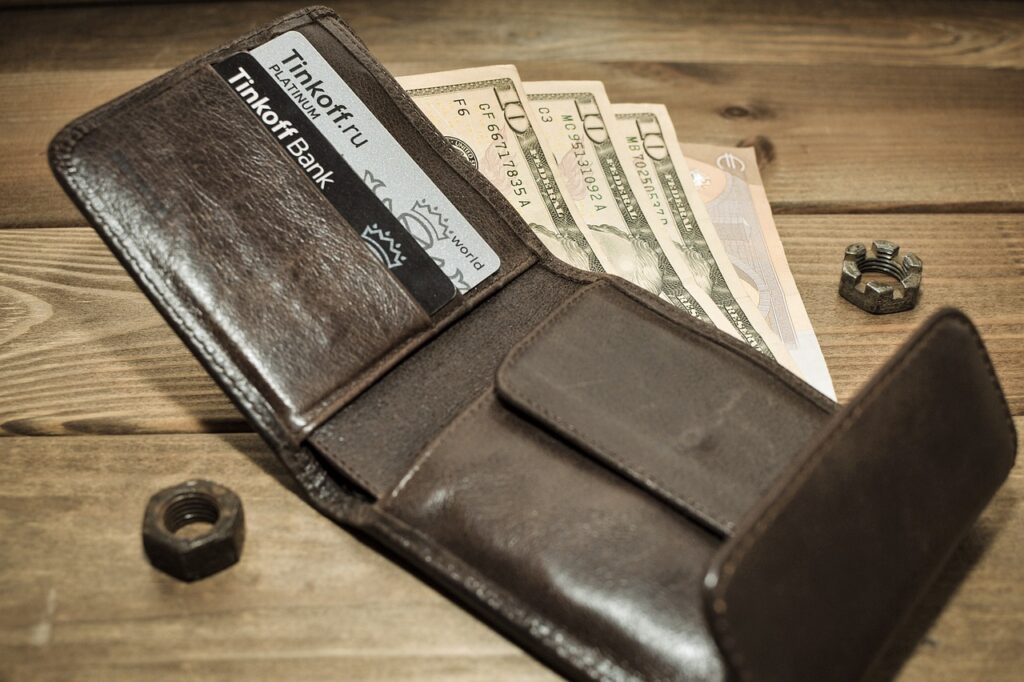
The horizontal bifold is what most people picture when they hear the word "wallet." Rectangular in shape and wider than it is tall, this design has dominated the market for generations. Its enduring popularity stems from its compatibility with standard currency dimensions, particularly US dollars.
Key Features
- Orientation: Landscape (wider than it is tall).
- Bill Compartment: Long, horizontal slot that allows bills to lay flat without folding.
- Card Layout: Typically features two banks of horizontal card slots on either side of the fold.
Pros of Horizontal Bifolds
- Familiarity: The muscle memory of using a horizontal wallet is ingrained in most users.
- Currency Fit: Designed perfectly for long banknotes, allowing for easy insertion and removal.
- Capacity: Often provides a generous amount of space for cash, receipts, and multiple cards.
Cons of Horizontal Bifolds
- Bulk: Can become thick and wedge-shaped when fully loaded, creating an uncomfortable lump in back pockets.
- Pocket Footprint: The wider profile may not fit as comfortably in slimmer front pockets.
The Vertical Bifold Wallet: The Modern Alternative
The vertical bifold wallet, sometimes referred to as a "tall" or "portrait" wallet, flips the script—literally. By rotating the axis, this design offers a taller, slimmer profile that appeals to those seeking a more contemporary look or better pocket ergonomics.
Key Features
- Orientation: Portrait (taller than it is wide).
- Bill Compartment: Deep, vertical slot. Bills are inserted from the top or side, sitting deeper in the pocket.
- Card Layout: often features vertical card slots or stacked slots that utilize the height of the wallet.
Pros of Vertical Bifolds
- Slimmer Profile: The vertical orientation often distributes card bulk more evenly, resulting in a flatter carry.
- Pocket Security: The deeper shape sits more securely in front pockets and deep back pockets, reducing the risk of slipping out.
- Unique Aesthetic: Offers a distinct, stylish look that stands out from the standard wallet crowd.
- International Currency: The deeper bill pocket accommodates taller international banknotes (like Euros or Yen) better than some compact horizontal wallets.
Cons of Vertical Bifolds
- Bill Access: Retrieving cash from a deep vertical pocket can sometimes feel less intuitive than the wide opening of a horizontal wallet.
- Height Issues: May peek out of shallow pockets, particularly in certain cuts of jeans or shorts.
Vertical vs. Horizontal: A Head-to-Head Comparison
To help you visualize the differences, let’s break down how these two styles compare across critical categories.
| Feature | Horizontal Bifold | Vertical Bifold |
|---|---|---|
| Pocket Fit | Standard fit for back pockets; can be wide for front pockets. | Excellent for front pockets and deep back pockets; slimmer feel. |
| Cash Access | Easy, wide opening. Bills are visible at a glance. | Deep pocket. Secure, but may require digging for smaller bills. |
| Card Storage | Horizontal slots; easy to fan out cards. | Vertical or stacked slots; often holds cards tighter. |
| Style Factor | Traditional, Classic, Conservative. | Modern, Edgy, Sophisticated. |
Which Style Should You Choose?
The choice between a vertical vs horizontal bifold wallet ultimately depends on your daily habits and wardrobe.
Choose a Horizontal Bifold If:
- You primarily carry cash and prefer quick, easy access to your bills.
- You are a traditionalist who appreciates the classic look and feel of leather goods.
- You tend to carry a lot of cards and receipts and need the maximizing width of a standard wallet.
Choose a Vertical Bifold If:
- You prefer front pocket carry for security or back health.
- You want a slimmer silhouette that doesn't ruin the line of your tailored trousers or jeans.
- You travel internationally and need a wallet that can handle taller currencies without the edges sticking out.
- You appreciate modern design and want an accessory that looks a bit different.
Conclusion
Whether you opt for the tried-and-true horizontal bifold or the sleek vertical alternative, quality leather and construction are paramount. Both styles offer the functionality of the classic bifold design—folding once for simplicity—but cater to different ergonomic preferences.
If you're tired of the "brick" in your back pocket, giving a vertical bifold wallet a try might change your everyday carry game. However, if you love the ease of flipping through cash and cards in a familiar layout, the horizontal bifold remains the undisputed king of convenience. Assess your carry needs, check your pocket depth, and choose the one that feels right in your hand.

Fashion editor and style consultant specialising in leather accessories and professional wardrobe building.