What is the difference between a bifold and a billfold wallet?
Confused about the difference between a bifold and a billfold wallet? We explain the definitions, similarities, and why these terms are often used interchangeably.
Introduction
When shopping for a new wallet, you might stumble across terms like "bifold" and "billfold" and wonder: are they the same thing? Or is there a secret difference that only leather experts know about?
The short answer is: A bifold is a type of billfold, but not all billfolds are bifolds. While the terms are often used interchangeably in casual conversation, there is a technical distinction based on function versus structure.
In this guide, we’ll clear up the confusion between bifold vs. billfold wallets, explain what each term actually means, and help you decide which style is right for your pocket.
What is a Billfold Wallet?
The term billfold refers to the wallet's function. As the name suggests, a billfold is designed specifically to hold paper currency ("bills") and usually folds over to keep them secure.
Historically, the term "billfold" became popular to distinguish these wallets from coin purses or simple card holders. If a wallet has a long compartment for cash that requires you to fold the wallet shut, it is technically a billfold.
- Primary Function: Carrying paper money (bills).
- Key Feature: Folds the currency or the wallet itself to secure the cash.
- Examples: Bifolds, Trifolds, and even some long wallets that fold.
Think of "billfold" as the broad category for any standard folding wallet designed for cash.
What is a Bifold Wallet?
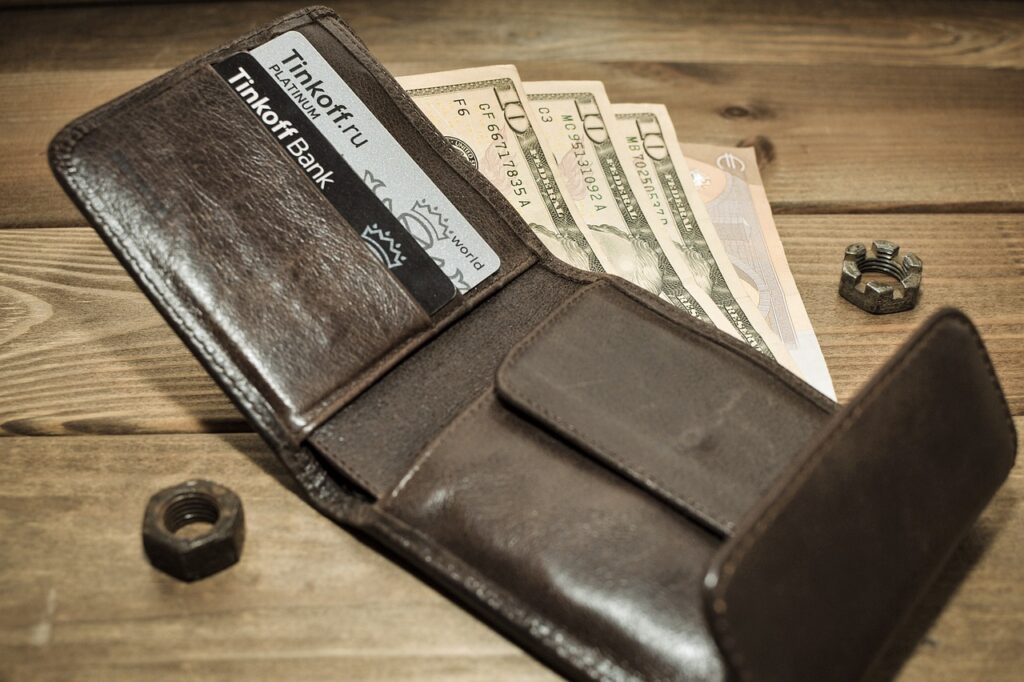
The term bifold refers to the wallet's structure. A bifold wallet is defined by having exactly one fold right down the middle, creating two sections (or "leaves").
Because it folds, a bifold wallet is, by definition, a billfold. It is actually the most common and popular type of billfold in the world. It strikes a perfect balance between capacity and slimness, allowing you to carry cash, cards, and IDs without the bulk of a trifold (which folds twice).
- Primary Structure: Folds once in the center.
- Capacity: Typically holds 6-10 cards and a full-length bill compartment.
- Profile: Generally slimmer than a trifold but thicker than a cardholder.
Bifold vs. Billfold: The Comparison
To visualize the difference, think of "Vehicle" vs. "Sedan." A sedan is a type of vehicle. Similarly, a bifold is a type of billfold.
| Feature | Billfold | Bifold |
|---|---|---|
| Definition Type | Functional (holds bills) | Structural (folds once) |
| Shape | Can vary (fold once, twice, etc.) | Rectangular, folds in half |
| Includes | Bifolds, Trifolds, some Long Wallets | Only wallets with one fold |
| Best For | Anyone carrying cash | Everyday Carry (EDC) balance |
Why The Confusion?
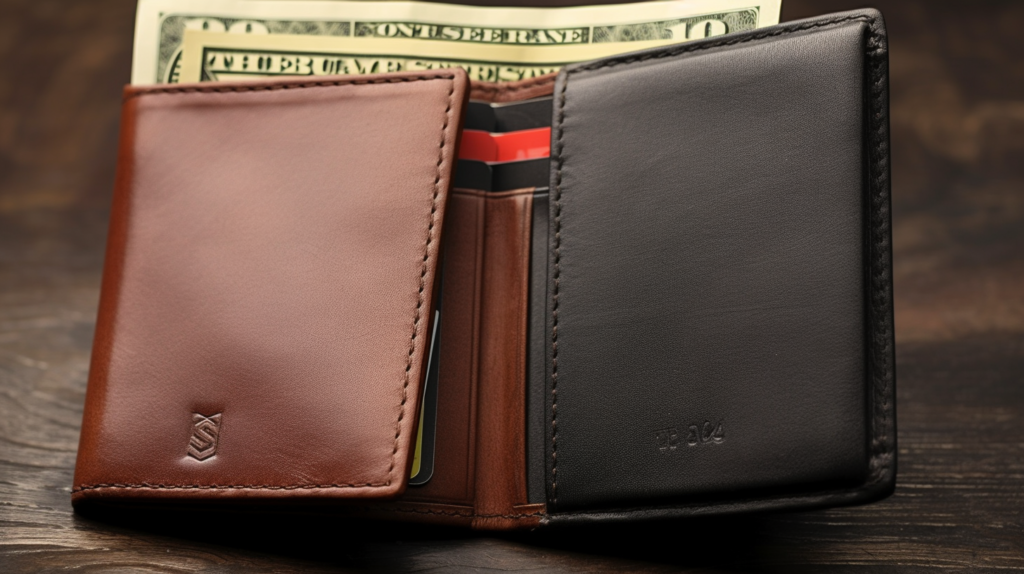
In modern usage, many people use "billfold" to sound a bit more formal or old-school, while "wallet" or "bifold" is the common vernacular. Sometimes, brands might use "billfold" to describe a very slim, minimalist bifold that focuses only on cash and a few cards, trying to differentiate it from a bulky "dad wallet."
However, don't be fooled by the marketing. If it folds in half and holds cash, it's both a bifold and a billfold!
Conclusion
So, what is the difference between a bifold and a billfold wallet? It's largely a matter of structure vs. category. A bifold is a specific style of wallet that folds once, while "billfold" is the umbrella term for any folding wallet designed to carry paper money.
Whether you call it a bifold, a billfold, or just your trusty wallet, the most important thing is that it fits your lifestyle (and your pocket!). If you want a classic, reliable option that fits neatly in a back pocket, a leather bifold is likely exactly what you're looking for.
***Happy wallet hunting!
Next Up:
What are the key features to look for in a women’s bifold wallet?
Differences between vertical and horizontal bifold wallets

Senior leather care specialist at ChicCuir with 15 years of experience in heritage leather restoration.