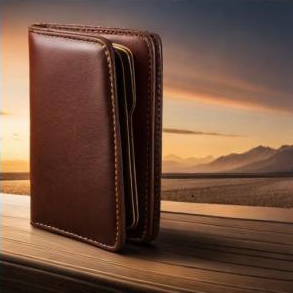
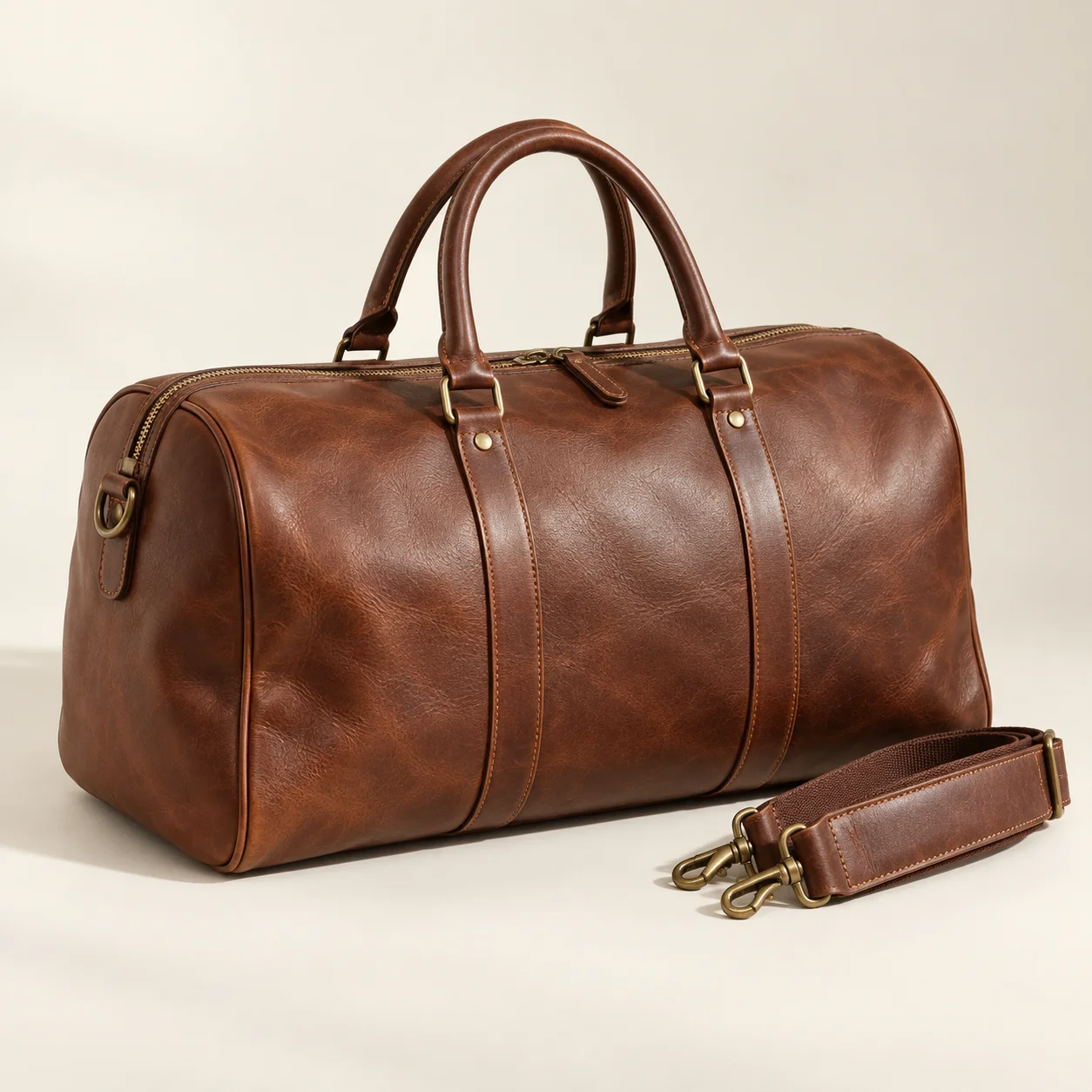
Is Bison Leather Good for a Wallet? The Ultimate Durability Guide
Discover why bison leather is the top choice for durable wallets. Learn about its 40% higher strength than cowhide, unique grain patterns, and pros & cons.
When searching for a wallet that can withstand the rigors of daily life, materials matter. Among the premium options, American bison leather has surged in popularity. But is bison leather good for a wallet?
The short answer is yes—in fact, it is widely considered one of the superior leathers for small goods. Offering a unique combination of rugged durability (up to 40% stronger than cowhide) and surprising softness, a bison leather wallet is an investment that pays off in longevity.
Why Bison Leather is Superior: The Science of Strength
The primary reason to choose bison leather is its structural integrity. Bison are massive animals that evolved to survive harsh winters and physical combat. Their hides reflect this resilience.
💪 40% Stronger Than Cowhide
Bison leather typically boasts a tensile strength that is 30-40% higher than standard cow leather. This is because the collagen fibers in the hide are thicker and more densely interwoven. Unlike cowhides, which are often stretched during tanning to maximize surface area, bison hides are usually left unstretched to preserve their density.
Resistance to Wear and Tear
For a wallet that slides in and out of pockets thousands of times, abrasion resistance is key. The dense fiber structure prevents the leather from thinning or tearing over time. It also holds its shape remarkably well, resisting the "floppiness" that plagues cheaper leathers after a few years.
The Aesthetic: Distinctive Grain Patterns
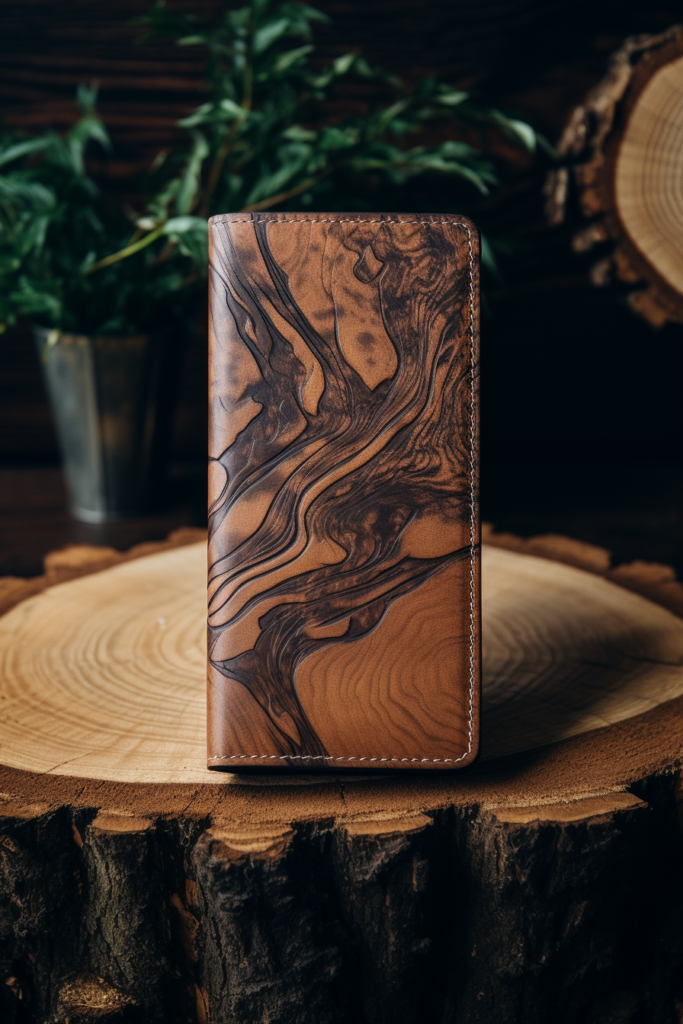
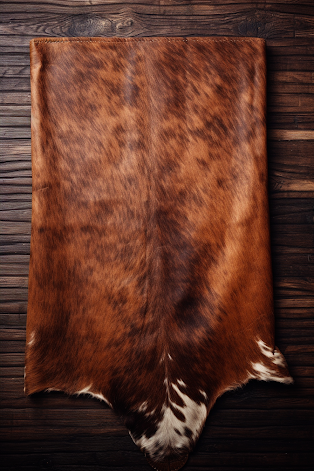
While cow leather is often smooth and uniform, bison leather is celebrated for its deep, pebbled grain. This texture is natural—not stamped—meaning every wallet is unique.
- The "Puzzle" Effect: The grain varies across the hide, creating a landscape of peaks and valleys.
- Patina Potential: As the wallet ages, the high points of the grain polish to a shine while the valleys retain their matte finish, creating a rich, multi-dimensional patina.
- Hides Scratches: The rugged texture naturally camouflages minor scuffs and scratches, keeping your wallet looking newer for longer.
Bison vs. Cow Leather: A Quick Comparison
| Feature | Bison Leather | Cow Leather |
|---|---|---|
| Strength | Very High (Dense fibers) | Moderate to High |
| Texture | Deep, pebbled, uneven grain | Smooth, uniform grain |
| Feel | Soft & pliable immediately | Often stiff, needs break-in |
| Price | Premium ($$$) | Standard ($$) |
Pros and Cons of Owning a Bison Wallet
The Pros
- Longevity: It will likely outlast the stitching that holds it together.
- Zero Break-In: Despite its strength, bison leather is naturally soft and pliable right out of the box.
- Water Resistance: The natural oils and density provide better inherent moisture resistance than many other leathers.
- Made in USA: Most bison leather is sourced from American ranches, supporting local industries.
The Cons
- Cost: Due to lower supply and higher processing standards, expect to pay a premium.
- Rugged Look: The heavy grain is bold. If you prefer a sleek, glass-smooth dress wallet, bison might be too textured for your taste.
Conclusion
If you want a wallet that combines the toughness of a work boot with the luxury of a fine accessory, bison leather is an excellent choice. It offers a rare blend of strength, character, and immediate comfort that standard leathers simply cannot match. It’s not just a wallet; it’s a companion that gets better with every adventure.

Sustainability director at ChicCuir, leading our environmental initiatives and ethical sourcing programmes.