How To Protect Crocodile Leather: Ultimate Care Guide
Crocodile leather is synonymous with luxury, durability, and exotic beauty. Whether it's a high-end handbag, a sleek wallet, or a pair of boots, owning a piece of crocodile leather is an investment. However, like any precious material, it requires sp...
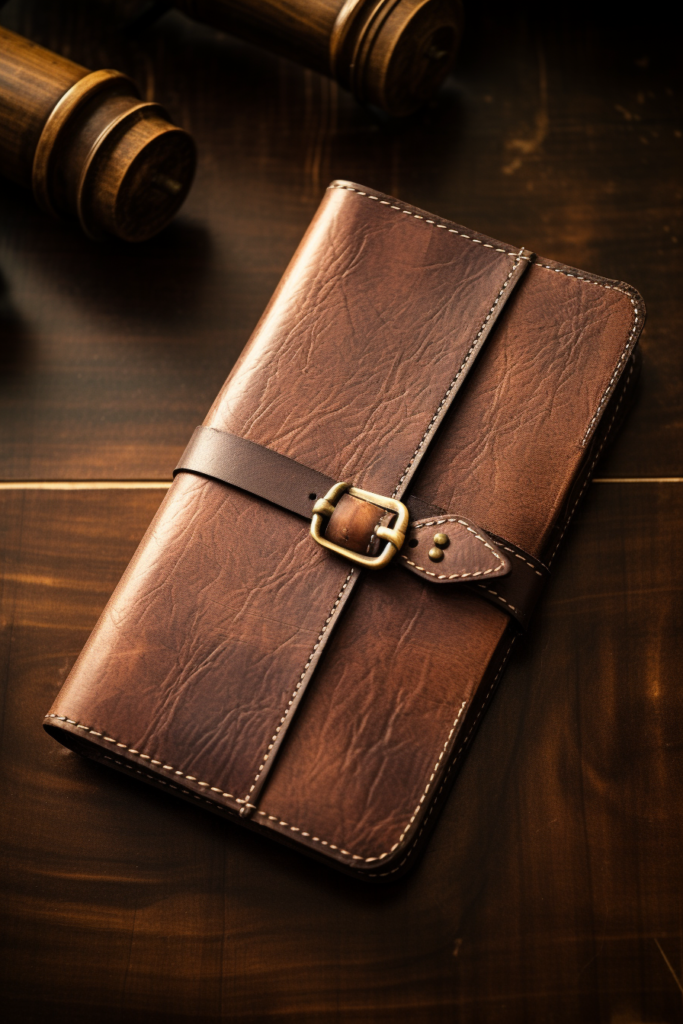
Introduction: Preserving the Luxury of Crocodile Leather
Crocodile leather is synonymous with luxury, durability, and exotic beauty. Whether it's a high-end handbag, a sleek wallet, or a pair of boots, owning a piece of crocodile leather is an investment. However, like any precious material, it requires specific care to maintain its luster and structural integrity over time. Without proper protection, even the toughest crocodile skin can dry out, crack, or fade.
In this guide, we will cover everything you need to know about how to protect crocodile leather, from daily handling tips to cleaning and conditioning routines that will keep your items looking brand new for years to come.
Understanding Crocodile Leather Characteristics
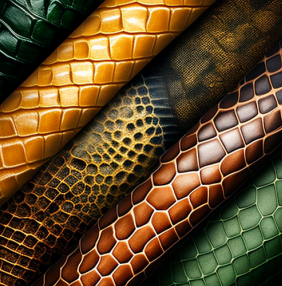
Before diving into care routines, it's important to understand what makes crocodile leather unique. It is composed of tough scales made of keratin—the same protein found in your fingernails. This gives it incredible durability, but the skin between the scales is softer and more flexible.
Unlike standard cowhide, crocodile leather is not naturally waterproof. It is semi-porous, meaning it can absorb water and oils, which can lead to permanent staining or water spots if not addressed immediately. Its unique finish (often glazed or matte) also dictates how you should handle it. Glazed finishes are more delicate and prone to scratching, while matte finishes are generally more resilient but still need hydration.
Daily Protection: The Golden Rules
Prevention is the best form of protection. Follow these golden rules to prevent damage before it happens:
- Avoid Water and Moisture: Never let crocodile leather get soaked. Water can lift the finish and leave permanent marks. If you get caught in the rain, wipe it dry gently and immediately.
- Keep Away from Heat: Direct heat sources like radiators, blow dryers, or leaving your bag in a hot car can dry out the natural oils in the skin, leading to cracking.
- Shield from Sunlight: Prolonged exposure to direct sunlight will fade the rich color of the leather and accelerate drying.
- Watch for Oils: Body oils, lotions, and perfumes can stain the leather. Be mindful when handling your wallet or bag after applying hand cream.
How to Clean Crocodile Leather
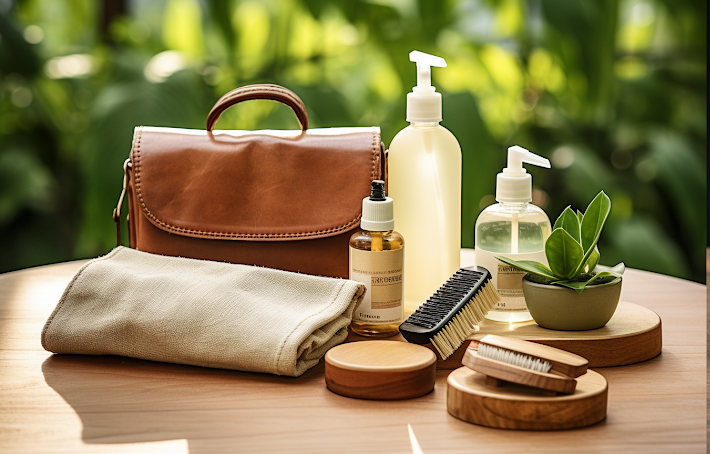
Regular cleaning prevents the buildup of dirt and oils that can degrade the finish. However, standard leather cleaners are often too harsh for exotic skins. Here is the safe way to clean your crocodile leather:
- Dust First: Use a clean, dry, soft cotton cloth to wipe away surface dust. Dust can be abrasive, so remove it gently before applying any moisture.
- Spot Clean: If there is dirt, lightly dampen a soft cloth with warm water. It should be barely damp, not wet. Gently wipe the affected area in the direction of the scales.
- Use Specific Cleaners: For deeper cleaning, use a high-quality cleaner specifically formulated for reptile or exotic leathers. Always test it on a small, hidden area first (like the inside flap) to ensure it doesn't alter the color or finish.
- Dry Immediately: After cleaning, wipe the leather dry with a fresh cloth and let it air dry completely in a cool, ventilated area.
Warning: Never use alcohol, saddle soap, or general household cleaners on crocodile leather. These can strip the finish and ruin the skin.
Conditioning: Hydrating the Skin
The most common issue with vintage or neglected crocodile leather is drying and cracking between the scales. Conditioning is the key to longevity.
You should condition your crocodile leather items every 2 to 4 months, depending on frequency of use and climate. If you live in a dry climate, you may need to do it more often.
- Choose the Right Product: Look for conditioners labeled for "Reptile," "Exotic," or specifically "Crocodile/Alligator." These are lighter and penetrate the dense scales better than heavy cowhide creams. Lanolin-free products are often recommended.
- Application: Apply a small amount of conditioner to a soft cloth, not directly onto the leather. Massage it gently into the skin in circular motions.
- Buffing: Allow the conditioner to absorb for about 15 minutes, then buff off any excess with a clean dry cloth. This restores the shine and prevents sticky residue.
Storage: Protecting When Not in Use
How you store your crocodile leather is just as important as how you wear it. Improper storage is a leading cause of deformation and damage.
- Stuff It: For bags and shoes, stuff them with acid-free tissue paper or bubble wrap to maintain their shape. Avoid newspaper, as ink can transfer.
- Bag It: Store items in a breathable cotton dust bag. Avoid plastic bags, which can trap moisture and cause mold.
- Space It: Don't stack heavy items on top of your crocodile leather. The scales can be crushed, and the structure can be permanently dented.

Conclusion
Protecting crocodile leather requires a blend of gentle handling, regular hydration, and mindful storage. By following these steps, you ensure that your luxury leather goods remain a timeless statement of style. Treat your crocodile leather with the respect it deserves, and it will reward you with a lifetime of durability and elegance.
Next Up
How do you take care of a crocodile wallet?
Does crocodile leather last?

Sustainability director at ChicCuir, leading our environmental initiatives and ethical sourcing programmes.