How Durable Is Crocodile Leather? Longevity, Strength & Care Guide
Discover the truth about crocodile leather durability. Learn how long it lasts (5-8+ years), why it
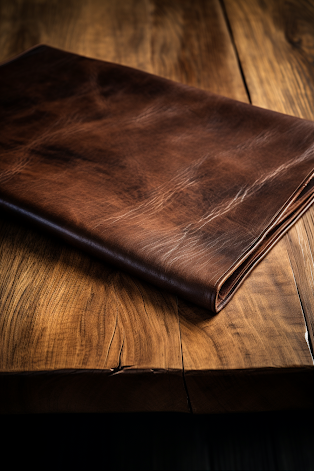
When investing in high-end luxury goods, one question inevitably arises: how durable is crocodile leather? Renowned for its distinctive scale patterns and prestigious status, crocodile leather is often assumed to be indestructible. While it is undeniably one of the toughest exotic leathers available, its longevity depends heavily on quality, finish, and care.
In this guide, we’ll break down exactly what makes crocodile leather strong, how long you can expect it to last, and how to ensure your investment becomes a cherished heirloom.
How Long Does Crocodile Leather Last?
In terms of lifespan, high-quality crocodile leather is superior to most other materials. A well-made crocodile leather wallet or bag can last anywhere from 5 to 8 years with daily use, and potentially decades or even a lifetime with careful maintenance. Unlike synthetic materials that degrade and crack over time, authentic crocodile leather develops a rich patina—a soft sheen that enhances its character as it ages.
The Science Behind the Strength
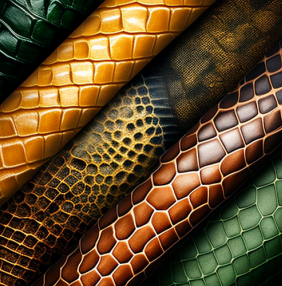
The secret to this material's longevity lies in its natural structure. Crocodile skin is composed of dense, interlocking fibers that act like natural armor. This gives it exceptional tensile strength, meaning it can resist stretching and tearing better than cowhide or sheepskin.
Specifically, the skin is reinforced with osteoderms—bony deposits embedded within the scales. These act as a protective shield, giving the leather a unique hardness and resistance to abrasion that softer leathers simply cannot match. This makes it an ideal material for items that see daily wear and tear, such as belts, footwear, and wallets.
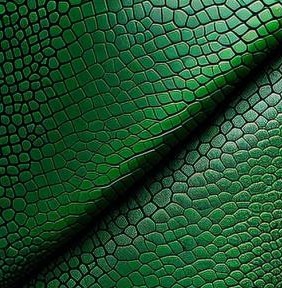
Not All Crocodile Leather Is Created Equal
Durability can vary significantly depending on the species and the tanning process:
- Nile Crocodile (Crocodylus niloticus): Known for its relatively large scales and durability, it is frequently used for heavy-duty items like boots and handbags.
- Saltwater Crocodile (Crocodylus porosus): The most premium species, prized for its smaller, more symmetrical scales and flexibility. It is durable but often used for more delicate, high-fashion items.
- Freshwater Crocodile (Crocodylus johnsoni): Often has more bony deposits (calcium), making the leather harder and more rigid. While tough, it can be prone to cracking if not tanned correctly.
- Caiman: Often sold as a cheaper alternative, Caiman leather is significantly prone to "calcium deposits," making it more brittle and likely to crack when folded compared to true crocodile.
The "Kryptonite": Water and Scratches
Despite its armor-like reputation, crocodile leather has specific vulnerabilities that owners must be aware of.
Is Crocodile Leather Waterproof?
No, crocodile leather is not waterproof. A common misconception is that because crocodiles live in water, their leather is waterproof. Once the skin is tanned, it loses its natural waterproofing. Water absorption can cause:
- Spotting: Permanent dark marks where water penetrated the finish.
- Cracking: As water evaporates, it draws out natural oils, leaving the leather dry.
- Bubbling: Separation of the finish from the skin.
Susceptibility to Scratches
While the skin itself is tough, the finish can be delicate. High-gloss (glazed) finishes are achieved by polishing the skin with a stone under high pressure. This beautiful shine is stiff and can be prone to cracking or showing scratches if bent sharply. Matte or semi-matte finishes are generally more forgiving and lower maintenance.
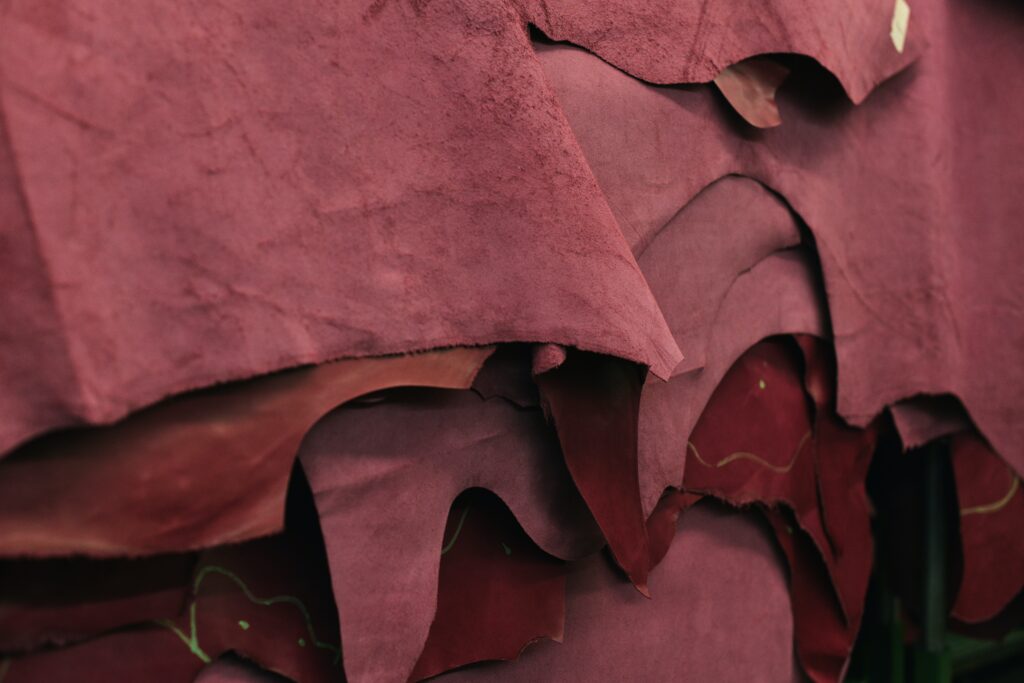
Maximizing Durability Through Care
To ensure your crocodile leather goods last a lifetime, follow these essential care tips:
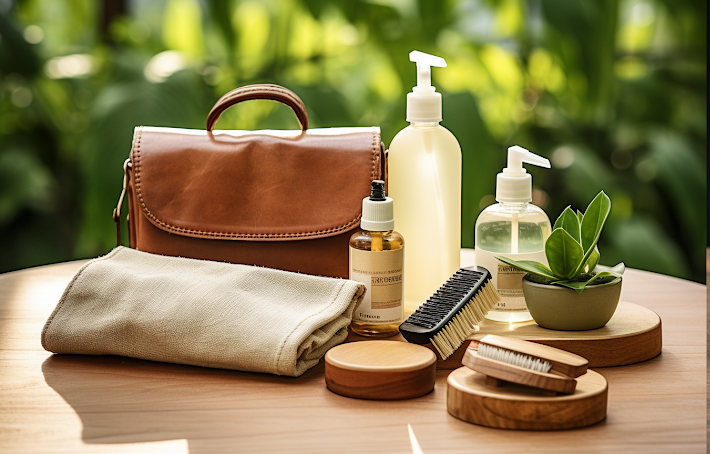
- Condition Regularly: Use a high-quality conditioner specifically designed for reptile or exotic leathers. This replenishes oils and prevents the fibers from drying out.
- Avoid Excess Moisture: Keep the leather away from rain. If it gets wet, blot it gently (don't rub) with a soft, dry cloth and let it air dry away from heat.
- Storage Matters: Store crocodile bags and shoes in dust bags to prevent scratches. Keep them in a cool, dry place away from direct sunlight, which can fade the dye and dry out the skin.
- Watch the Heat: Excessive heat can dry out the natural oils, leading to premature aging and cracking.
The Verdict: Is It Worth the Investment?
Yes. When properly cared for, crocodile leather is incredibly durable and can actually look better with age. It holds its value exceptionally well, often becoming a vintage heirloom. While it requires more mindful maintenance than standard cowhide, the reward is a unique, luxurious material that stands the test of time.
Next Up:
Is crocodile leather more expensive than alligator leather?

Travel and culture writer covering artisan traditions across the Mediterranean.