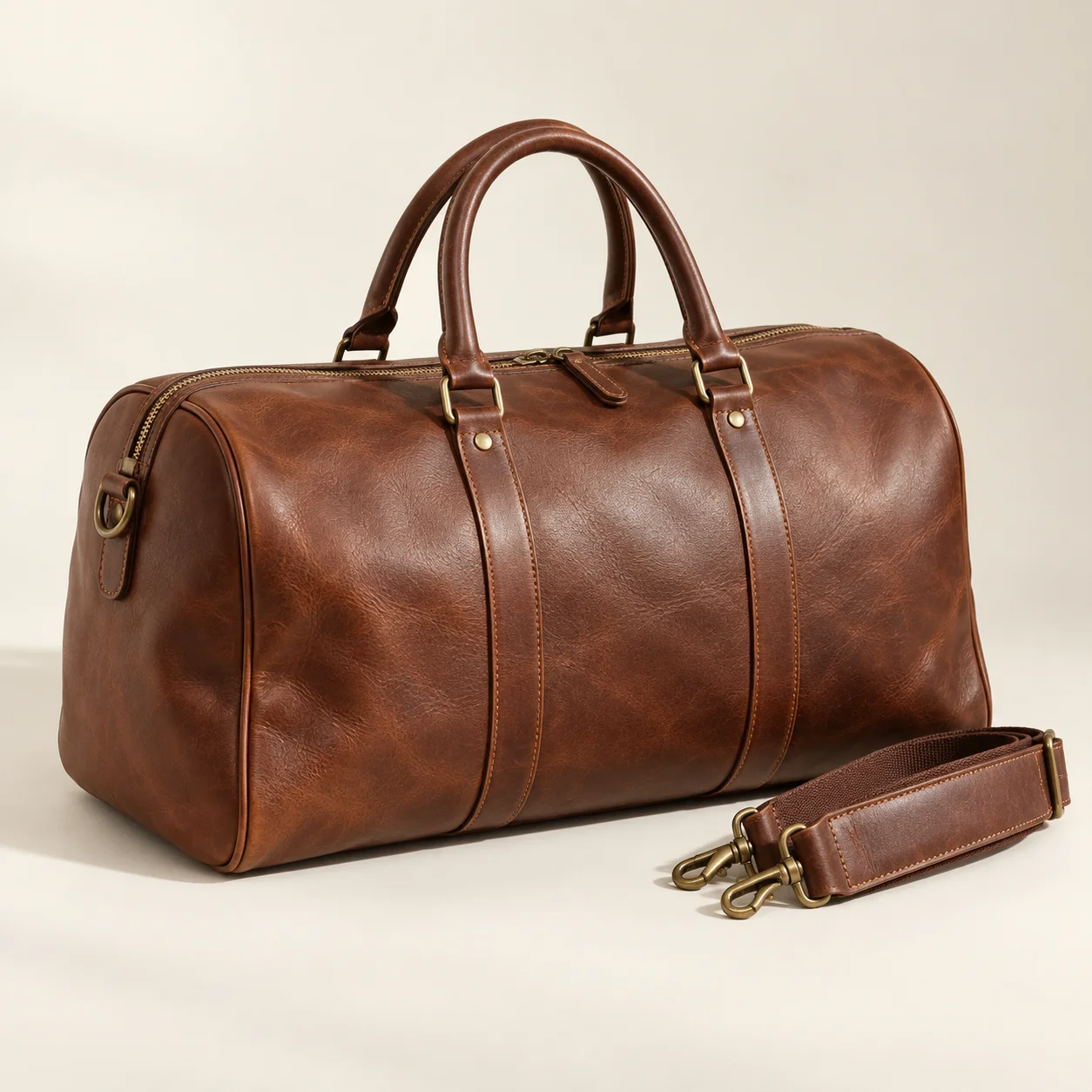
What is Full-Grain Leather? The Ultimate Guide to the Highest Quality Leather
Discover what full-grain leather is, why it
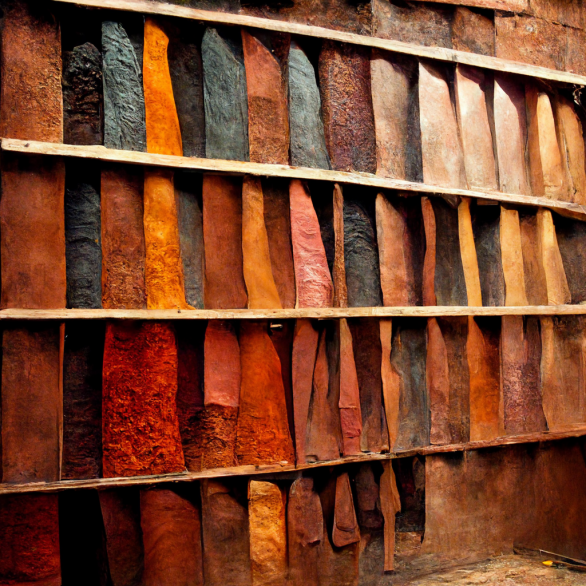
If you have ever shopped for high-quality leather goods—whether it's a rugged wallet, a timeless briefcase, or a pair of heritage boots—you have likely encountered the term "full-grain leather." It is often touted as the "gold standard" or the "holy grail" of leather. But what exactly does that mean?
In short: Full-grain leather is the highest quality grade of leather money can buy. It comes from the top layer of the hide and includes all of the natural grain. Unlike other types of leather, it has not been sanded, buffed, or snuffed to remove imperfections. This preservation of the natural hide creates a material that is incredibly strong, breathable, and develops a beautiful character over time.
In this comprehensive guide, we will explore exactly how full-grain leather is made, its unique benefits, and why it is superior to "genuine" or "top-grain" alternatives.
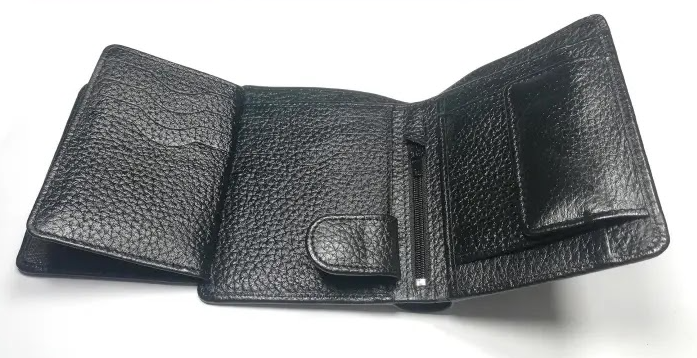
The Anatomy of Leather: Where Does It Come From?
To understand full-grain leather, you first need to understand the structure of an animal hide. A raw hide is quite thick and is typically split into at least two layers:
- The Top Layer (Full-Grain): This is the outermost surface of the skin where the hair grew. It contains the tightest, strongest fibers designed to protect the animal from the elements.
- The Bottom Layer (Split): This is the flesh side underneath the grain. It is weaker and looser in structure. This layer is often used to make suede or processed "genuine leather."
Full-grain leather utilizes that top layer in its entirety. Because the grain is left intact, the fibers are vertical and tightly interlinked, providing maximum strength.
6 Key Benefits of Full-Grain Leather
Why do leather artisans and luxury brands prefer full-grain leather? Here are the standout benefits that make it an investment worth making.
1. Unmatched Durability
Because the natural grain fibers are not removed, full-grain leather is the strongest type of leather available. It resists tearing, cracking, and peeling better than any processed alternative. A well-made full-grain leather wallet can easily last 10, 20, or even 30+ years with proper care.
2. Develops a Rich Patina
This is the characteristic most prized by collectors. Over time, full-grain leather absorbs natural oils from your hands, sunlight, and moisture. Instead of wearing out, it wears in, developing a glossy sheen and a richer color known as a patina. Lower-quality leathers that are painted or coated will never develop this character; they simply fade and crack.
Did You Know? The patina acts as a protective layer for the leather, preventing it from drying out and adding to its longevity.
3. Unique Character and Markings
Since the surface is not sanded down, full-grain leather displays the natural history of the animal. You might see small scars, insect bites, or wrinkles. Far from being defects, these markings are proof of authenticity. No two pieces of full-grain leather are exactly alike.
4. Breathability
Full-grain leather retains the natural pores of the skin. This allows the material to "breathe," meaning it can absorb and release moisture. This is crucial for items like boots or jackets, preventing heat and sweat buildup, and keeping the leather from rotting from the inside out.
5. Water Resistance
While no leather is 100% waterproof without treatment, the tight fiber structure of full-grain leather naturally repels moisture better than split or suede leathers. When properly conditioned, it can withstand the elements remarkably well.
6. Eco-Friendly Longevity
In a world of fast fashion, full-grain leather is a sustainable choice because of its lifespan. One high-quality wallet can outlast 10 cheap synthetic ones, reducing waste and the need for frequent manufacturing.
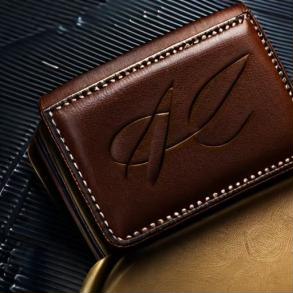
Full-Grain vs. The Rest: A Quick Comparison
How does full-grain stack up against other common leather grades? Here is the breakdown:
| Feature | Full-Grain Leather | Top-Grain Leather | Genuine Leather |
|---|---|---|---|
| Source | Top layer, un-sanded | Top layer, sanded surface | Split layers (bottom) |
| Durability | Highest (Decades) | High, but thinner | Low (1-3 Years) |
| Surface | Natural with imperfections | Uniform, smooth | Artificial grain stamped on |
| Aging | Develops beautiful patina | Color stays uniform | Cracks and peels |
| Price | $$$ | $$ | $ |
Full-Grain vs. Top-Grain
Top-grain leather is also made from the top layer, but the surface has been sanded off to remove scars and blemishes. While this creates a uniform look and a softer feel initially, it removes the strongest fibers, reducing durability. Top-grain leather is often finished with a plastic coat, which prevents a patina from forming.
Full-Grain vs. Genuine Leather
Genuine leather is a misleading term. It usually refers to the bottom "split" layers of the hide that have been heavily processed, painted, and stamped with a fake grain pattern to look like full-grain. It lacks structural integrity and typically falls apart within a few years.
Conclusion: Is It Worth the Investment?
Choosing full-grain leather is an investment in quality, durability, and style. While the upfront cost is higher, the "cost per wear" is significantly lower because the product lasts a lifetime. Whether you are looking for a wallet that tells a story or a bag that can handle daily abuse, full-grain leather is the superior choice.
Ready to spot the difference? Check out our guide on how to tell if a wallet is full-grain leather.
Key Takeaways
- Strongest Grade: Uses the entire top layer of the hide.
- Ages Gracefully: Develops a rich patina instead of wearing out.
- Authentic: Shows natural markings and unique character.
- Best Value: Lasts for decades, outliving cheaper alternatives.

Content director at ChicCuir, passionate about sharing the stories behind our craft.