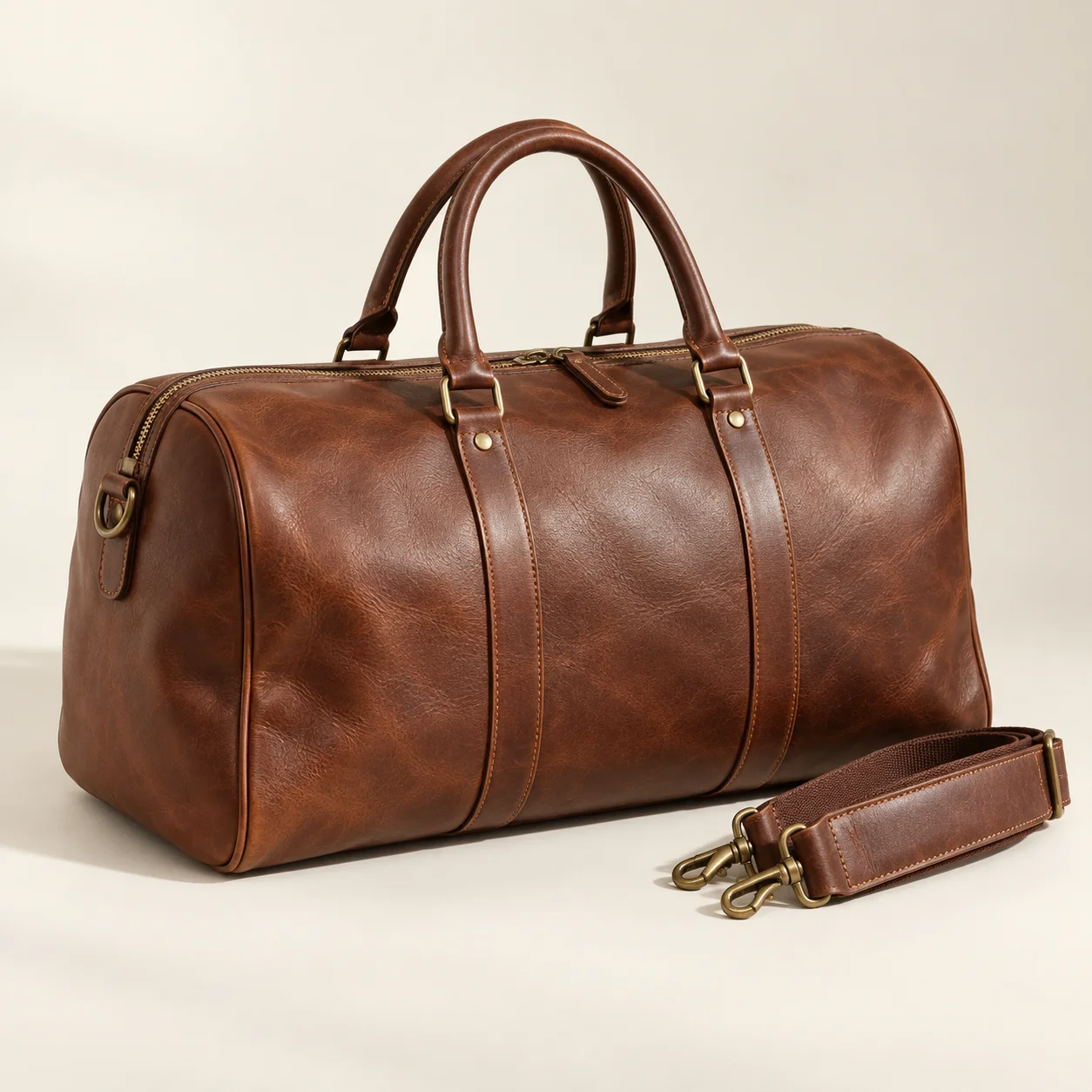
Full-Grain vs. Genuine Leather: What Is the Difference?
Understand the crucial differences between Full-Grain and Genuine Leather. Learn why one lasts a lifetime while the other peels in months.
When shopping for a leather wallet, bag, or belt, you will often see the terms "Full-Grain Leather" and "Genuine Leather." To the uninitiated, they might sound similar—after all, "genuine" means real, right? But in the leather industry, these terms represent two very different ends of the quality spectrum.
Understanding the difference between Full-Grain vs. Genuine Leather is the key to avoiding disappointment. One is a material that can last a lifetime and improve with age, while the other is often a short-lived product destined for the landfill. Let's break down exactly what sets them apart.
The Quality Hierarchy: A Quick Overview
- Full-Grain Leather: The highest quality grade. It comes from the top layer of the hide and includes the full, natural grain. It is durable, breathable, and develops a beautiful patina.
- Genuine Leather: The lowest quality grade of real leather. It is made from the bottom layers of the hide (the split) that are left over after the top grain is removed. It is often sanded, painted, and stamped with a fake grain pattern.
What is Full-Grain Leather?
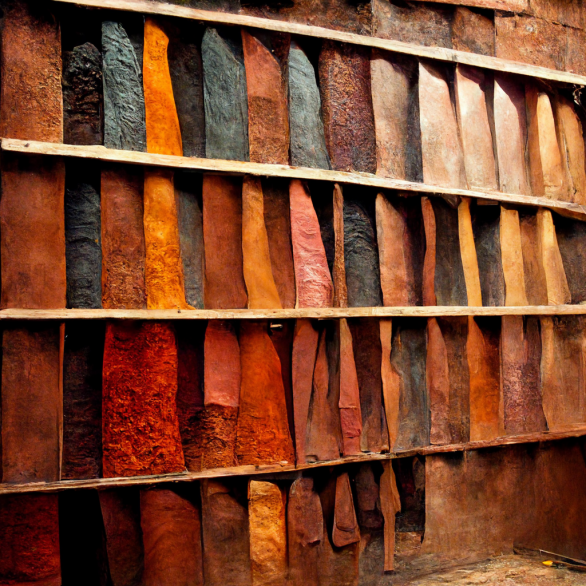
Full-Grain Leather is the real deal. It utilizes the outermost layer of the animal hide, which contains the strongest and most densely packed fibers. Because this layer is left intact (not sanded or buffed), it retains the natural markings and texture of the hide.
This natural surface is what makes full-grain leather so special. It is incredibly resistant to moisture and wear. Over time, it absorbs oils from your hands and environment, developing a rich, glossy sheen known as a patina. A full-grain leather wallet purchased today will likely look even better in ten years.
What is Genuine Leather?
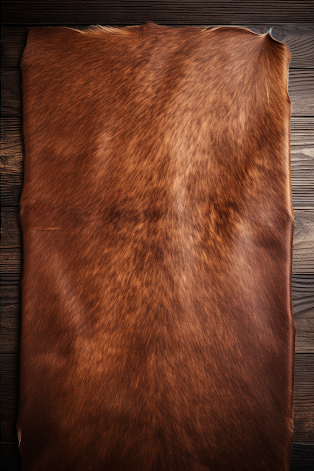
Genuine Leather is often a marketing trick. While it is technically made from real leather, it is usually the "fast food" equivalent of the material. It is made from the fibrous inner layers of the hide that remain after the top grain has been split off for higher-quality goods.
Because these inner layers lack the strong natural grain, the surface is often coated with heavy polyurethane paints and stamped with an artificial leather texture. This coating makes it look uniform initially, but it prevents the leather from breathing or developing a patina. Instead of aging gracefully, genuine leather tends to crack, peel, and look worn out after a year or two of use.
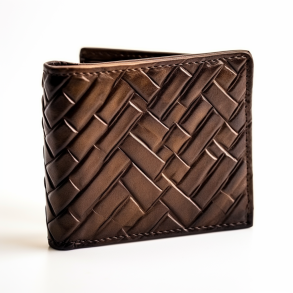
Detailed Comparison Table
| Feature | Full-Grain Leather | Genuine Leather |
|---|---|---|
| Source | Top layer of the hide (strongest part) | Lower split layers (weaker part) |
| Durability | Extremely durable (10-30+ years) | Low durability (1-3 years) |
| Surface | Natural, un-sanded, unique markings | Corrected, painted, stamped pattern |
| Aging | Develops a rich patina | Cracks, peels, color fades |
| Breathability | High (natural pores open) | Low (sealed with plastic) |
| Cost | $$$ - Investment | $ - Cheap |
How to Tell the Difference When Shopping
- Check the Price: If a "leather" jacket costs $50, it is almost certainly Genuine (or faux) leather. Full-grain is expensive to produce.
- Look at the Grain: Full-grain has a random, natural pore structure. Genuine leather often has a repeating, perfect pattern.
- The Fingernail Test: Press your fingernail into the leather. Full-grain will leave a mark that fades slowly. Genuine leather often feels hard or bounces back instantly due to the plastic coating.
- Smell It: Full-grain smells rich and earthy. Genuine leather can smell like chemicals or plastic.
The Verdict: Which Should You Choose?
Choose Full-Grain Leather If:
You want a product that will last a lifetime. If you are buying a daily-carry item like a wallet, belt, or boots, full-grain is the only choice that makes sense financially in the long run. It ages with you and tells your story.
Choose Genuine Leather If:
You are on a very strict budget or buying a trendy item you only plan to use for a season. It is acceptable for fashion accessories where longevity is not the priority.
Ultimately, the bitterness of poor quality remains long after the sweetness of low price is forgotten. Investing in full-grain leather ensures you get a product that stands the test of time.
Learn More
What is Full-Grain Leather?
How to Identify Full-Grain Leather

Senior leather care specialist at ChicCuir with 15 years of experience in heritage leather restoration.