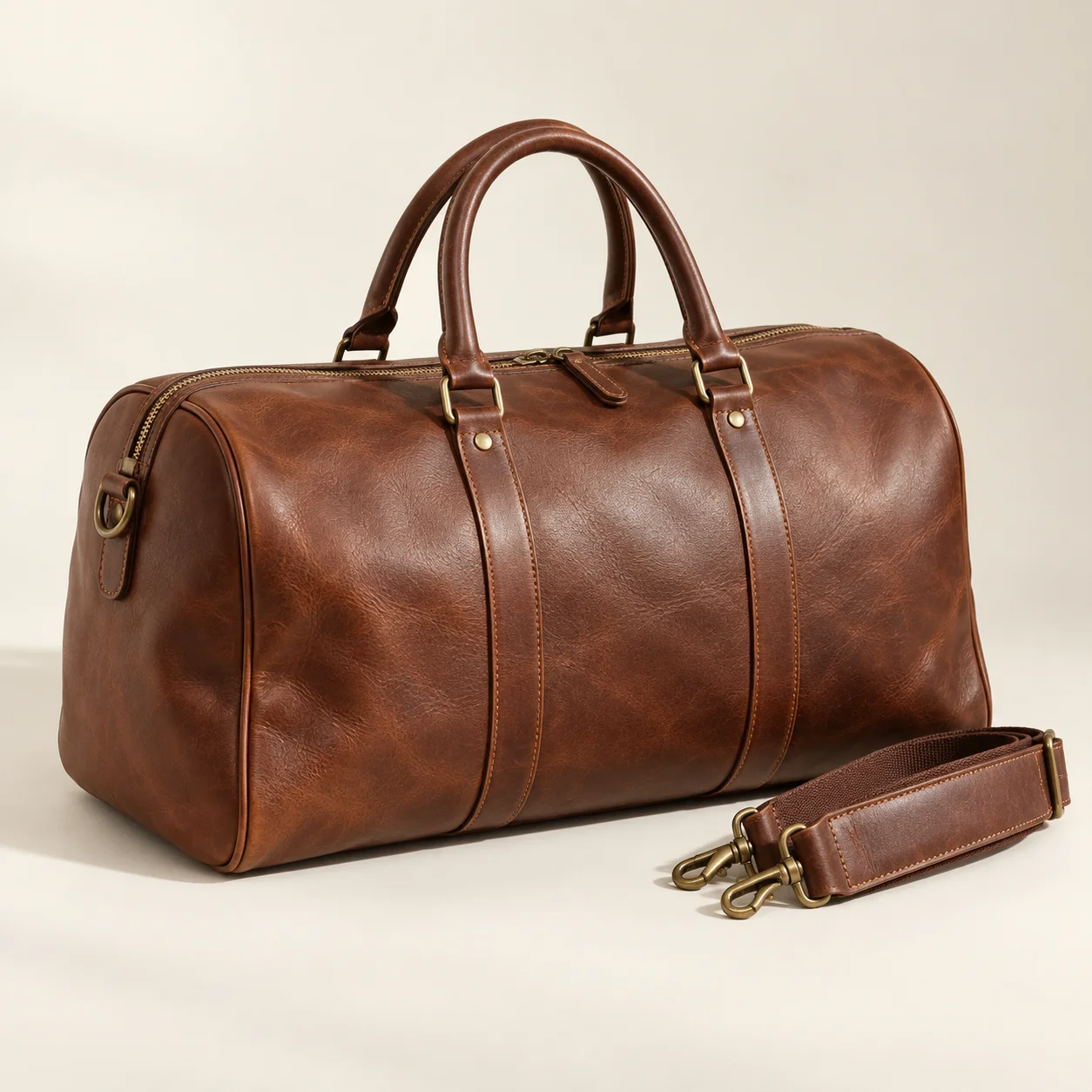
How to Choose the Best Leather Men's Wallet: The Ultimate Buying Guide
Discover how to choose the best leather men
Your wallet is more than just a functional accessory; it's a daily companion that speaks volumes about your style and attention to detail. Whether you're pulling it out for a business lunch or a casual coffee date, the right wallet combines practicality with aesthetic appeal. But with terms like "genuine leather," "full-grain," and "top-grain" thrown around, finding the best leather men's wallet can feel like navigating a minefield.
Don't worry—we've got you covered. This comprehensive men's leather wallet buying guide will walk you through everything you need to know, from decoding leather grades to selecting the perfect style for your needs.
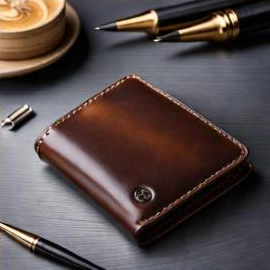
1. Understand Your Leather: Quality Matters
Not all leather is created equal. The longevity and look of your wallet depend heavily on the grade of leather used. Here is the breakdown of leather grades so you know exactly what you're paying for:
Full-Grain Leather (The Gold Standard)
This is the crème de la crème of leather. Full-grain leather comes from the top layer of the hide and includes all the natural grain. Because the surface hasn't been sanded down, the fibers remain intact, making it incredibly durable.
- Durability: Resists tearing and moisture better than any other grade.
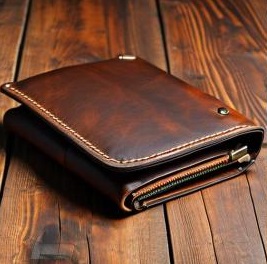
- Aging: Instead of wearing out, it develops a beautiful "patina" (a soft, glossy sheen) over time.
- Character: You might see natural markings like small scars or insect bites, proving its authenticity.
Top-Grain Leather (The Smooth Runner-Up)
Top-grain leather is similar to full-grain but has had the very top layer sanded or buffed away to remove imperfections. This creates a more uniform, "perfect" look that is often preferred for high-end fashion wallets. However, because the strongest fibers have been sanded off, it is slightly less durable than full-grain and won't develop as rich of a patina.
Genuine Leather (The Misleading Term)
Here is the trap: "Genuine Leather" sounds great, but it often refers to the lower layers of the hide (split leather) that are left over after the top grain is removed. These layers are weaker and often have an artificial grain pattern stamped on top. While it is technically real leather, it lacks long-term durability and tends to peel or crack after a year or two.
2. Beyond the Grade: Tanning & Animal Type
Once you've chosen the grade, consider how the leather was processed and where it came from.
Vegetable Tanned vs. Chrome Tanned
- Vegetable Tanned (Veg-Tan): Tanned using natural tree barks and tannins. It takes weeks to produce, smells earthy, and is the best for developing a patina. It is eco-friendly and very durable.
- Chrome Tanned: Tanned using chromium salts in just a few days. It is softer, more pliable, and holds color better, but lacks the natural aging characteristics of veg-tan.
Common Leathers
- Cowhide: The standard for durability and toughness.
- Calfskin: Softer and finer-grained than cowhide, offering a luxurious feel but slightly more delicate.
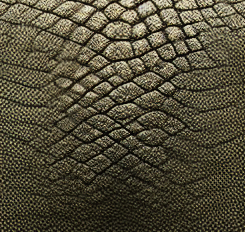
- Exotics (Alligator, Ostrich): Incredible texture and distinctiveness, but come with a much higher price tag.
3. Choose the Right Wallet Style
Form follows function. Once you know your capacity needs, pick a style that complements your lifestyle.
| Style | Best For | Pros | Cons |
|---|---|---|---|
| Bifold | Standard Carrier | Slim profile, classic look, fits most pockets. | Can bulge if overfilled. |
| Trifold | High Capacity Needs | Maximum card/cash storage, often includes ID window. | Bulkier; "Costanza wallet" effect. |
| Cardholder | Minimalist / Front Pocket | Ultra-slim, comfortable, forces decluttering. | Limited space; requires folding cash. |
| L-Fold | Bifold Lovers needing more space | L-shape design offers extra slots without trifold bulk. | Less common, harder to find. |
4. Check for Craftsmanship Indicators
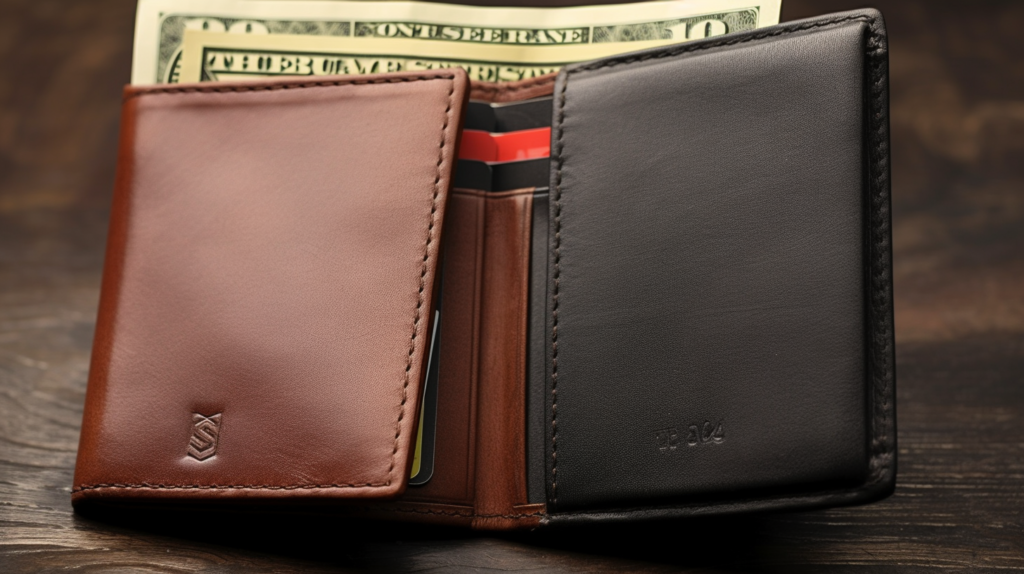
A high-quality leather wallet isn't just about the material; it's about how it's put together. Inspect these details:
- Stitching: Look for tight, even stitching. Nylon or polyester thread is preferred for strength. If you see loose threads or uneven lines, put it back.
- Edges: The edges should be "burnished" (polished and sealed) or "turned" (folded and stitched). Raw, cut edges can fray and absorb moisture, leading to premature wear.
- Lining: A quality wallet often uses leather or durable nylon for the lining. Cheap fabric linings are the first thing to tear.
5. Modern Features: RFID Protection
In the digital age, physical pickpocketing isn't the only threat. Many modern credit cards and IDs have RFID chips that can be skimmed by tech-savvy thieves.
An RFID-blocking wallet contains a layer of carbon fiber or metal mesh that blocks electromagnetic fields, keeping your data safe. While not strictly necessary for everyone, it offers peace of mind for urban commuters and travelers.
Conclusion: Your Perfect Match Awaits
Choosing the best leather men's wallet is an investment in your daily comfort and style. By prioritizing Full-Grain, Vegetable-Tanned leather, assessing your capacity needs, and inspecting the craftsmanship, you can find a wallet that will not only serve you well but will also look better with every passing year.
Ready to start your search? Or perhaps you're feeling adventurous? Check out our guide on How to Make Your Own Leather Wallet for the ultimate custom experience.

Product care educator and master craftsman with a deep passion for leather longevity.