What is the Best Leather for Men's Wallets? A Complete Guide
Discover the best leather for men
When you're shopping for a new wallet, the options can be overwhelming. You'll see terms like "genuine leather," "full-grain," and "top-grain" thrown around, often with vastly different price tags. But what do these terms actually mean, and which one is the best leather for men's wallets?
The type of leather you choose determines not just how your wallet looks when you buy it, but how long it lasts and how it ages. A high-quality leather wallet can last decades and develop a beautiful patina, while a poor-quality one might crack and peel within months.
In this guide, we'll break down the different grades of leather, animal types, and tanning processes to help you find the perfect wallet that balances style, durability, and budget.
The 3 Main Grades of Leather Explained
Leather is generally categorized into three main grades based on the layer of the hide used. This is the most important factor in determining quality and longevity.
1. Full-Grain Leather (The Gold Standard)
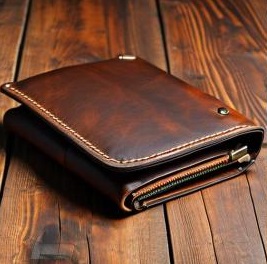
Full-grain leather is widely considered the best leather for men's wallets. It comes from the very top layer of the hide (the epidermis) and is left un-sanded. This means it retains all of the natural grain and the strongest fibers of the skin.
- Maximum Durability: Because the fibers are intact, it resists tearing and moisture better than any other grade.
- Beautiful Patina: Instead of wearing out, full-grain leather wears in. Over time, it absorbs oils and sunlight to develop a rich, glossy sheen known as patina.
- Unique Character: Since the surface isn't sanded, you might see natural markings like small scars or insect bites, proving its authenticity.

2. Top-Grain Leather (The Smooth Runner-Up)
Top-grain leather is the second-highest quality. It is similar to full-grain but has had the very top layer sanded or buffed away. This is done to remove imperfections and create a uniform, smooth appearance.
While it looks more "perfect" initially, the sanding process removes some of the strongest fibers. This makes top-grain leather slightly thinner and more pliable than full-grain, but also less durable in the long run. It is often used in luxury designer wallets where a pristine, consistent look is prioritized over rugged longevity. Note that top-grain leather typically does not develop a patina as well as full-grain.
3. Genuine Leather (The Misleading Term)
Here is where things get tricky. Many consumers see "Genuine Leather" stamped on a product and assume it means "high quality." In the leather industry, Genuine Leather often refers to a lower grade of material.
It is typically made from the lower layers of the hide (split leather) left over after the top grain is removed. These layers are weaker and often have an artificial grain pattern stamped on top to mimic the look of higher-quality leather. While it is technically real leather, it lacks the durability of full-grain and top-grain. It tends to crack and peel after a year or two of heavy use.
Comparison: Full-Grain vs. Top-Grain vs. Genuine
| Feature | Full-Grain | Top-Grain | Genuine Leather |
|---|---|---|---|
| Durability | Highest (10+ years) | High (5-10 years) | Low to Medium (1-3 years) |
| Surface | Natural, textured | Smooth, uniform | Artificially stamped |
| Aging | Develops rich patina | Stays mostly the same | May crack or peel |
| Price | $$$ | $$ | $ |

Beyond the Grades: Animal Types & Exotics
While the grade tells you about the cut of the hide, the animal source determines the texture and feel.
- Cowhide: The most common choice. It’s tough, durable, and reliable. Perfect for everyday carry.
- Calfskin: Sourced from younger animals, this leather is incredibly soft and fine-grained. It feels luxurious but is more delicate than mature cowhide.
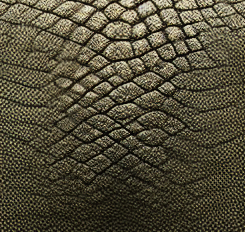
- Exotic Leathers: For those who want to make a statement, exotic leathers like Alligator, Crocodile, and Ostrich offer incredible textures. These are often much more expensive and require specialized care, but they are incredibly durable and distinct.
Tanning Matters: Vegetable vs. Chrome
Finally, how the leather is processed (tanned) affects its character.
Vegetable Tanned Leather (Veg-Tan)
This is the traditional method, using natural tannins from tree bark and leaves. It takes weeks to produce and results in a stiff, hardy leather with a natural earthy smell. Veg-tan leather is the best choice for developing a patina. It is eco-friendly and extremely durable.
Chrome Tanned Leather
This modern method uses chromium salts and takes only a few days. It produces leather that is softer, more pliable, and holds color better than veg-tan. However, it doesn't have the same rich, natural aging process and is less environmentally friendly.
The Verdict: Which Should You Buy?
If you want a wallet that will last for decades and look better every year, choose a Full-Grain, Vegetable-Tanned leather wallet. It offers the best combination of durability, character, and value over time.
If you prefer a softer feel or a very specific bright color and don't mind sacrificing some longevity, a Top-Grain or Chrome-Tanned wallet is a great stylish alternative.
Avoid "Genuine Leather" if you are looking for an investment piece, as it is generally a temporary solution that won't stand the test of time.
Ready to find your next wallet? Now that you know what to look for, you can shop with confidence.

Content director at ChicCuir, passionate about sharing the stories behind our craft.