
How Are Money Clips Designed? A Deep Dive into Mechanics & Materials
Money clips are the epitome of minimalist carry. Compact, efficient, and often stylish, they offer a streamlined alternative to the bulky traditional wallet. But have you ever stopped to wonder, how are money clips designed? From the precise tension...
Money clips are the epitome of minimalist carry. Compact, efficient, and often stylish, they offer a streamlined alternative to the bulky traditional wallet. But have you ever stopped to wonder, how are money clips designed? From the precise tension of the metal to the choice of durable materials, there is a significant amount of engineering and artistry that goes into these small accessories.
Whether you prefer a classic metal fold or a modern carbon fiber piece, understanding the money clip mechanism and design principles can help you appreciate their functionality and choose the right one for your needs.
The Anatomy of a Money Clip: How It Works
At its core, the function of a money clip is simple: to hold folded banknotes and cards securely. However, achieving this requires a careful balance of physics and material science. The primary mechanism at play is tension.
A well-designed money clip must exert enough clamping force to hold a single bill in place, yet be flexible enough to accommodate a thick stack of cash and credit cards without permanently deforming. This is often achieved through:
- Spring Tempering: For metal clips, the material is treated to have "spring memory," meaning it returns to its original shape after being bent.
- Mechanical Hinges: Some designs utilize a hinged lever with a spring to create active compression.
- Magnetic Force: Leather-wrapped clips often use powerful rare-earth magnets to snap the two sides together.

Common Materials in Money Clip Design
The choice of material dictates not only the look of the clip but also its longevity and performance. Designers select materials based on their strength-to-weight ratio, flexibility, and aesthetic appeal.
1. Stainless Steel and Titanium
Metals like stainless steel and titanium are favorites in money clip design due to their incredible durability and resistance to corrosion. Titanium, in particular, is prized for being lightweight yet stronger than steel. These metals can be brushed, polished, or coated for various finishes.
2. Carbon Fiber
For a high-tech, modern look, carbon fiber is an excellent choice. It is extremely lightweight and has a unique woven appearance. More importantly, carbon fiber is non-metallic, which means it won't set off metal detectors—a convenient feature for frequent travelers.
3. Precious Metals
Sterling silver, gold, and platinum are used for luxury money clips. While softer than steel, these materials offer a level of sophistication and can be intricately engraved, making them popular for heirloom pieces.
4. Leather and Magnets
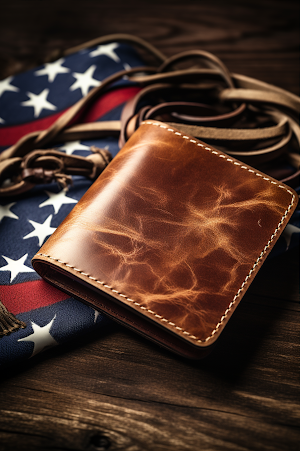
Magnetic money clips are typically encased in leather. The design involves two magnets sewn into the leather flaps. This mechanism is gentle on cash but requires strong magnets to hold a significant stack. Note: Magnetic clips should generally be kept away from credit cards with magnetic strips to avoid demagnetization.

Types of Money Clip Mechanisms
When exploring how money clips work, you'll encounter a few distinct structural designs:
- The Fold: The most traditional design, consisting of a single piece of metal folded over itself. The bend acts as the spring.
- The Hinged Clip: Features a mechanical hinge and a separate spring component. These are often easier to open and can hold more capacity without losing tension.
- The Money Clip Wallet: A hybrid design where a clip is integrated into a slim card holder or bifold wallet, offering the best of both worlds.
The Evolution of Money Clip Design
Money clips have come a long way from their humble beginnings. Early iterations were simple bent pieces of wood or leather used to organize coins and notes. As metallurgy advanced, intricate metal clips became symbols of wealth and status.
Today, innovation continues with the integration of multi-tools, RFID-blocking technology, and smart tracking features. The future of money clip design looks to be even more functional, blending traditional craftsmanship with modern tech needs.

Conclusion
From the tension of a folded steel bar to the snap of a magnetic closure, the design of a money clip is a fascinating study in functional minimalism. Whether you choose one for its sleek profile, its ease of access, or its stylish aesthetic, you can now appreciate the engineering that keeps your cash secure.
Next Up:

Content director at ChicCuir, passionate about sharing the stories behind our craft.