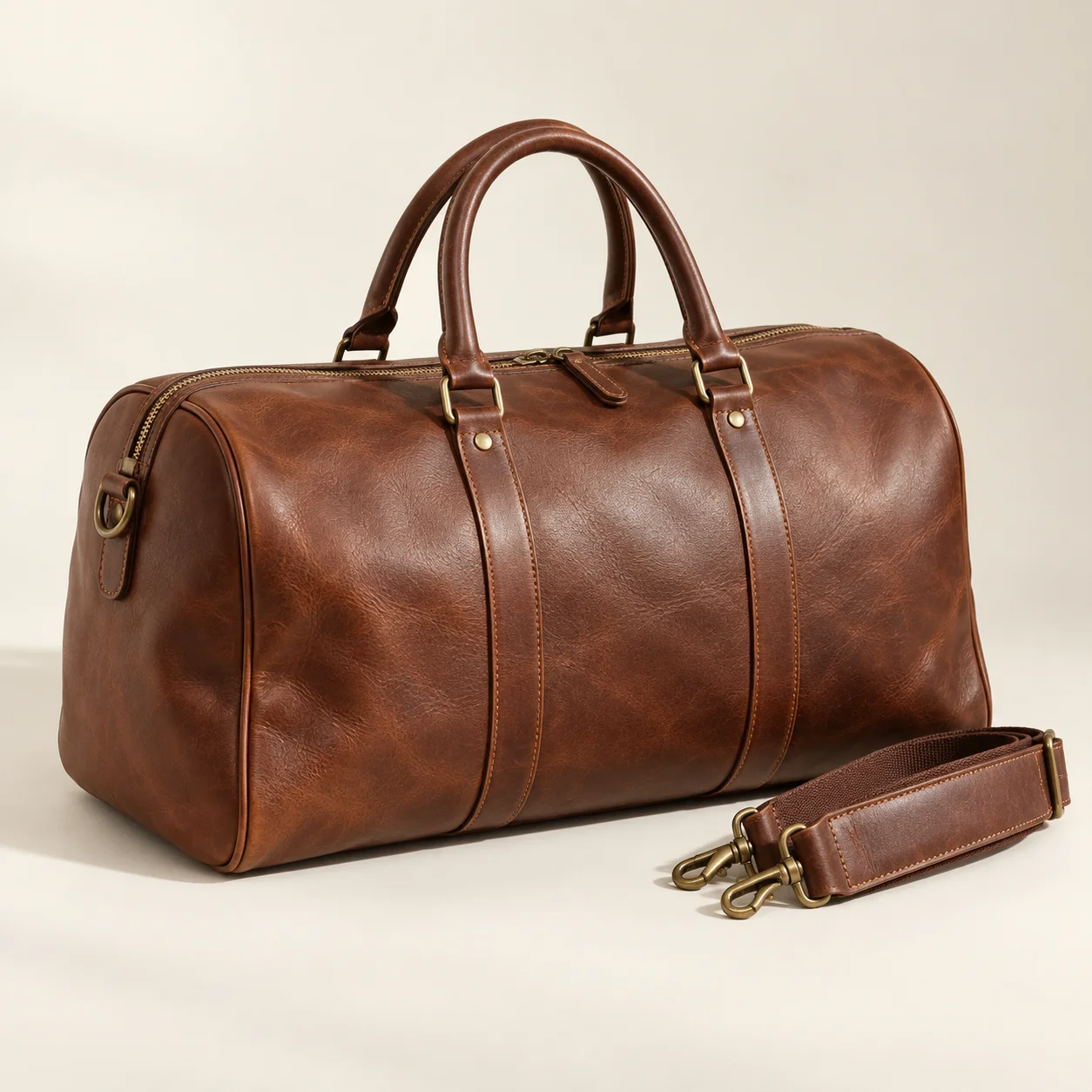
What Materials Are Used in Crafting "Made in USA" Leather Wallets?
When you pick up a leather wallet stamped "Made in USA," you aren't just holding a place to stash your cash—you're holding a piece of American craftsmanship. But what exactly goes into these durable accessories that sets them apart from mass-produced...
When you pick up a leather wallet stamped "Made in USA," you aren't just holding a place to stash your cash—you're holding a piece of American craftsmanship. But what exactly goes into these durable accessories that sets them apart from mass-produced alternatives? It comes down to the ingredients. The best American leather workers are obsessive about their materials, sourcing everything from the hide to the thread with intention and pride.
Let's peel back the layers and explore the specific materials that make American-made leather wallets a benchmark for quality and longevity.
1. The Foundation: Full-Grain Leather
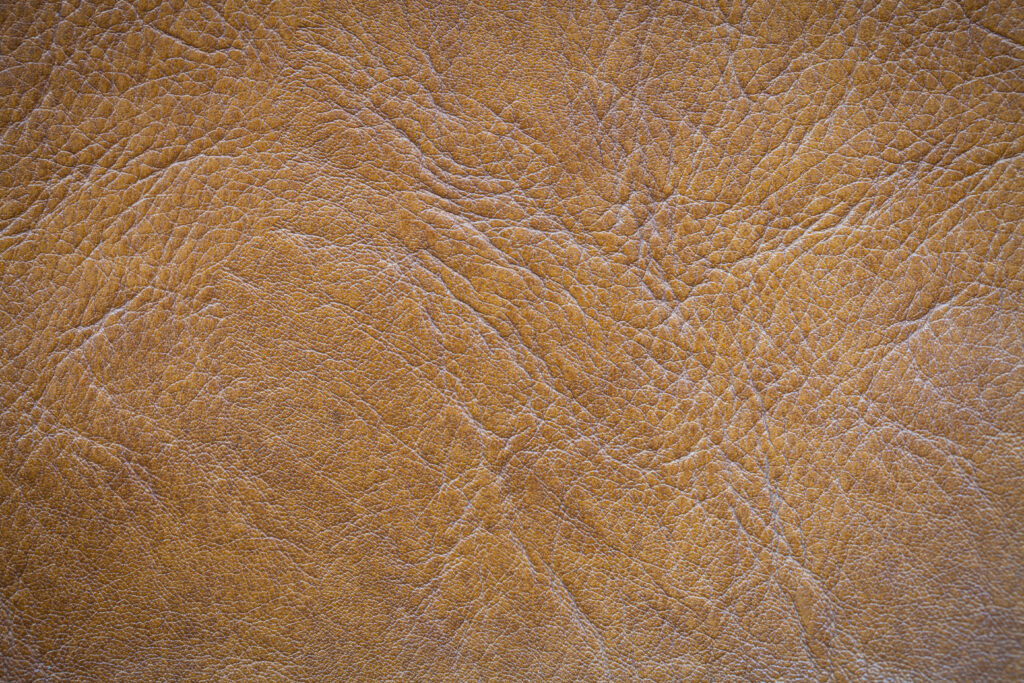
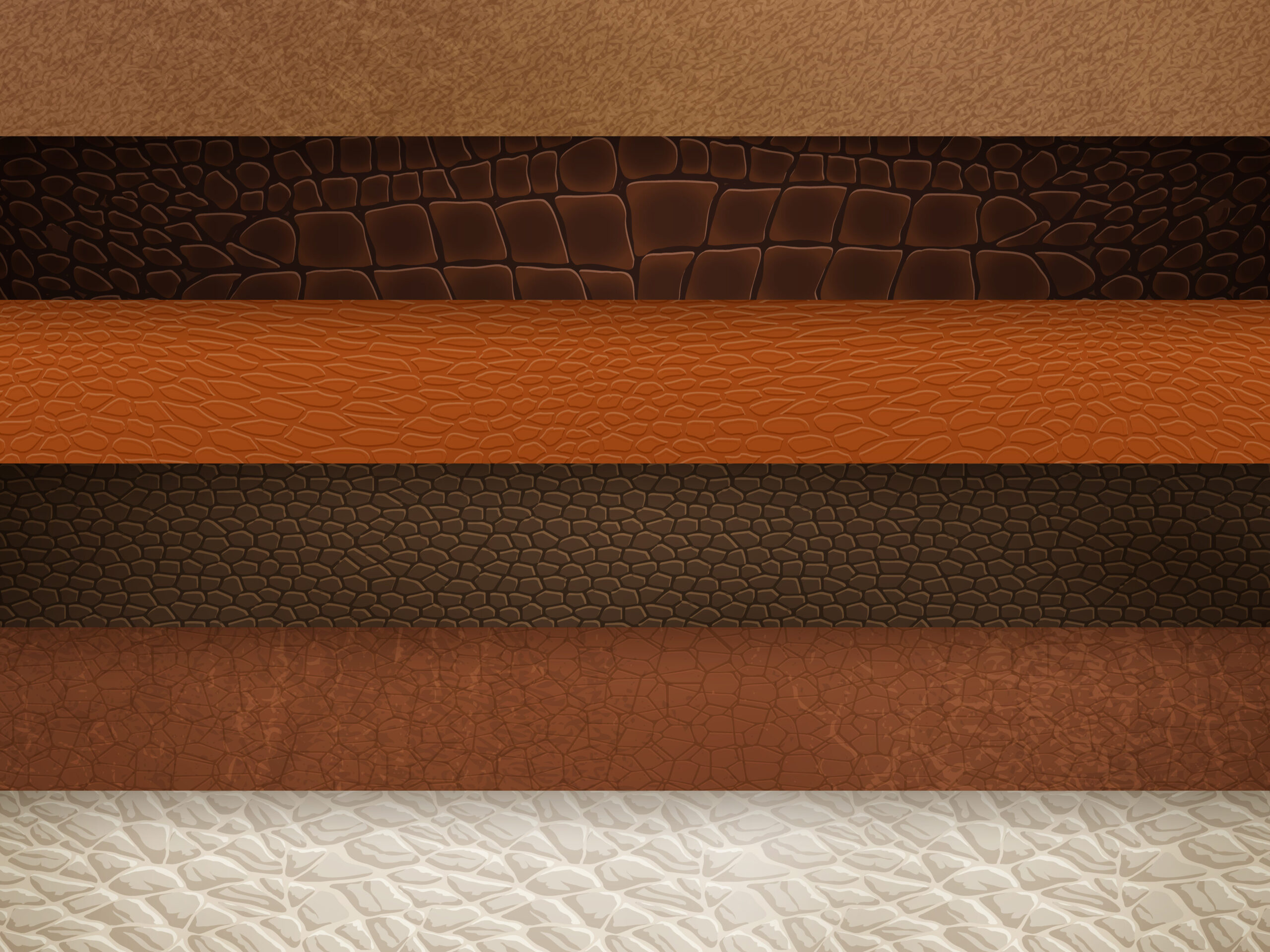
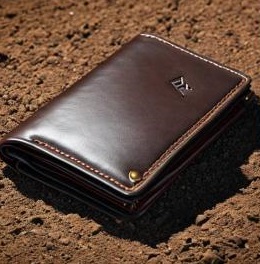
The soul of any premium wallet is the leather itself. In the world of American leathercraft, full-grain leather is the gold standard. Unlike "genuine leather" (which is often a marketing term for lower-quality split layers), full-grain leather includes the outermost layer of the hide. This makes it incredibly durable and resistant to moisture.
More importantly, full-grain leather tells a story. It retains the natural markings of the hide and, over time, develops a rich patina—a soft sheen and darkening that makes every wallet unique to its owner.
Vegetable-Tanned vs. Chrome-Tanned
Most high-end American wallets utilize vegetable-tanned leather (often called "veg-tan"). This traditional method uses natural tannins from tree bark (like oak or chestnut) rather than harsh chemicals. The result is a stiff, sturdy leather that smells earthy and breaks in beautifully.
Some makers also use Chromexcel or other proprietary tannages from legendary American tanneries like Horween Leather Company in Chicago. These leathers are renowned for their "pull-up" effect, where bending the leather displaces oils and creates vibrant tonal shifts.
- Horween Leather Co. (Chicago, IL): Known for Shell Cordovan and Chromexcel.
- Wickett & Craig (Curwensville, PA): Masters of vegetable tanning since 1867.
- Hermann Oak (St. Louis, MO): Famous for their tooling and bridle leathers.
- S.B. Foot Tanning Co. (Red Wing, MN): Known for rugged, oil-tanned leathers often used in boots.
2. The Strength: Industrial-Grade Thread
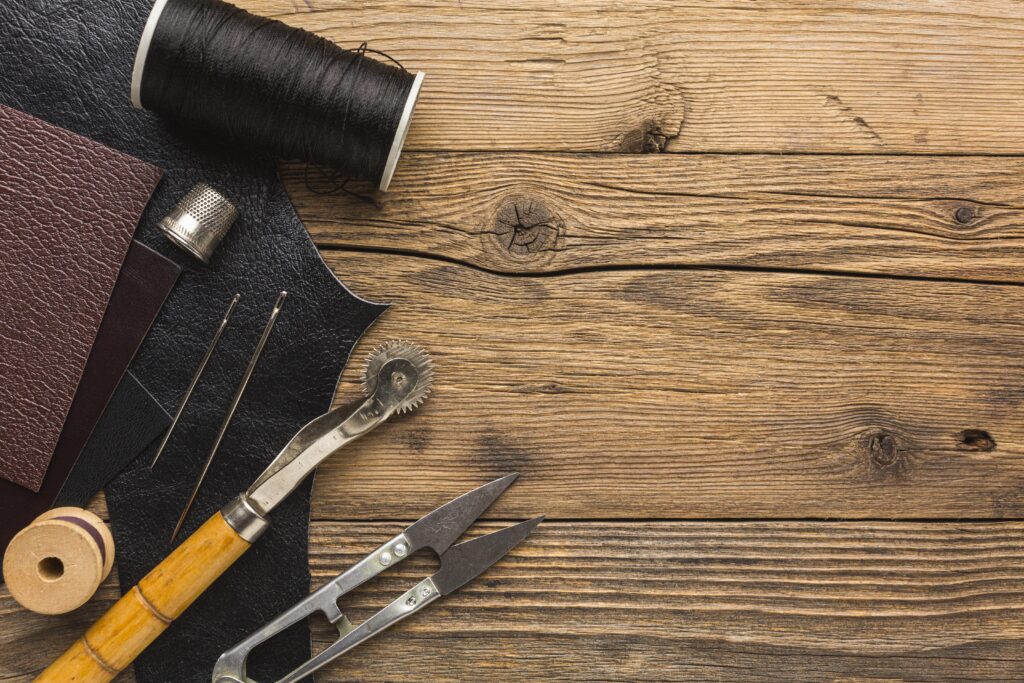
A wallet is only as good as its stitching. If the thread rots or snaps, the wallet fails. American makers typically eschew cheap cotton thread in favor of synthetic bonds that can last a lifetime.
- Bonded Nylon: Extremely strong and resistant to friction and rot. It's the industry standard for durability.
- Polyester: Specifically, waxed polyester thread (like that from the Maine Thread Company) is a favorite among hand-stitchers. It has excellent UV resistance and doesn't stretch over time.
- Linen: Traditional and natural, often waxed with beeswax for added protection.
Many boutique American makers utilize the saddle stitch technique. Unlike a machine lock stitch, which can unravel completely if one loop breaks, a hand-sewn saddle stitch is composed of two independent interlocked threads. If one breaks, the rest hold firm.
3. The Skeleton: Solid Hardware
Cheap wallets often use zinc alloy hardware coated in a thin layer of nickel or gold paint—these eventually chip and flake. Authentic American-made wallets use solid brass, stainless steel, or copper.
Solid brass is particularly prized because, like leather, it patinas over time. Whether it’s a snap closure, a grommet for a chain, or a zipper pull, solid metal hardware ensures that the moving parts of your wallet are as tough as the leather casing. For zippers, brands often turn to YKK USA or high-end Riri zippers for a smooth glide that doesn't jam.
4. The Finish: Edges and Linings
The difference between a mass-market wallet and a handmade American one often lies in the edges. Instead of painting the edges with a rubbery "edge kote" that peels off, American artisans often burnish the edges.
Burnishing involves wetting the leather edge with water, gum tragacanth, or canvas and rubbing it briskly with a wood slicker. This friction heats natural waxes and oils, sealing the leather fibers into a smooth, glossy, hardened edge that never peels.
As for linings, many makers skip them entirely to keep the profile slim and showcase the leather's flesh side. When linings are used, expect durable materials like pigskin, canvas, or even ripstop nylon, rather than the flimsy polyester silk found in department store wallets.
5. Sustainable and Eco-Conscious Choices
Buying American-made is often a sustainable choice by default. The strict environmental regulations in the US (compared to some overseas manufacturing hubs) mean tanneries must manage their waste responsibly. Vegetable tanning, the preferred method for many US artisan wallets, is biodegradable and uses fewer toxic chemicals than standard chrome tanning.
Conclusion: An Investment in Quality
When you buy a wallet made in the USA, you aren't just paying for the labor; you're paying for full-grain leather from historic tanneries, high-tensile waxed thread, and solid brass hardware. These materials are chosen not because they are the cheapest, but because they are the best. The result is an accessory that doesn't just last—it gets better.
Next time you're in the market for a new everyday carry, look for these materials. They are the hallmarks of a wallet built to survive decades in your back pocket.
Next Up: Which regions or cities in the US are renowned for exceptional leather wallet craftsmanship?

Sustainability director at ChicCuir, leading our environmental initiatives and ethical sourcing programmes.