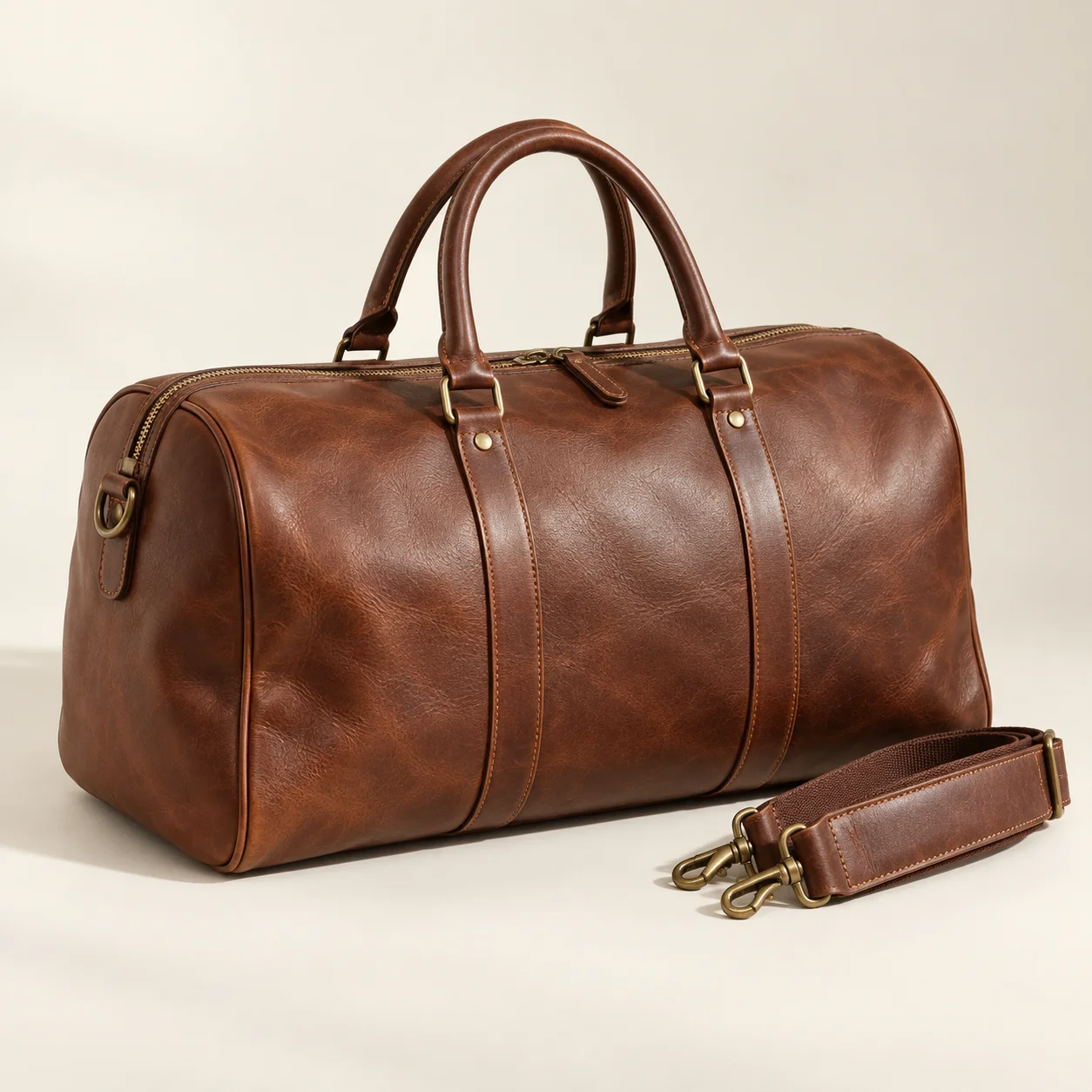
The Evolution of Demand for American-Made Wallets: History & Trends
Explore the history of American-made leather wallets, from their golden age to modern resurgence. Discover the factors influencing demand and the benefits of buying USA-made.
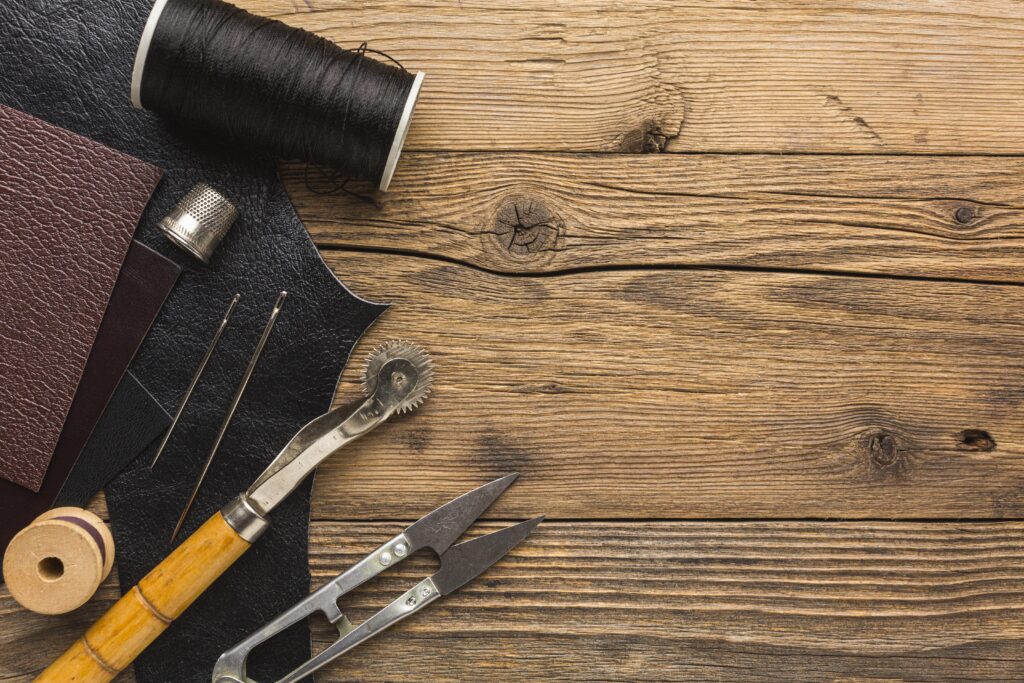
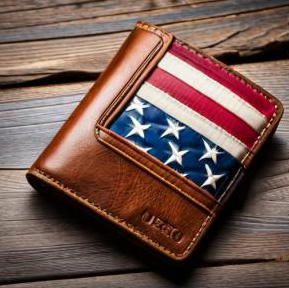
Wallets are an everyday essential, often tucked away in pockets without a second thought to their origin. However, for those who appreciate quality and heritage, American made leather wallets hold a special significance. The demand for these domestic goods has not been a straight line; rather, it has been a fascinating journey influenced by industrial shifts, economic tides, and changing consumer values. This article explores the history of American-made wallets, the factors driving their popularity, and why they are experiencing a modern resurgence.
The Golden Age of American Craftsmanship
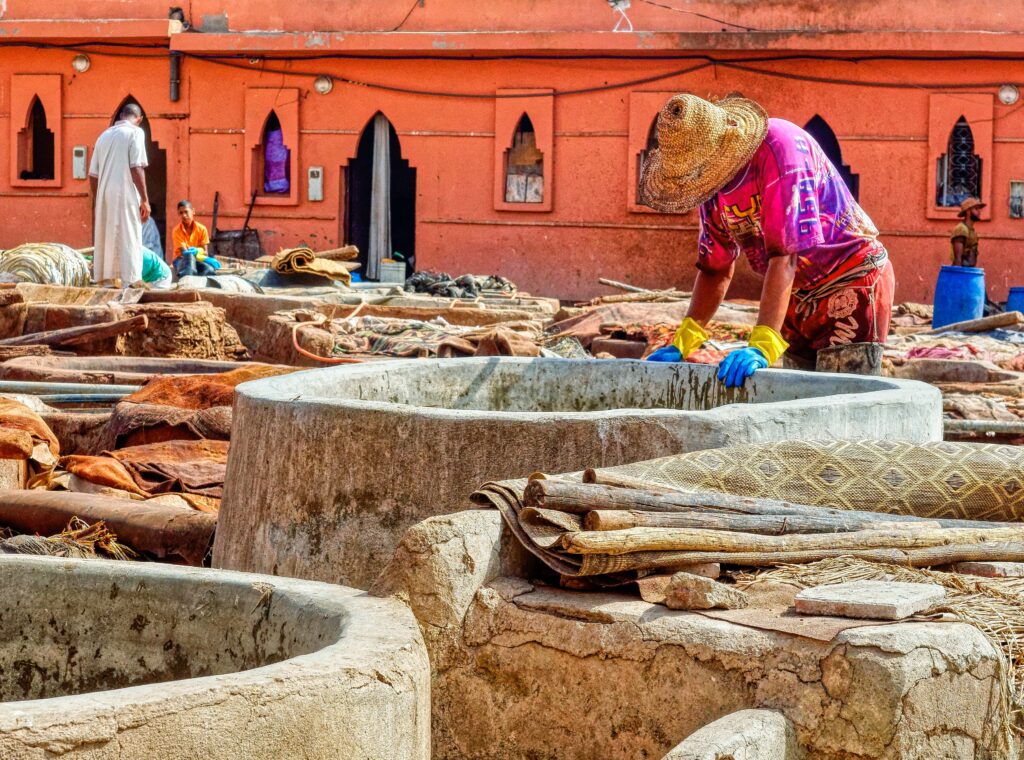
In the 1800s and early 1900s, the concept of "mass-produced" was virtually non-existent. Wallets crafted in the United States were the standard, not the exception. During this era, owning a wallet was a mark of status, often necessary for carrying the newly introduced paper currency.
These early history of American made wallets is defined by artisanal quality. Skilled craftsmen used premium full-grain leather, stitching each piece by hand. A wallet wasn't just a utility; it was an investment. If you carried one, it signaled sophistication and an appreciation for goods built to last a lifetime.
The Industrial Revolution and the Rise of Mass Production
The turn of the century brought the Industrial Revolution, fundamentally changing how goods were produced. Factories began to replace individual artisans, allowing for the mass production of wallets at a fraction of the cost. While this made wallets more accessible to the average American, it also marked the beginning of a shift away from handcrafted quality.
Throughout the mid-20th century, the market was flooded with factory-made options. While many were still produced domestically, the emphasis shifted from unique, durable heirlooms to affordable, functional items. The distinction of "American-made" began to blur as efficiency took precedence over artistry.
Economic Shifts and Patriotism
Demand for American-made goods has often been tied to the nation's economic health and patriotic sentiment. During times of conflict or economic hardship—such as World War II or the Great Depression—the "Buy American" ethos surged. Consumers rallied to support local industries and workers, viewing their purchase of a domestic wallet as a small act of patriotism.
Conversely, periods of economic boom often saw a relaxation of these values. In the prosperous '80s and '90s, the influx of cheaper imported goods offered consumers more variety at lower prices. For many, the origin of the product became secondary to the price tag, leading to a dip in demand for domestic leather goods.
The Modern Resurgence: Benefits of American Made Wallets
In recent years, we have witnessed a significant resurgence in the popularity of USA-made leather wallets. This isn't just nostalgia; it's a conscious shift in consumer behavior driven by several key factors:
1. Superior Quality and Durability
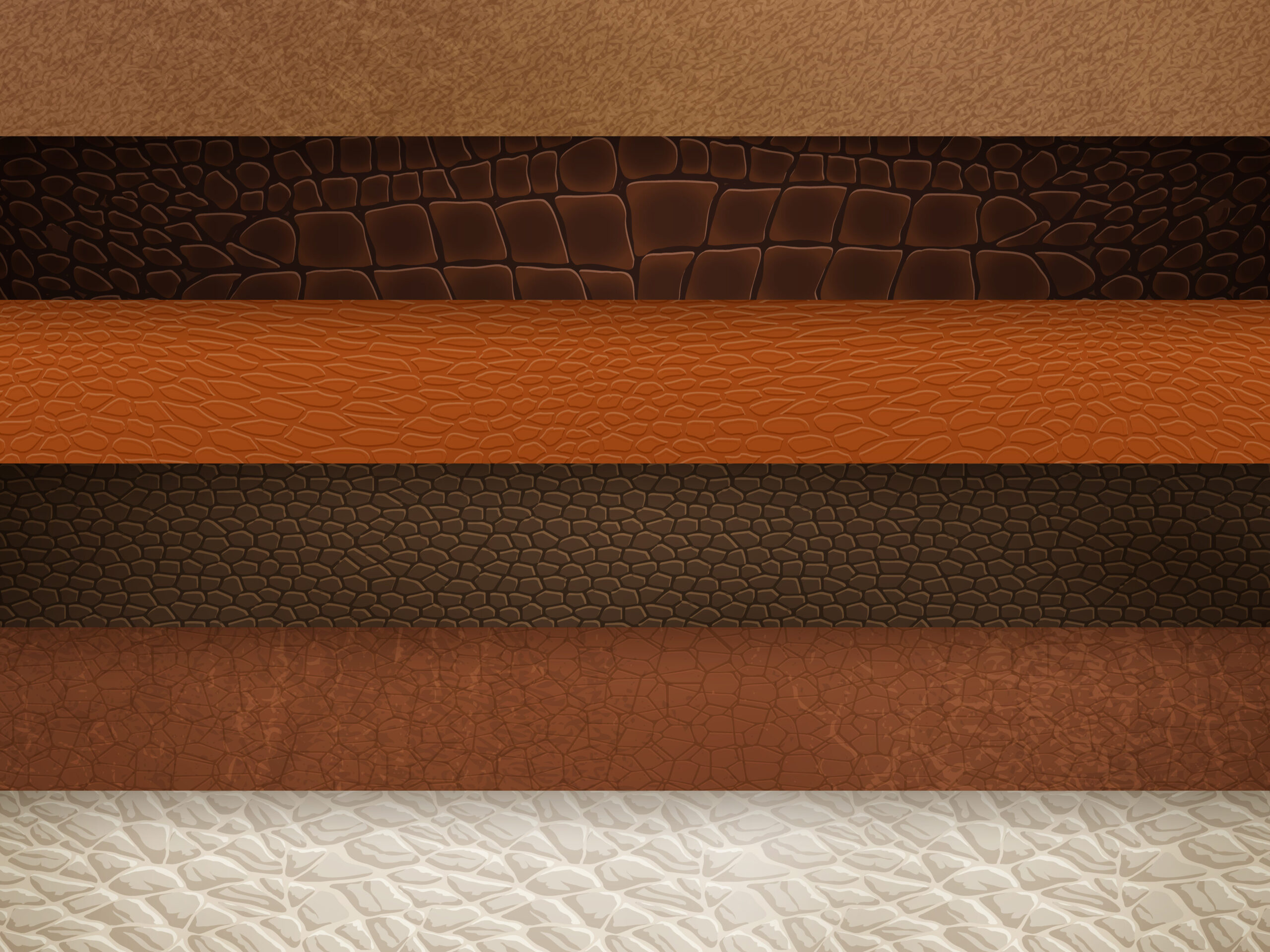
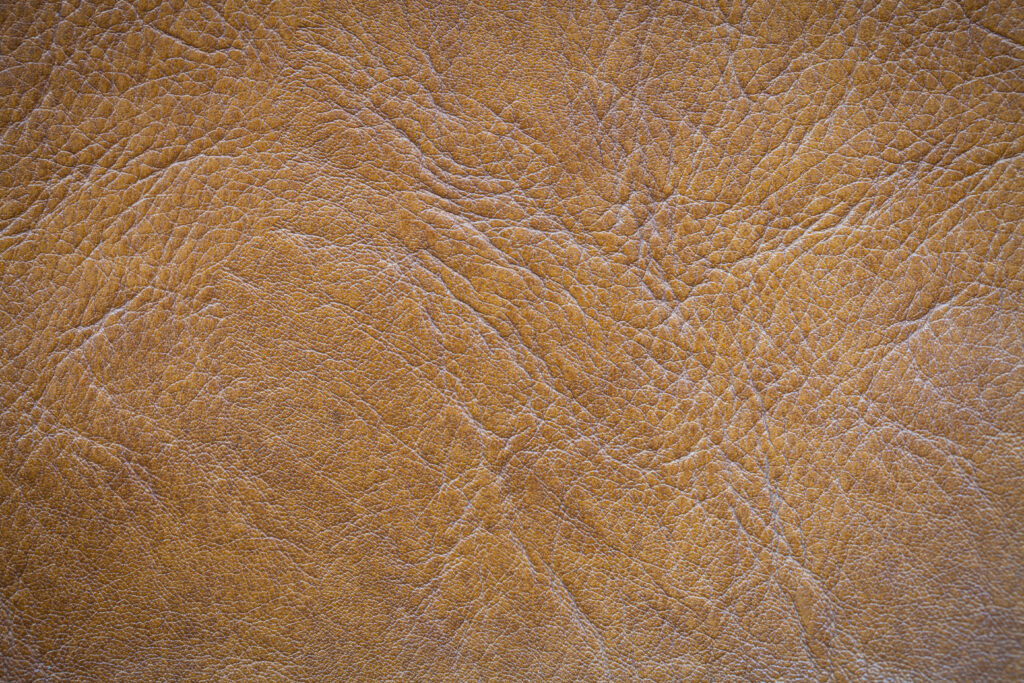
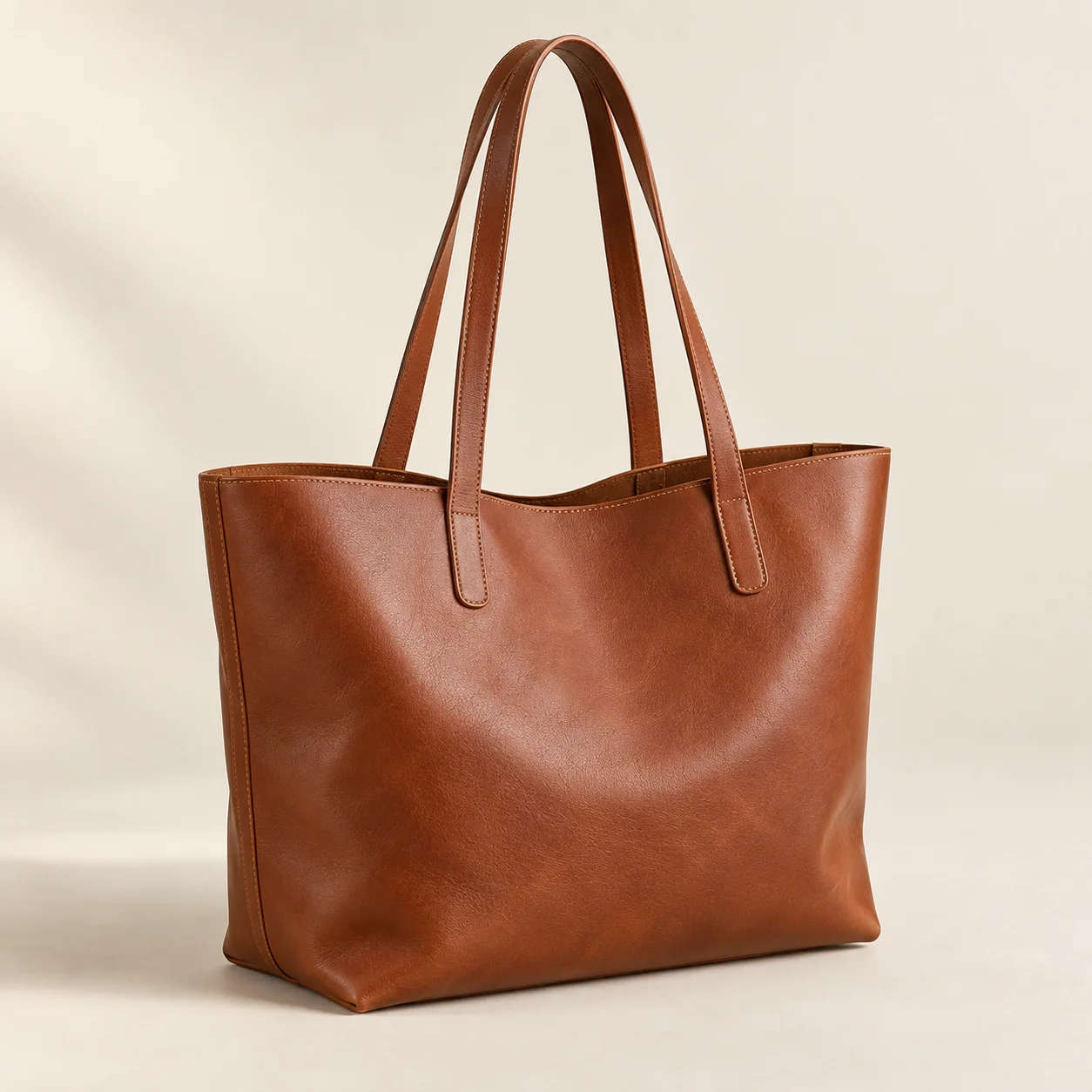
One of the primary benefits of American made wallets is their longevity. Unlike mass-produced imports that may use bonded or genuine leather (lower quality tiers), American artisans typically use full-grain or top-grain leather. These materials develop a rich patina over time and can last for decades, offering better value in the long run.
2. Ethical Manufacturing and Sustainability
Modern consumers are increasingly aware of the environmental and human cost of fast fashion. Buying American often ensures:
- Fair Labor Practices: Workers are paid fair wages and work in regulated conditions.
- Lower Carbon Footprint: Goods don't need to be shipped across oceans, reducing transportation emissions.
- Sustainable Sourcing: Many US makers source hides from local tanneries that adhere to strict environmental standards.
3. Customization and Personal Connection
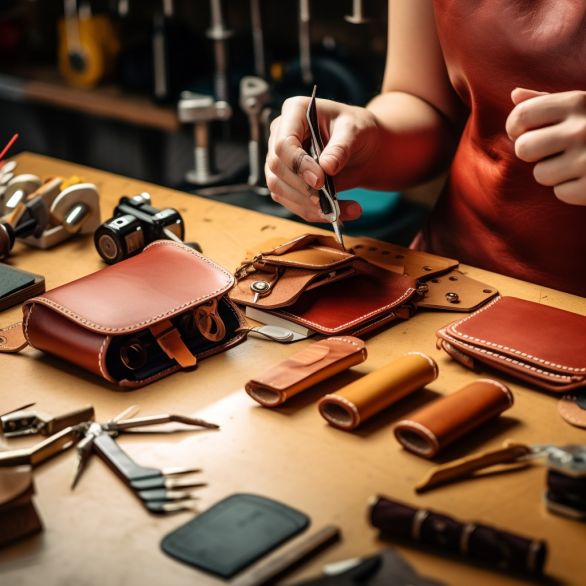
Today's buyers value uniqueness. Many American wallet makers offer customization options, from monograms to specific leather choices. There is also a tangible connection between the maker and the buyer—knowing your wallet was handcrafted by a specific artisan adds emotional value that a factory-made product cannot match.
Future Trends
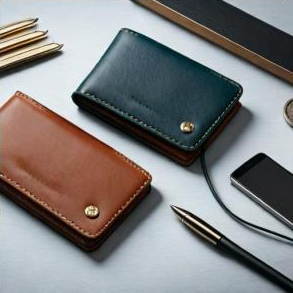
What does the future hold? The trend suggests a continued bifurcation of the market. While cheap, mass-produced wallets will always have a place, the niche for high-quality, American made leather wallets is growing. As consumers become more eco-conscious and quality-focused, the demand for goods that tell a story—goods with a history and a human touch—is likely to remain strong.
Whether driven by fashion trends like minimalism or a desire for sustainable products, the American-made wallet has cemented its place as a symbol of enduring quality in a disposable world.
Next Up:
How do manufacturers make sure people know their leather products are really made in the USA?
How do American-made wallets cater to various customer style, size, and organizational preferences?

Travel and culture writer covering artisan traditions across the Mediterranean.