How Manufacturers Prove Their Leather Products Are Really Made in the USA
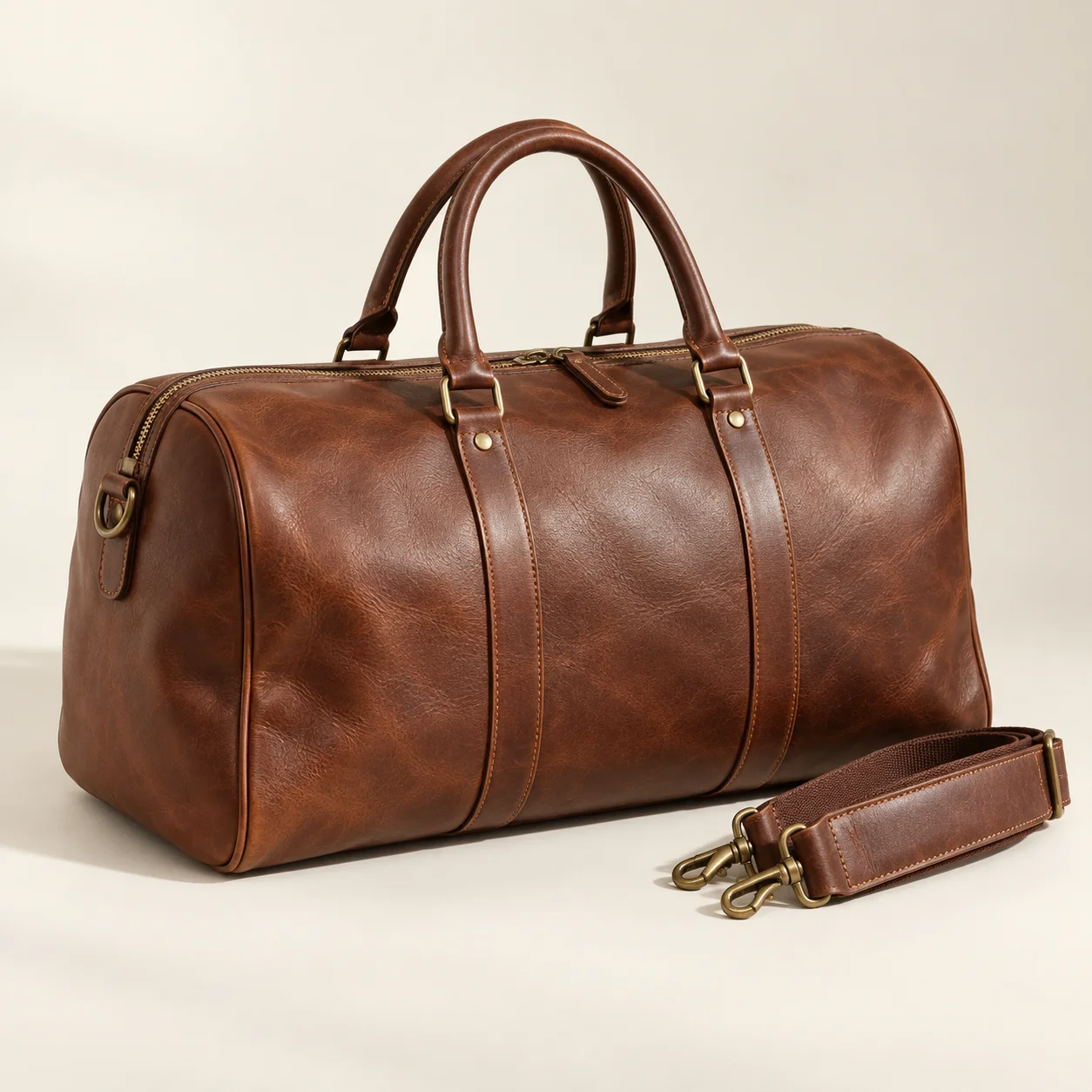
In a global marketplace flooded with mass-produced goods, the "Made in the USA" label has become a symbol of quality, ethical labor, and durability—especially in the leather industry. Whether it's a rugged leather backpack or a sleek wallet, consumer...

The Gold Standard of American Craftsmanship
In a global marketplace flooded with mass-produced goods, the "Made in the USA" label has become a symbol of quality, ethical labor, and durability—especially in the leather industry. Whether it's a rugged leather backpack or a sleek wallet, consumers are increasingly seeking authentic American-made products. But with vague marketing terms like "Designed in the USA" or "Assembled in America" appearing on tags, how can you be certain a product is truly domestic? Legitimate manufacturers use a combination of strict federal compliance, supply chain transparency, and quality verification to prove their goods are the real deal.
The FTC "All or Virtually All" Standard
The most critical way manufacturers prove their origin is by adhering to the Federal Trade Commission (FTC) guidelines. For a leather product to legally carry an unqualified "Made in the USA" claim, it must meet the "all or virtually all" standard. This means:
- All significant parts and processing that go into the product must be of U.S. origin.
- The product should contain no—or negligible—foreign content.
- The final assembly or processing of the product must take place in the United States.
Manufacturers who follow these rules don't just stamp a logo on a box; they maintain rigorous documentation to prove every step of their process meets federal law. If a company uses imported zippers or foreign-tanned leather, they are required to use a qualified claim, such as "Made in USA with imported materials."

Traceability: From Hide to Handbag
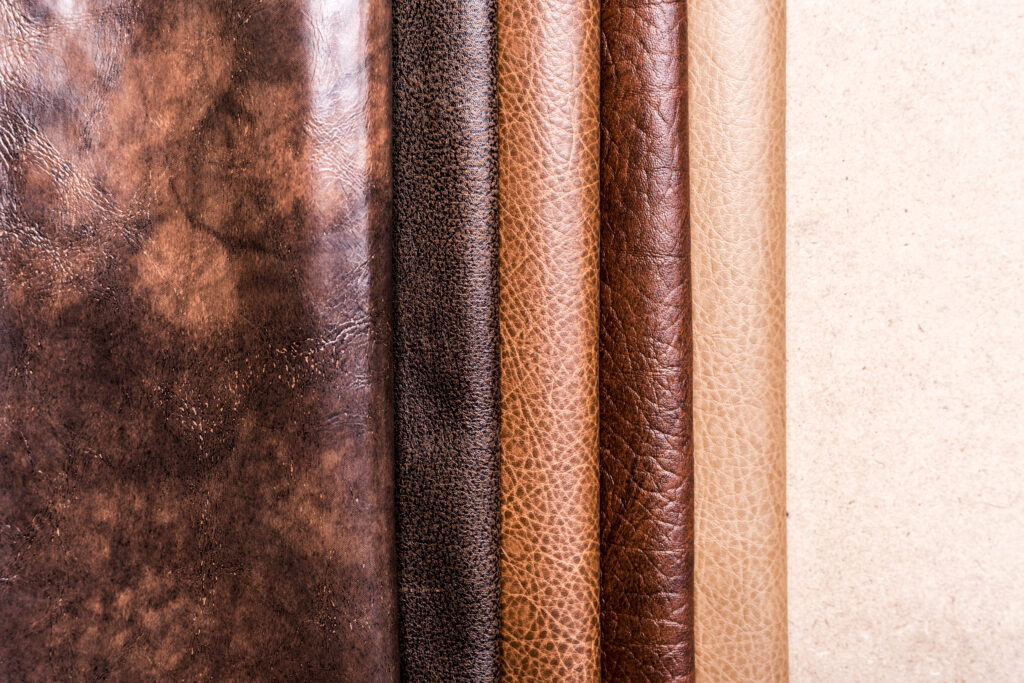
Authenticity starts at the source. The best American leather manufacturers differentiate themselves through supply chain transparency. They don't just buy "leather"; they source hides from American cattle ranches and process them in American tanneries.
By partnering with renowned U.S. tanneries (like Horween or Wickett & Craig), manufacturers can provide a clear lineage for their materials. This "farm-to-factory" tracking is a hallmark of genuine American quality that cheap imports simply cannot replicate.
Quality Control as a Verification Tool
When a manufacturer commits to American production, they are often committing to a higher standard of quality control. In mass-market overseas factories, goods are produced in the thousands with rapid turnaround. In contrast, American leather workshops often employ skilled artisans who inspect every inch of a hide.
Manufacturers use this attention to detail as proof of origin. They showcase:
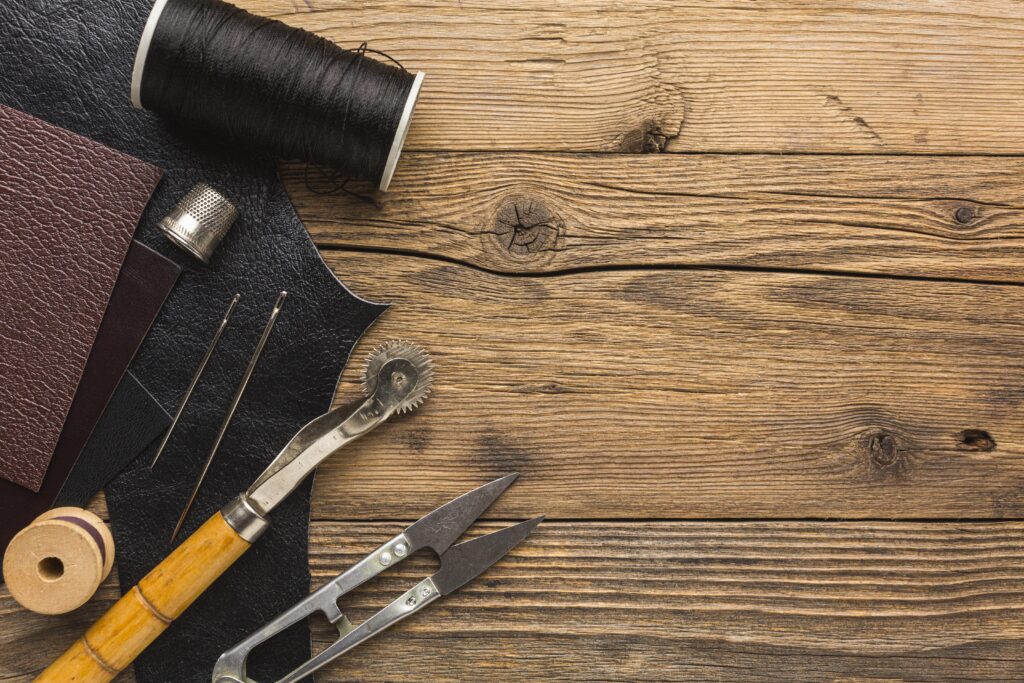
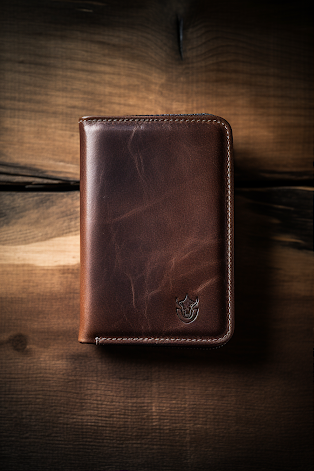
- Hand-finished edges: Burnished and painted by hand rather than machine-sealed.
- Superior hardware: Solid brass or copper rivets sourced from U.S. suppliers.
- Consistent stitching: Often using high-quality thread like bonded nylon, ensuring longevity.
Transparency and Factory Access
One of the most effective ways manufacturers prove their "Made in the USA" status is by opening their doors. In the digital age, transparency is the ultimate verification. Many authentic brands share:
- Behind-the-scenes videos: Showing the cutting, stitching, and finishing processes in their local workshop.
- Factory tours: Inviting customers to visit the production floor and meet the artisans.
- Maker profiles: Highlighting the specific craftspeople who built your product.
If a company is secretive about where their factory is located or cannot show you the production process, it’s a red flag. True American manufacturers are proud to show off their work.
Warranties That Back the Claim
Finally, a strong warranty is often a silent indicator of domestic manufacturing. Because American-made goods are built to last and the manufacturer has direct control over the repair process, they frequently offer lifetime guarantees. A company that imports goods from thousands of miles away often cannot offer repair services effectively. When a brand stands behind its product for life, it's a strong signal that they built it themselves, right here in the USA.
Summary
Genuine "Made in the USA" leather products are defined by more than just a sticker. They are backed by federal FTC compliance, transparent supply chains, superior materials, and a pride in craftsmanship that manufacturers are eager to share. By looking for these signs—specific origin claims, tannery information, and production transparency—you can ensure your investment supports American industry and quality.
Next Up
How do American leather wallets compare to imported wallets in terms of price and value?
How has the demand for American-made wallets changed over time, and what factors influenced this trend?

Senior leather care specialist at ChicCuir with 15 years of experience in heritage leather restoration.