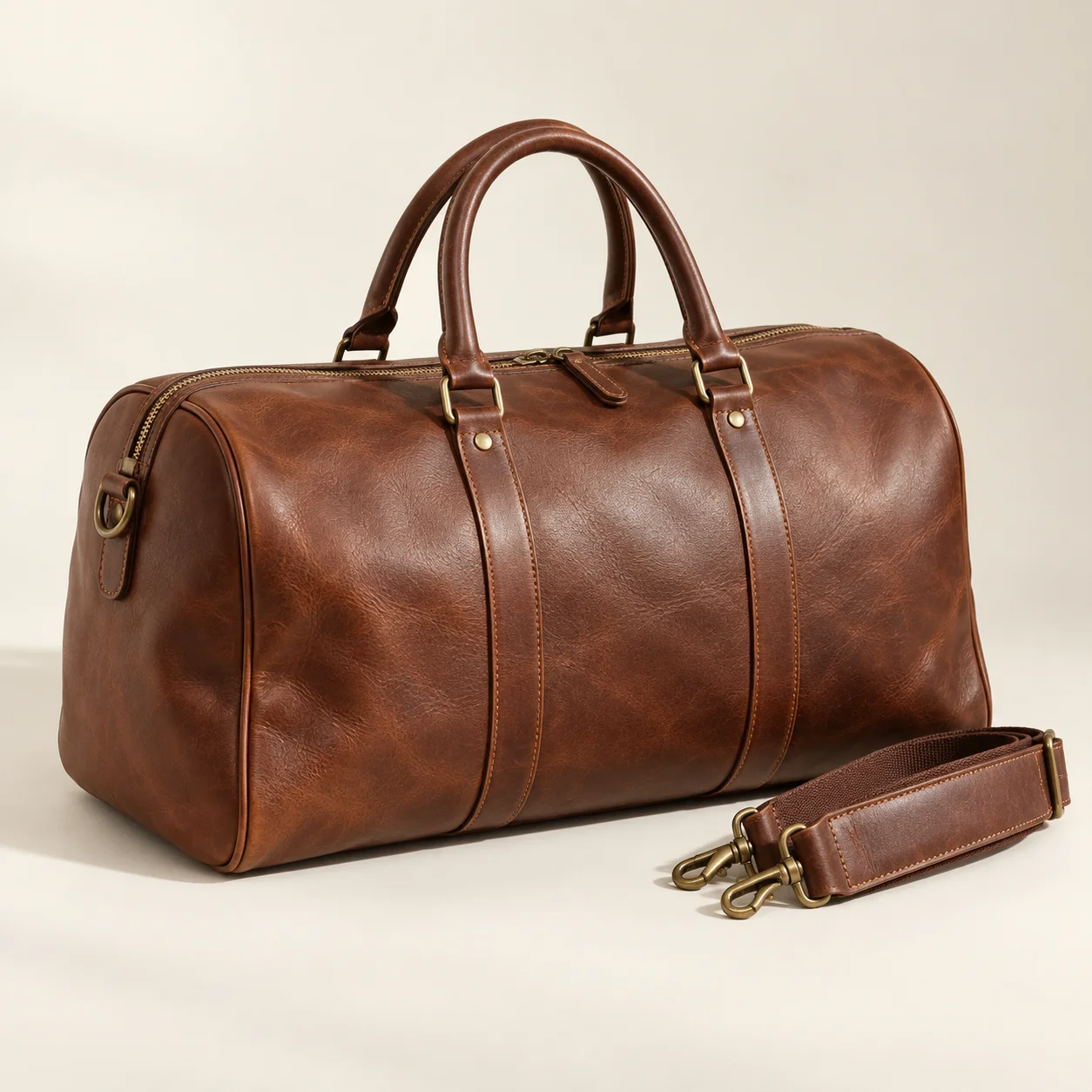
American vs. Imported Leather Wallets: Is the Price Difference Worth It?
Deciding between an American-made leather wallet and an imported one? We break down the differences in price, material quality, craftsmanship, and long-term value to help you choose.
When you’re in the market for a new daily carry, you’re often faced with a stark choice: a budget-friendly imported wallet or a premium, American-made leather wallet that costs significantly more. The price gap can be jarring—sometimes double or triple the cost.
Is an American-made wallet really worth that extra investment, or are you just paying for a "Made in USA" stamp? To find the answer, we need to look beyond the price tag and examine the materials, craftsmanship, and longevity that define true value.
The Price Tag: Sticker Shock vs. Cost Per Wear
Let's address the elephant in the room: price. Imported wallets, particularly those mass-produced in Asia, benefit from lower labor costs and economies of scale. You can pick one up for $20 to $40. In contrast, a handmade American leather wallet often starts at $60 and can go well into the hundreds.
However, the initial price doesn't tell the whole story. If a $30 wallet falls apart after 18 months, you'll buy five or six of them over a decade. A high-quality American wallet, built with full-grain leather and heavy-duty stitching, can last 10, 20, or even 50 years. When you calculate the cost per year of ownership, the "expensive" American wallet often becomes the cheaper option.
Material Quality: Full-Grain vs. "Genuine" Leather
The single biggest factor in a wallet's lifespan is the leather itself.
Why "Genuine Leather" Isn't Enough
Many imported wallets are stamped "Genuine Leather." While technically leather, this is often the lowest grade—split layers bonded with glue and painted to look like skin. It peels and cracks over time.
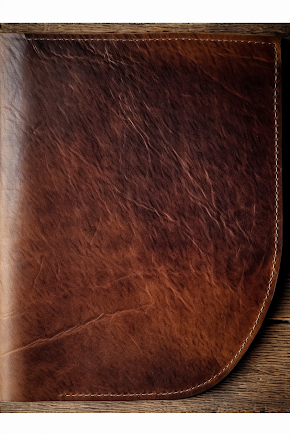
American-made wallets typically use Full-Grain or Top-Grain leather. This is the outermost layer of the hide, which is the strongest and most durable. Instead of wearing out, it wears in, developing a rich patina (a soft sheen and unique character) that makes the wallet look better with age.
Many US artisans source from renowned American tanneries like Horween or Wickett & Craig, ensuring strict quality control that overseas mass production rarely matches.
Craftsmanship: The Devil is in the Stitching
How a wallet is put together is just as important as what it's made of.
- Imported/Mass-Produced: Usually machine-sewn using a "lock stitch." If one loop breaks, the entire line of stitching can unravel. To cut costs, thin nylon or cotton thread is often used.
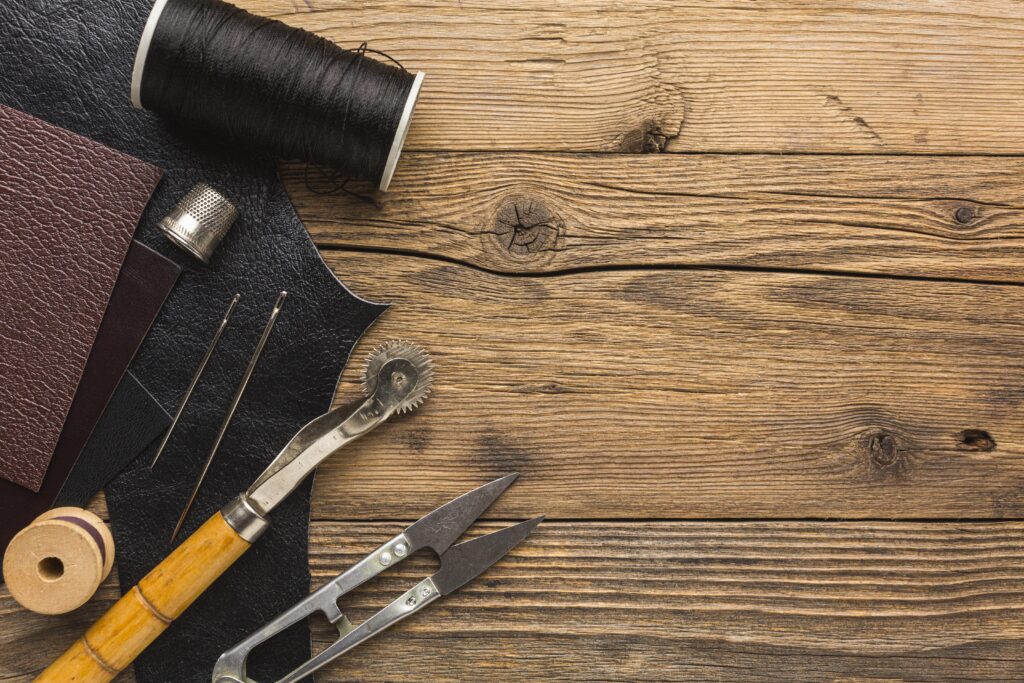
- American Handmade: Often hand-stitched (saddle stitched) or sewn with heavy-duty industrial machines using thick, bonded nylon or polyester thread. Saddle stitching is superior because if one stitch breaks, the rest hold firm.
Ethical and Environmental Standards
Buying American also supports a different set of standards. The US has stricter environmental regulations regarding the tanning process (which can be chemically intensive) compared to many developing nations. American tanneries are required to treat wastewater and manage chemicals responsibly.
Furthermore, American-made goods guarantee fair labor practices. You’re paying for the time of a skilled artisan who is earning a living wage, rather than supporting low-wage factory conditions often found in the fast-fashion supply chain.
Summary Comparison
| Feature | Typical Imported Wallet | American-Made Wallet |
|---|---|---|
| Primary Material | Genuine, Bonded, or Faux Leather | Full-Grain or Top-Grain Leather |
| Stitching | Machine Lock Stitch (Unravels easily) | Saddle Stitch or Heavy Duty (Durable) |
| Longevity | 1–3 Years | 10+ Years / Lifetime |
| Aging | Peels, cracks, looks worn | Develops patina, looks better |
The Verdict: Which Should You Choose?
If you need a temporary solution or are on a strict budget, an imported wallet will serve its purpose. However, if you value durability, sustainability, and owning a unique item that improves with age, an American-made leather wallet is the clear winner.
It’s an investment in quality that pays dividends every time you pull it out of your pocket. You aren't just buying a wallet; you're buying a companion for decades of adventures.
Next Up: How do manufacturers make sure people know their leather products are really made in the USA?

Content director at ChicCuir, passionate about sharing the stories behind our craft.