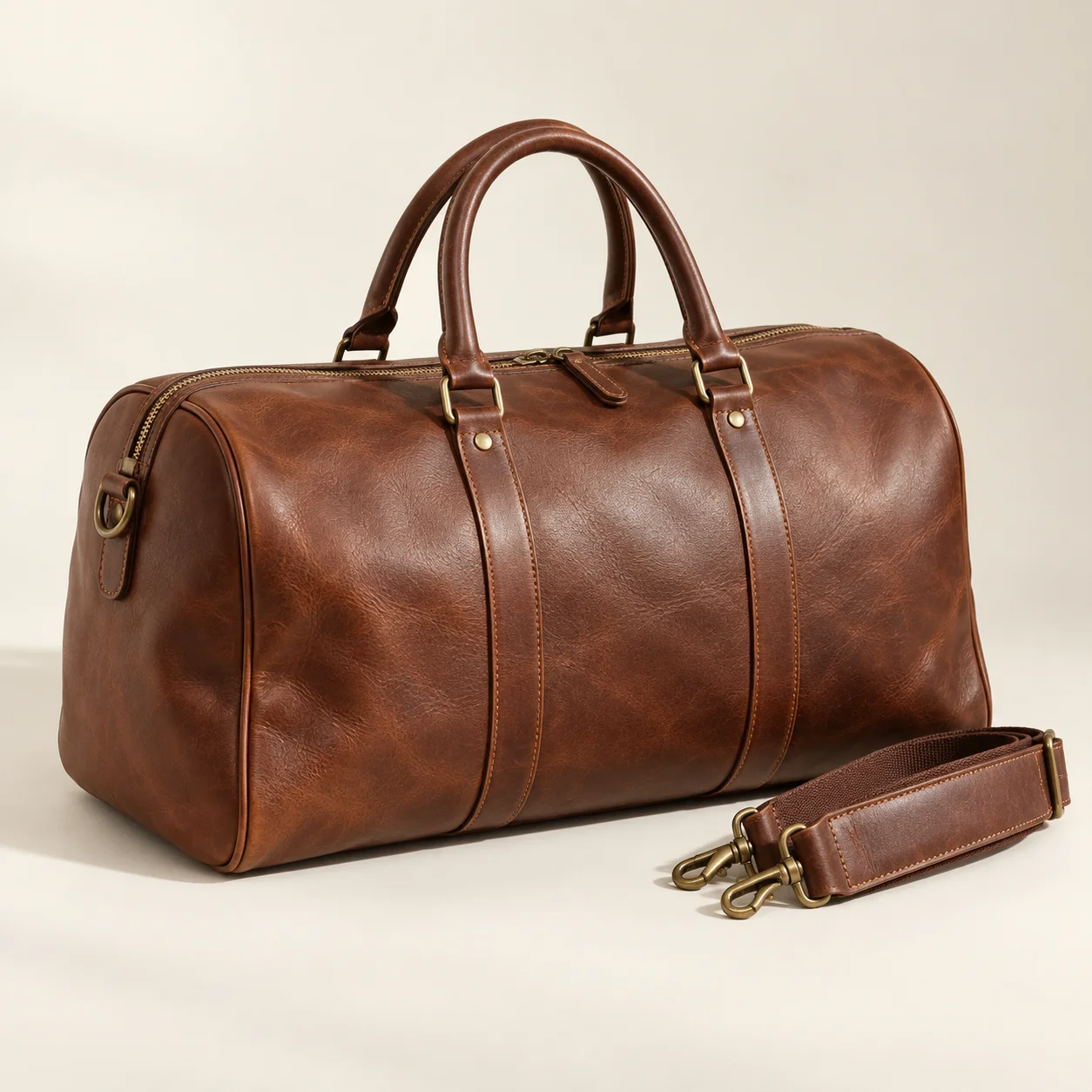
Which materials and construction techniques are commonly used for durable and long-lasting vertical leather bifold wallets?
Finding the perfect wallet is about balancing style, functionality, and longevity. Among the myriad of choices, the vertical leather bifold wallet has emerged as a top contender for modern carry. Unlike traditional horizontal bifolds, these wallets a...
Introduction
Finding the perfect wallet is about balancing style, functionality, and longevity. Among the myriad of choices, the vertical leather bifold wallet has emerged as a top contender for modern carry. Unlike traditional horizontal bifolds, these wallets are designed with a vertical orientation that often fits better in front pockets and suits the dimensions of modern currency and cards. But not all vertical bifolds are created equal. To ensure you're investing in a durable vertical wallet that will stand the test of time, understanding the materials and construction techniques used is crucial.
Why Choose a Vertical Leather Bifold Wallet?
The vertical orientation offers distinct advantages over the classic horizontal design. By aligning with the longer edge of bills (or folding them less aggressively), these wallets often maintain a slimmer profile. This makes them ideal for front-pocket carry, which is better for your back and security. But the real secret to their longevity lies in what they are made of.
The Foundation: Best Materials for Leather Wallets
The most critical factor in a wallet's durability is the quality of the leather. When searching for the best materials for leather wallets, one term stands above the rest: Full-Grain Leather.
Full-Grain Leather vs. Genuine Leather
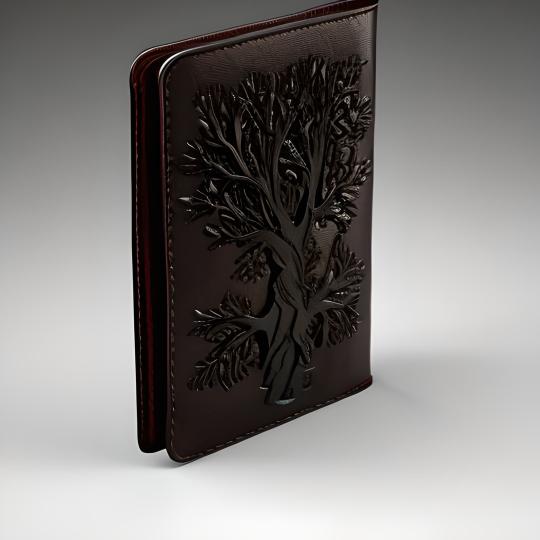
Full-grain leather comes from the top layer of the hide and includes all of the natural grain. This makes it incredibly strong and resistant to moisture. Over time, instead of wearing out, full-grain leather develops a rich patina—a unique sheen that tells the story of your journey. In contrast, "Genuine Leather" often refers to lower-quality, bonded layers that can peel and crack within months of use.
The Thread Matters
Leather is tough, but the thread holding it together must be tougher. High-quality vertical bifolds use industrial-grade bonded nylon or polyester thread. These materials resist rot, UV damage, and abrasion far better than standard cotton thread.
Construction Techniques for Maximum Durability
Even the best leather will fail if the construction is poor. Here are the techniques that separate a masterfully crafted wallet from a mass-produced one.
Stitching: Saddle Stitch vs. Lock Stitch
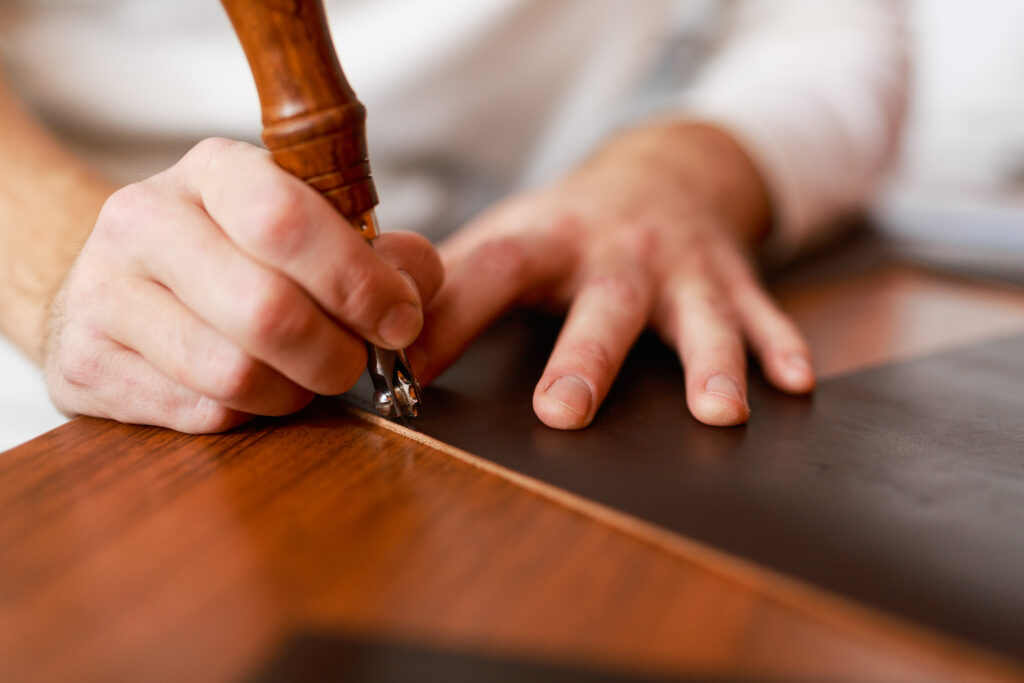
Hand-crafted wallets often feature a saddle stitch. This technique uses two needles passing through the same hole from opposite sides. If one stitch breaks, the others remain intact, preventing the wallet from unraveling. Machine-sewn wallets use a lock stitch, which can unzip if a single loop is broken. For a truly durable vertical wallet, look for saddle stitching or reinforced stress points.
Edge Finishing
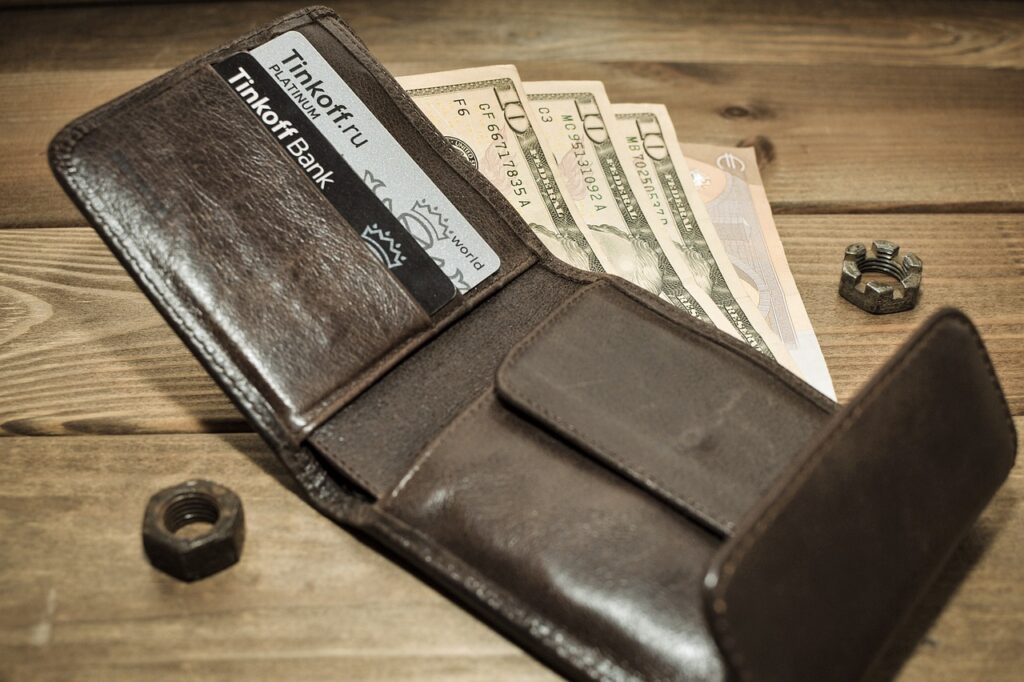
The edges of a wallet are high-wear areas. Quality makers use techniques like burnishing, where the edges are sanded, dyed, and rubbed with wax until smooth and sealed. This prevents the leather layers from separating and protects against moisture. Another durable method is a "turned edge," where the leather is thinned and folded over for a clean look, though burnished edges are often preferred for rugged durability.
RFID Protection
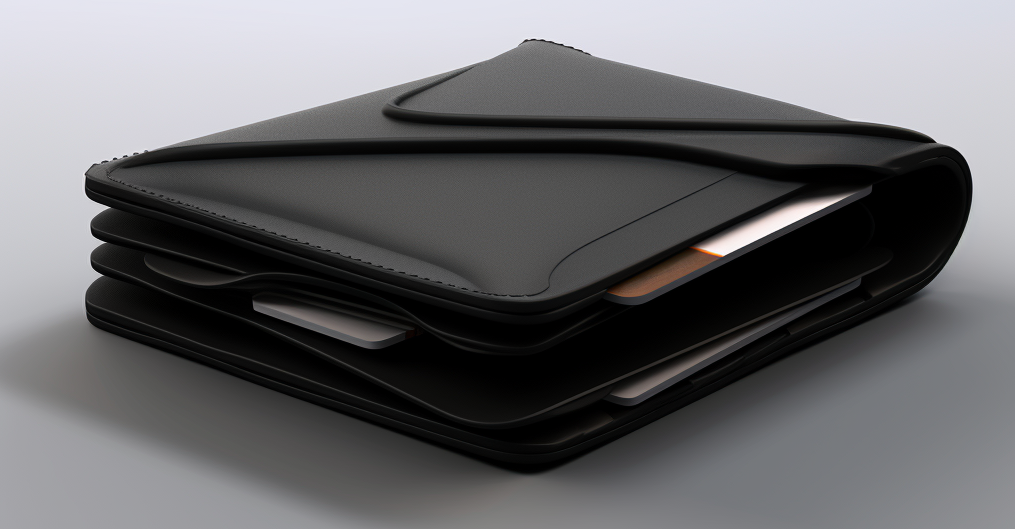
Modern durability also includes digital protection. Many high-end vertical bifolds now incorporate RFID-blocking linings. This layer, often made of a metallic mesh, prevents electronic pickpocketing without adding significant bulk or compromising the leather's structure.
Conclusion
When shopping for a vertical leather bifold wallet, look beyond the brand name. Inspect the materials—insist on full-grain leather. Check the stitching—look for thick, consistent thread work. And examine the edges—they should be smooth and sealed. A wallet built with these construction techniques isn't just an accessory; it's a companion for life.
Next Up
Differences between vertical and horizontal bifold wallets and their impact on user experience.
What is a vertical bifold wallet, and how does it differ from a traditional bifold wallet?

Creative director at ChicCuir, overseeing seasonal collections and brand visual identity.