How Thick is Buffalo Leather? A Complete Guide to Thickness & Weight
Discover how thick buffalo leather really is. Learn about buffalo leather thickness ranges (mm and oz), why it
When shopping for high-quality leather goods, one of the first questions enthusiasts ask is: how thick is buffalo leather? It’s a valid question, especially given buffalo leather’s reputation for extreme durability and strength.
Generally, full-grain buffalo leather is significantly thicker than standard cowhide. While it can be split to any thickness, natural buffalo hides typically range from 2 mm to over 4 mm in their raw state. This impressive buffalo leather thickness is due to the animal's uncommonly thick epidermal layer, which is up to three times thicker than that of a cow.
In this guide, we’ll break down the specific thickness measurements (in millimeters and ounces), compare different weights, and help you understand which thickness is right for your project—whether it’s a rugged belt or a slim wallet.
Buffalo Leather Thickness Chart: MM and Oz
Leather thickness is often measured in millimeters (mm) or ounces (oz). Because buffalo leather is so versatile, you will find it sold in various weight categories. Here is a breakdown of common buffalo leather thickness mm ranges you might encounter:
| Category | Thickness (mm) | Weight (oz) | Best Uses |
|---|---|---|---|
| Light / Garment Weight | 0.9 mm – 1.2 mm | 2 – 3 oz | Jackets, linings, soft bags |
| Medium Weight | 1.8 mm – 2.4 mm | 4.5 – 6 oz | Wallets, notebook covers, boots |
| Heavy Weight | 3.2 mm – 4.0+ mm | 8 – 10+ oz | Belts, straps, saddlebags, flooring |
As you can see, thick buffalo leather (3.5mm and above) is often reserved for items that need to bear weight or hold their shape without stretching, while thinner cuts are used for flexibility.
Why Is Buffalo Leather So Thick?
The secret to the thickness lies in the anatomy of the animal. Whether it comes from the American Bison or the Asian Water Buffalo, the hide is evolved to protect the animal in harsh environments.
Buffalo hides have a distinctively widely-spaced fiber structure. However, their epidermal layer (the top skin) is incredibly thick and hard. This natural thickness means that even when the leather is processed, it retains substantial heft and durability. Unlike cow leather, which relies on dense fibers for strength, buffalo leather relies on the sheer mass and thickness of the skin itself.
Factors That Affect Thickness
Not all buffalo leather products will be super thick. Several factors determine the final thickness of the leather product you buy:
1. The Tanning Process
Vegetable tanned buffalo leather tends to be thicker and firmer. It is often left in its natural state or minimally skived (thinned) to preserve its strength for belts and straps. Chrome tanning, on the other hand, often results in softer, more pliable leather that may be split thinner for garments.
2. Splitting and Skiving
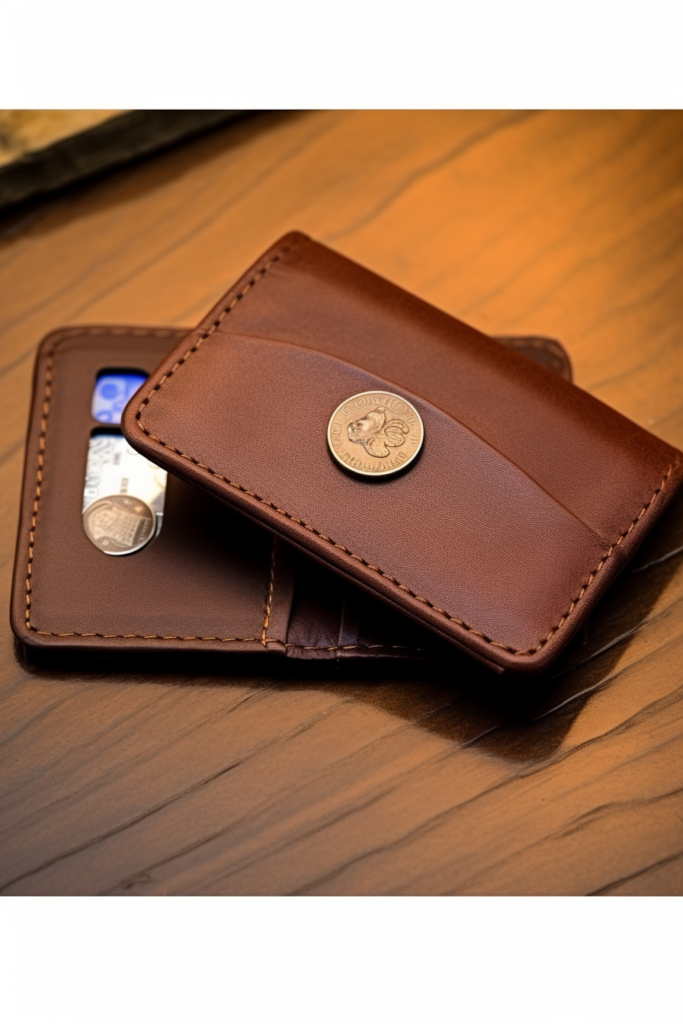
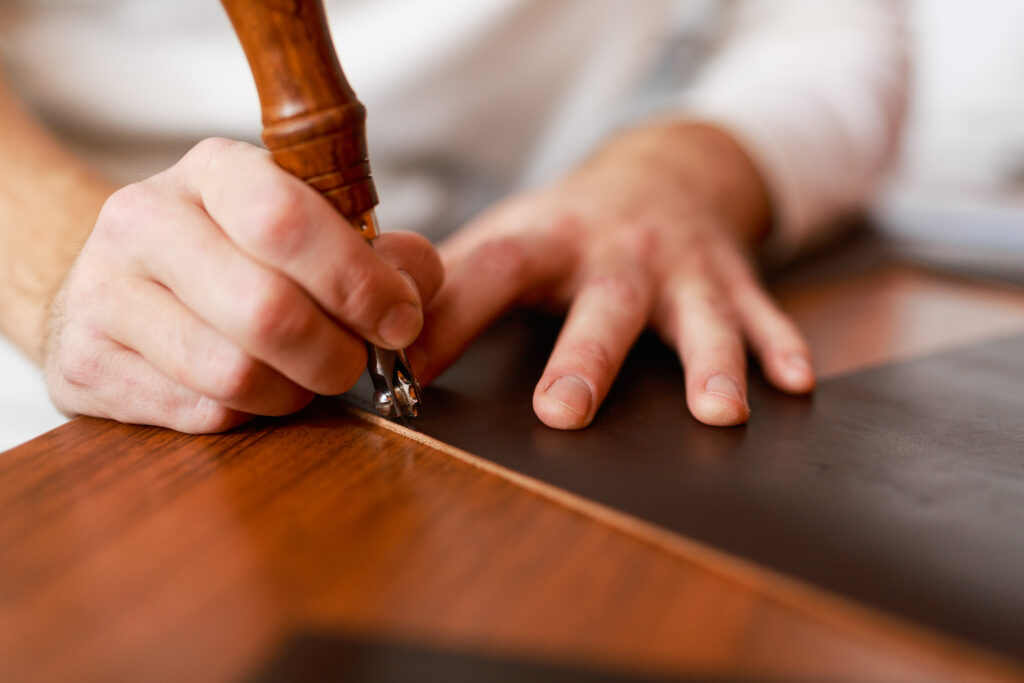
Leather tanneries can "split" hides to any desired thickness. Just because a wallet is made of buffalo leather doesn't mean it has to be bulky. Manufacturers often skive (shave) the leather down to 1.0–1.5 mm to create slim buffalo leather wallets that are still tougher than their cowhide counterparts.
3. Origin of the Hide
Mature bulls will naturally yield thicker hides than younger calves. The specific breed (e.g., Water Buffalo vs. Bison) also plays a role, with Water Buffalo often providing the ultra-thick hides used for heavy-duty industrial leather.
Which Thickness Should You Choose?
If you are a crafter or a buyer, understanding how thick is buffalo leather helps you make the right choice:
- Go for 3.5mm+ (8-9 oz): If you want a belt that won't sag or a holster that keeps its shape. This is the "classic" thick buffalo leather feel.
- Go for 1.8mm - 2.2mm (4-5 oz): If you want a durable wallet or a messenger bag. It offers the perfect balance of toughness and flexibility.
- Go for <1.2mm (2-3 oz): If you are looking for a jacket or a bag lining.
Conclusion
So, how thick is buffalo leather? In its natural form, it is one of the thickest commercial leathers available, often exceeding 4mm. However, thanks to modern tanning and splitting techniques, you can find it in a range of weights to suit any purpose.
Whether you need the raw, heavy-duty strength of a 4mm belt strip or the refined durability of a 2mm wallet, buffalo leather offers a premium, robust option that stands the test of time.
Next Up
Are buffalo leather wallets more suitable for casual or formal occasions?
Does buffalo leather scratch easily?

Creative director at ChicCuir, overseeing seasonal collections and brand visual identity.