Buffalo Leather vs Cow Leather: What is the Difference? Comparison Guide
Detailed comparison of buffalo leather vs cow leather. Learn about the differences in durability, price, texture, and which is better for your wallet.
When shopping for high-quality leather goods, you will frequently encounter two main contenders: buffalo leather and cow leather. While both are derived from bovine animals and share some similarities, they are distinct materials with unique characteristics, strengths, and ideal applications.
Choosing between buffalo leather vs cow leather often comes down to your specific needs. Are you looking for a rugged, virtually indestructible material that develops a rich patina, or a smooth, versatile finish that suits a formal aesthetic? In this comprehensive guide, we break down the key differences in durability, texture, price, and style to help you make an informed decision.
Buffalo Leather vs Cow Leather: At a Glance
| Feature | Buffalo Leather | Cow Leather |
|---|---|---|
| Durability | Extremely High (lasts 20-30+ years) | High (lasts 15-20 years) |
| Texture | Coarse, pebbled grain; distinct markings | Smooth, uniform, fine grain |
| Thickness | Thicker epidermal layer (2-3x thicker) | Thinner, often stretched |
| Price | Generally Higher (rarer) | More Affordable (widely available) |
| Style | Rugged, Casual, Vintage | Classic, Formal, Smooth |
1. Grain and Texture
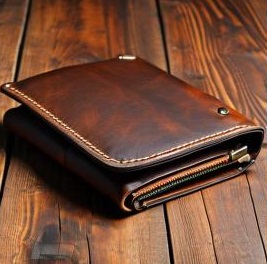
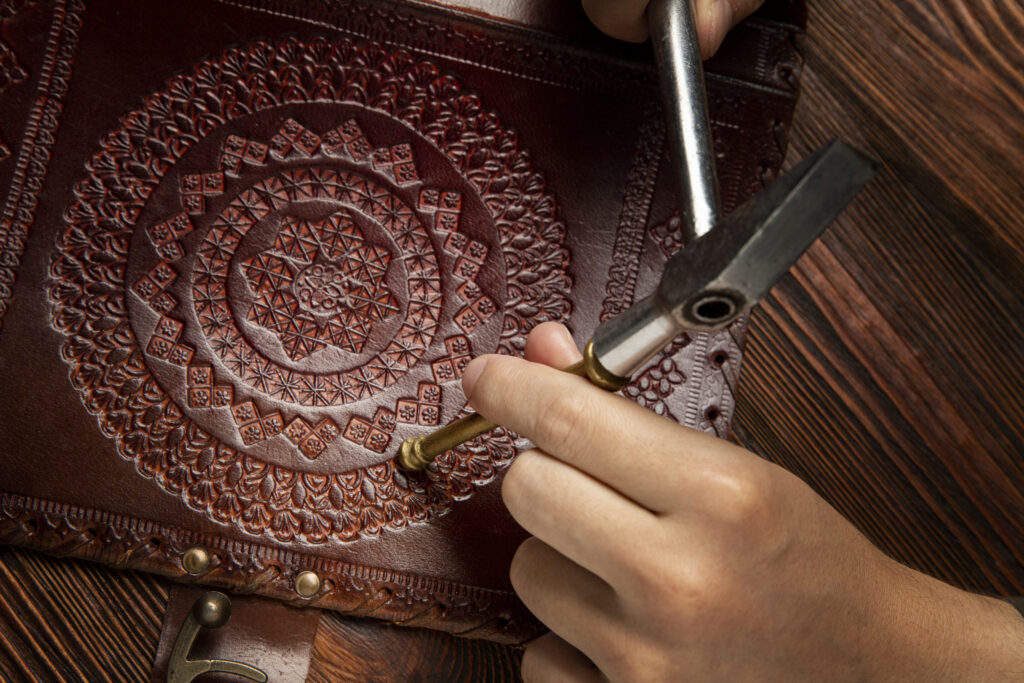
The most immediate visual difference is the grain. Buffalo leather is famous for its distinct, pronounced grain pattern. It often features deep grooves, a pebbled texture, and natural imperfections like wrinkles or scars. These markings are not defects; they are the signature of the animal's rugged life and add character to the final product.
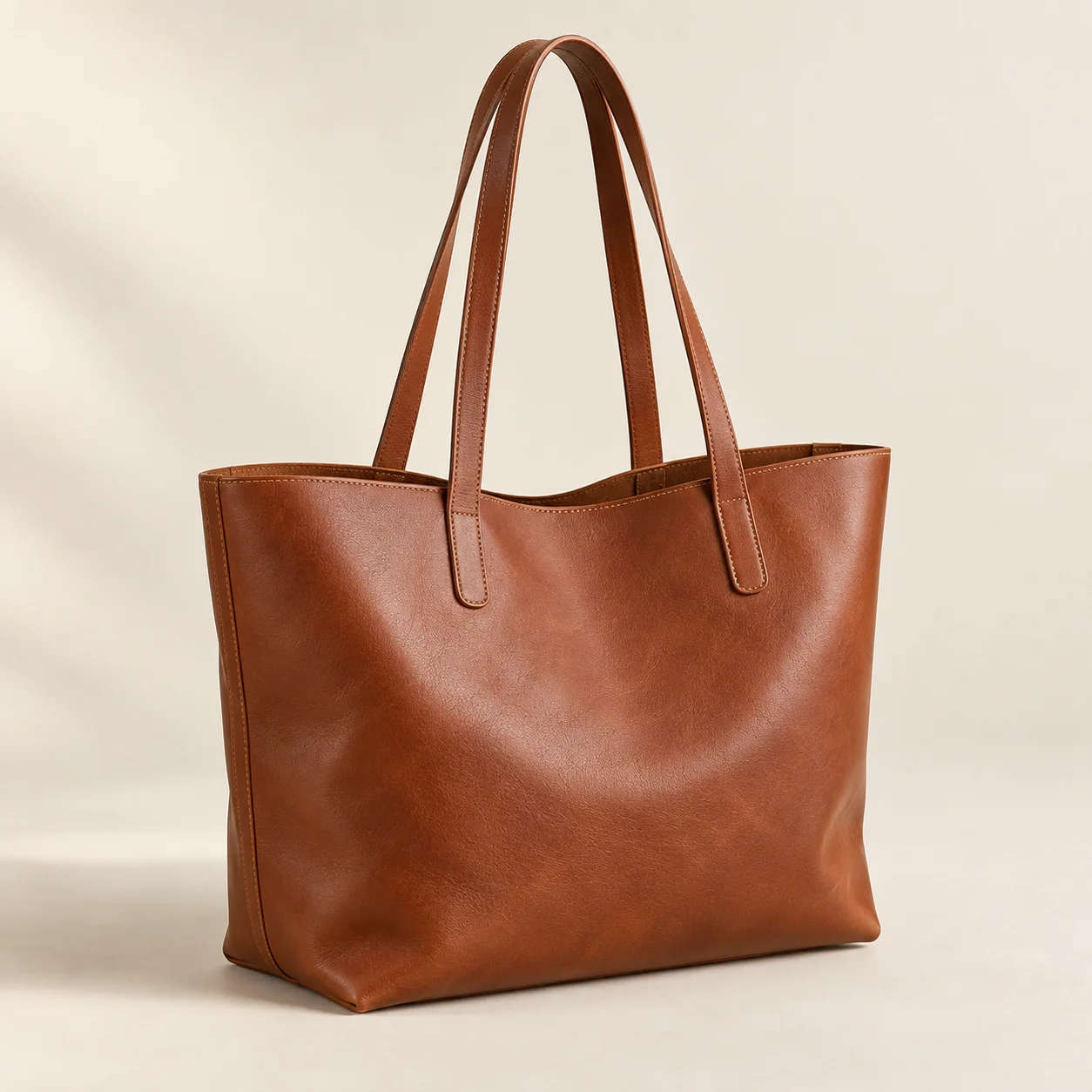
Cow leather, on the other hand, typically has a smoother, finer grain. It is often processed to look uniform and consistent. This makes it the preferred choice for dress shoes, luxury handbags, and car upholstery where a clean, flawless appearance is desired.
2. Durability and Strength
If durability is your top priority, buffalo leather is the clear winner. The epidermal layer of a water buffalo or bison is up to three times thicker than that of a cow. This inherent thickness makes buffalo leather incredibly resistant to tearing, stretching, and abrasion.
- Buffalo Leather: The fibers are thicker and more widely spaced. With proper care, buffalo leather items can easily last for decades.
- Cow Leather: While still very durable compared to synthetic materials, cow leather is generally thinner and less robust than buffalo. It is more prone to stretching over time.
3. Price Comparison: Is Buffalo Leather More Expensive?
Generally, buffalo leather is more expensive than cow leather. Why?
- Scarcity: Cattle are raised globally on a massive scale for meat and dairy, making cowhides abundant and cheap. Buffalo are raised in much smaller numbers.
- Processing: Buffalo hides are thicker and require specialized tanning processes (often expensive vegetable tanning) to make them pliable enough for wallets.
While you can find cheap "genuine leather" cow wallets for $20-$30, a quality full-grain buffalo wallet will typically start around $50-$100. However, considering it lasts twice as long, the value over time is often better.
4. Style: Casual vs. Formal
Which leather suits your style better?
Buffalo Leather Style
Because of its pronounced grain and rugged texture, buffalo leather leans towards a casual, vintage, or outdoorsy aesthetic. It looks fantastic with jeans, boots, and casual wear. It is less suited for strictly formal black-tie events where a sleek, shiny accessory is expected.
Cow Leather Style
Cow leather, particularly calfskin, can be polished to a high shine and has a smooth, uniform surface. This makes it the standard for business formal and dressy occasions. If you need a wallet that slips unnoticed into a suit jacket, a slim cow leather wallet is often the choice.
Conclusion: Which Should You Choose?
Both buffalo and cow leather are excellent natural materials, but they serve different masters.
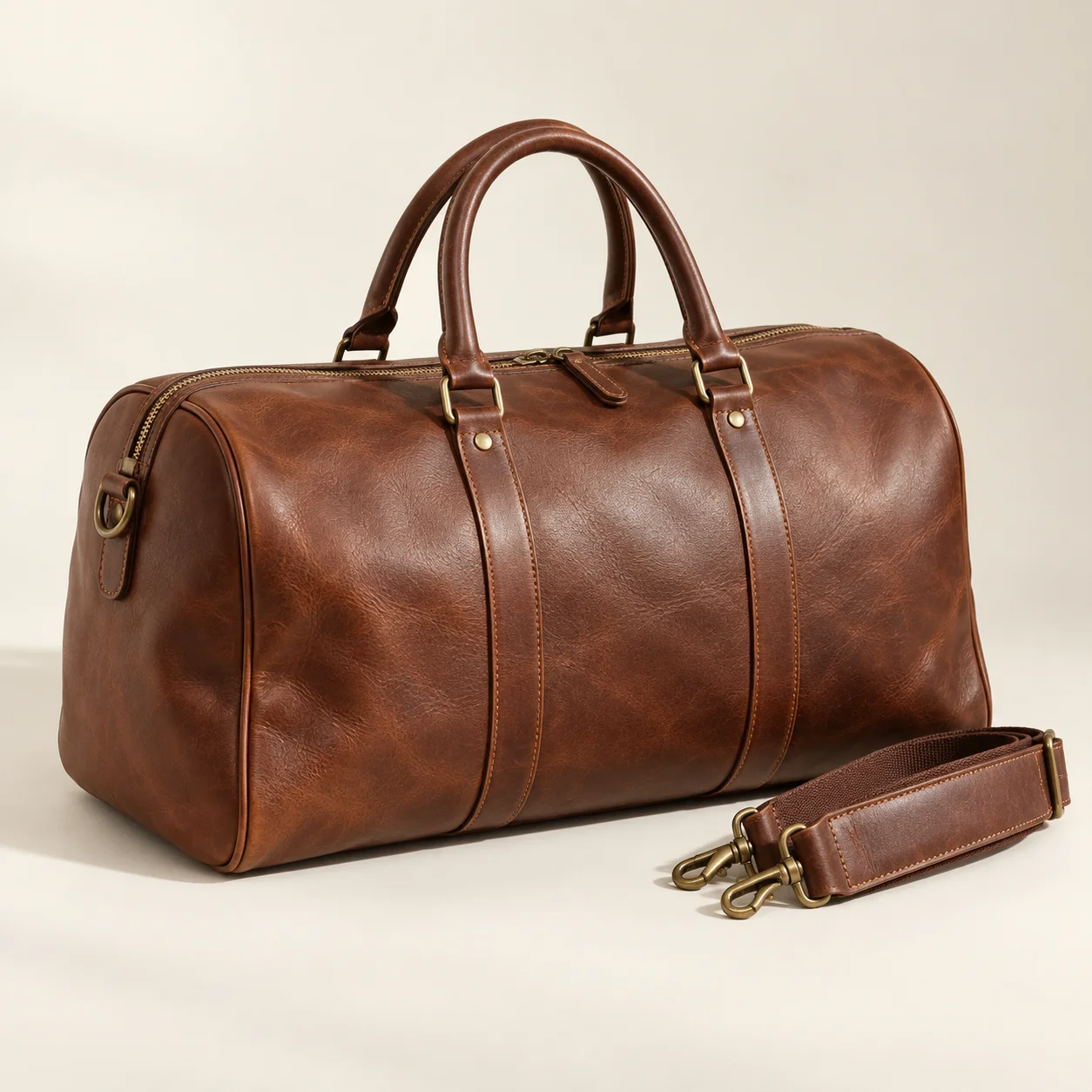
- Choose Buffalo Leather if: You want a product that will last a lifetime, has a rugged/vintage look, and can withstand heavy daily use. It is ideal for biker gear, travel bags, belts, and durable wallets.
- Choose Cow Leather if: You prefer a refined, smooth look, need a wider variety of colors, or are looking for a more budget-friendly option. It is perfect for formal wear, fashion accessories, and lightweight jackets.
Understanding the difference between buffalo leather and cow leather ensures you invest in the product that best fits your lifestyle and aesthetic preferences.
For more details on the features of buffalo leather, check out our Ultimate Guide to Buffalo Leather Wallets.

Sustainability director at ChicCuir, leading our environmental initiatives and ethical sourcing programmes.