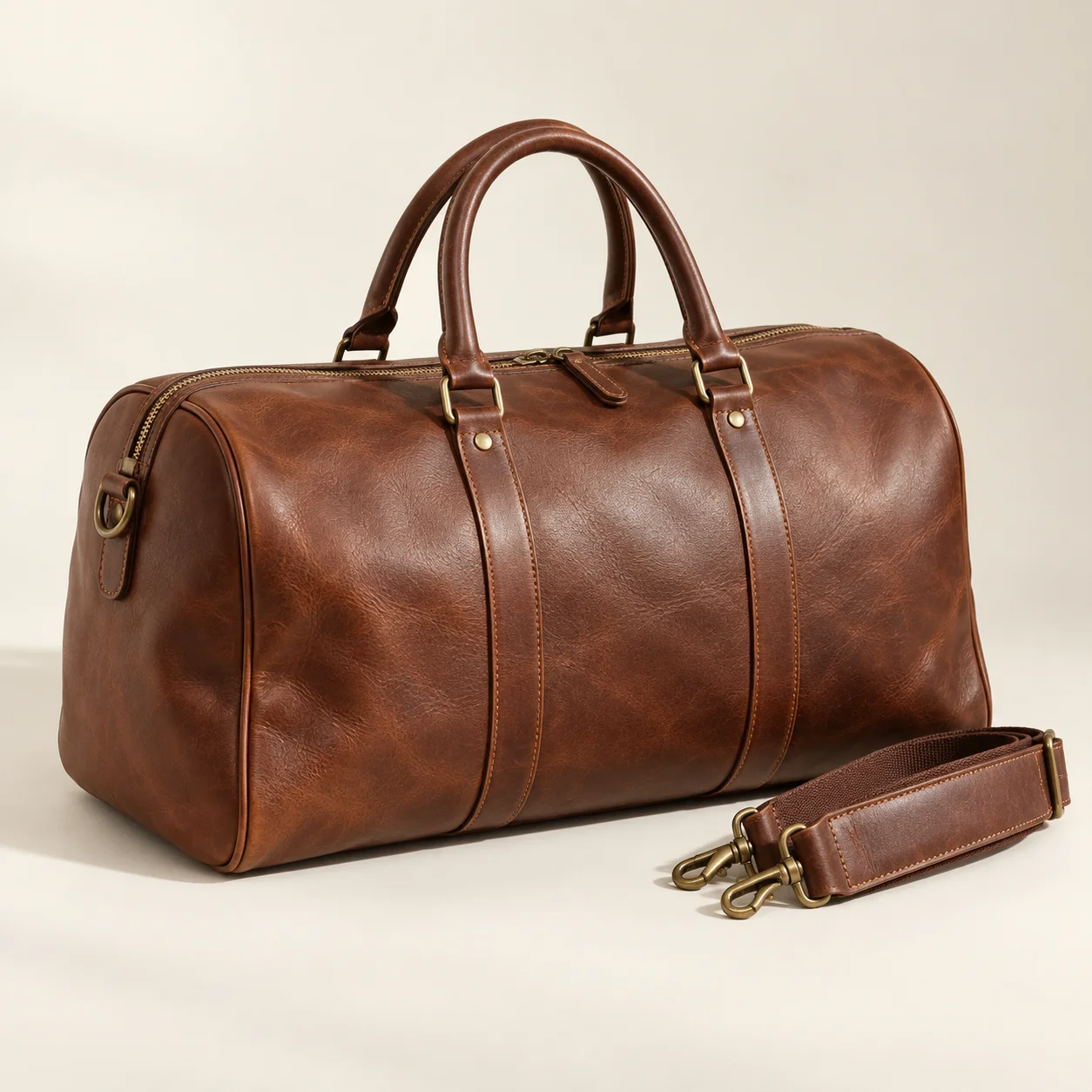
What Are the Features of Buffalo Leather? The Ultimate Guide
Discover the unique features of buffalo leather. Learn about its durability, grain patterns, and why this eco-friendly leather is perfect for wallets and bags.

When shopping for high-quality leather goods, you'll often encounter terms like "full-grain," "top-grain," and various animal hides. Among these, buffalo leather stands out as a premium material prized for its exceptional durability and unique aesthetic. But exactly what is buffalo leather, and what makes it different from standard cowhide?
In this guide, we'll explore the key features of buffalo leather, its characteristics, how it's made, and why it has become a favorite choice for rugged, long-lasting wallets, bags, and accessories.
What is Buffalo Leather?
Buffalo leather primarily comes from the hides of Asian Water Buffalo, which are distinct from the American Bison (though the term is sometimes used interchangeably in casual conversation). The vast majority of buffalo leather used commercially comes from the domestic water buffalo, an animal widely found in Asia where it is essential for agriculture.
Unlike some leathers that are sourced from animals raised solely for their skin, buffalo leather is typically a byproduct of the agricultural and dairy industries. This makes it an ethical and eco-friendly choice, as the hides are repurposed rather than discarded.
Key Features and Characteristics of Buffalo Leather
So, what sets this material apart? Here are the defining buffalo leather characteristics that make it so desirable:
1. Exceptional Durability and Strength
One of the most notable features of buffalo leather is its epidermal thickness. It is significantly thicker and has a denser fiber structure than cow leather. This inherent strength makes it incredibly resistant to tearing, stretching, and puncturing. If you are looking for a wallet or bag that will last for decades, buffalo leather is a top contender.
2. Distinctive Grain Pattern
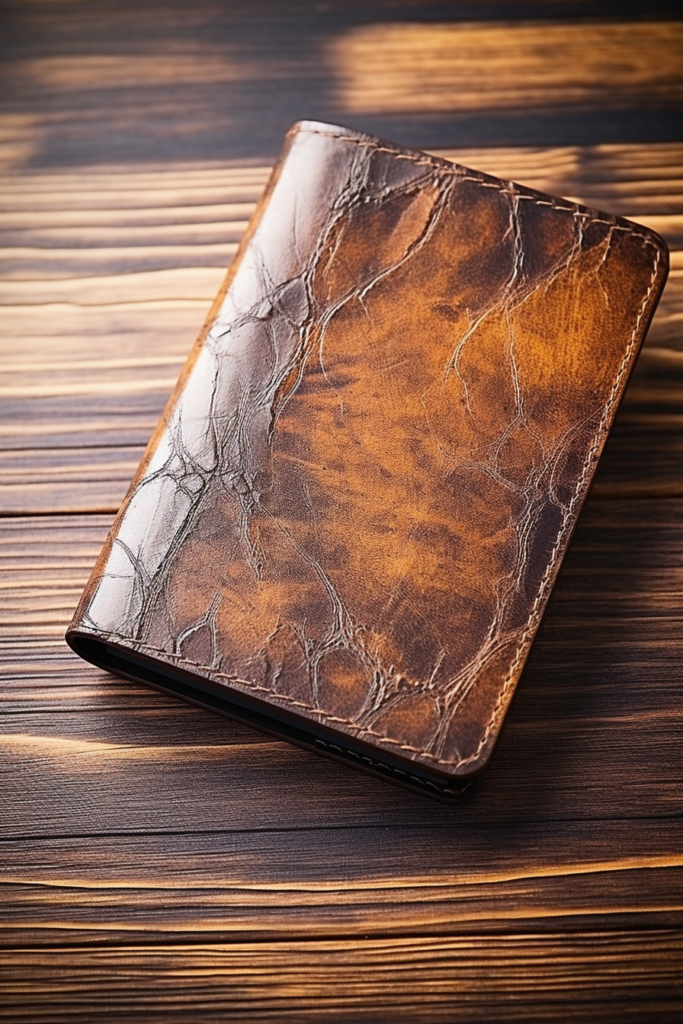
Buffalo leather is famous for its pronounced, pebbled grain. Unlike the smoother finish of cowhide, buffalo skin has a natural, rugged texture with deep grooves and wrinkles. These natural imperfections are not defects; rather, they are the "fingerprints" of the leather, ensuring that no two pieces look exactly alike.
3. Flexibility and Softness
Despite its thickness and strength, buffalo leather is surprisingly soft and flexible. It doesn't require a long "break-in" period like some stiff cowhides. Over time, it molds to the user's shape—whether it's a jacket conforming to your body or a wallet shaping to your pocket—making it extremely comfortable to use.
4. Breathability
The natural pores in buffalo hide are larger than those in cattle hide, allowing the leather to "breathe" better. This quality makes it excellent for clothing, footwear, and accessories that are handled frequently, as it can absorb and release moisture effectively, maintaining temperature comfort.
How is Buffalo Leather Made?
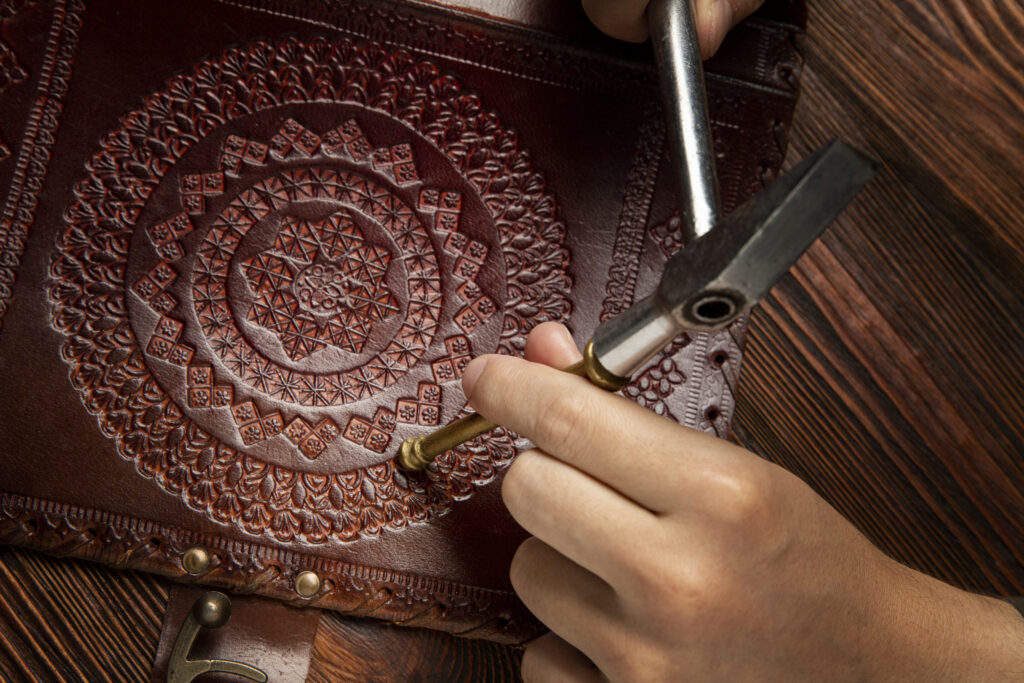
The journey from raw hide to finished product involves a skilled process known as tanning. For high-quality buffalo leather, vegetable tanning is the preferred method.
- Vegetable Tanning: This traditional method uses natural tannins found in tree bark, leaves, and roots. It takes longer (up to several weeks) but results in a rich, natural look that develops a beautiful patina over time. It is also the more eco-friendly option.
- Chrome Tanning: This modern method uses chromium salts and is much faster (a few days). It produces leather that is softer and more water-resistant, often used for fashion items that require specific colors.
Pros and Cons of Buffalo Leather
Pros
- Longevity: Can last a lifetime with proper care.
- Aesthetics: Develops a rich, vintage patina.
- Strength: up to 40% stronger than cow leather.
- Eco-Friendly: Often vegetable-tanned and biodegradable.
Cons
- Cost: Generally more expensive due to the tanning process and quality.
- Maintenance: Requires occasional conditioning to keep it hydrated.
- Weight: Can be heavier than other leathers due to its density.
Buffalo Leather vs. Cow Leather
While both are excellent materials, they serve different purposes. Cow leather is generally smoother, more uniform, and widely available, making it the standard for dress shoes and formal accessories. Buffalo leather, on the other hand, is more textured, stronger, and has a more rustic, adventurous appeal. It is ideal for casual wear, travel bags, and everyday carry items where durability is paramount.
Conclusion
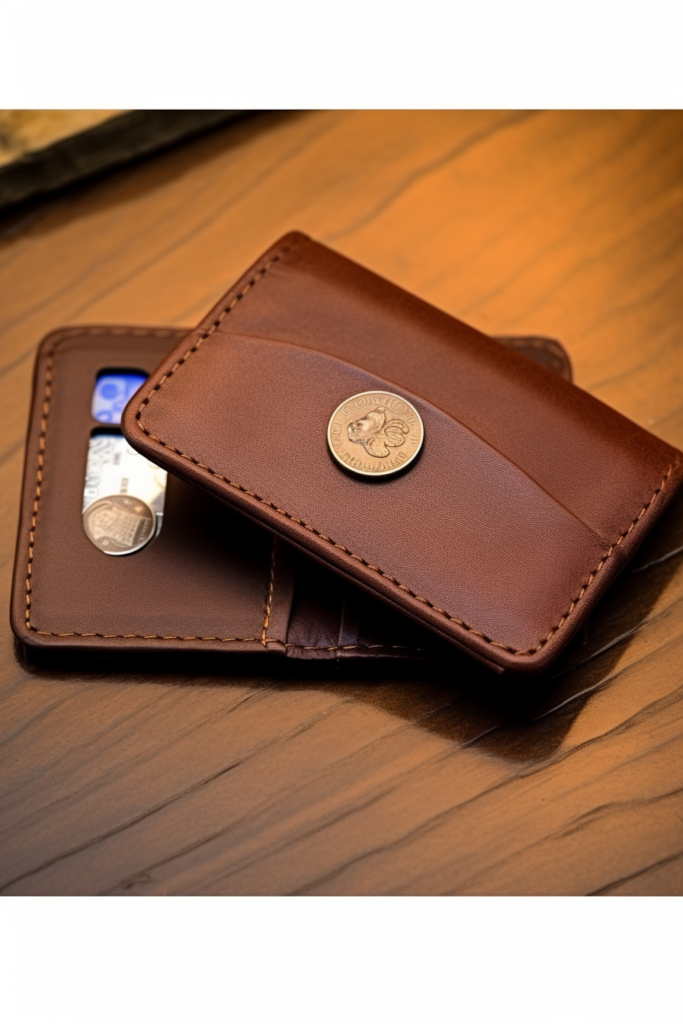
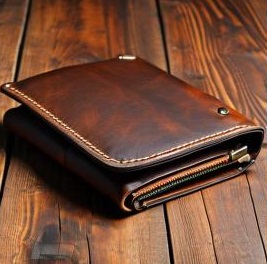
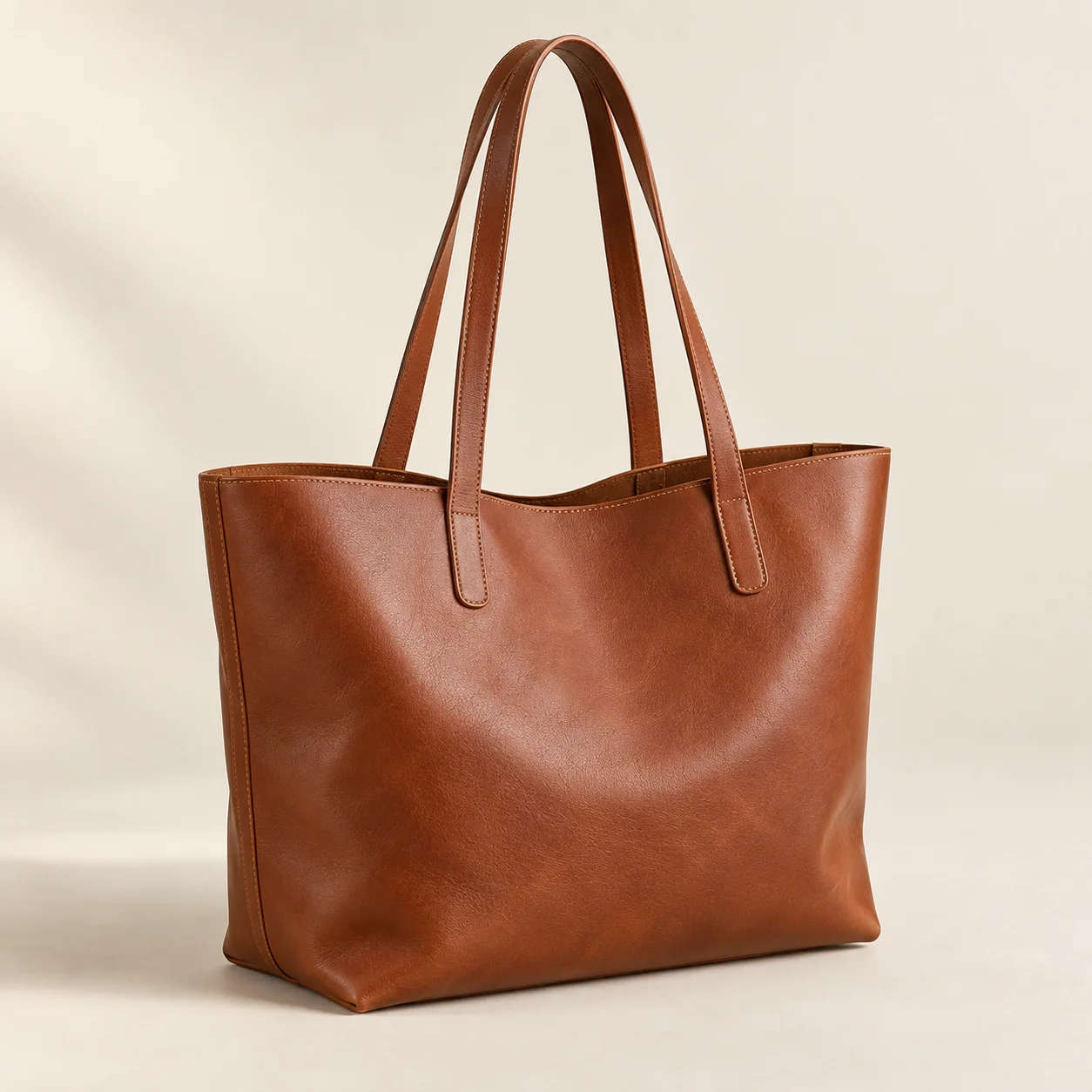
The features of buffalo leather—its unmatched strength, unique pebbled grain, and buttery soft feel—make it a superior choice for anyone valuing quality and character in their leather goods. Whether you choose a buffalo leather wallet, bag, or belt, you are investing in a product that is not only functional but will also grow more beautiful with every year of use.
Ready to explore more? Check out our guides on pricing of buffalo leather wallets and how long they last.

Creative director at ChicCuir, overseeing seasonal collections and brand visual identity.