How Can You Tell If a Crocodile Wallet Is Real?
Crocodile leather wallets are the epitome of luxury, known for their distinct texture, durability, and prestige. However, with the rise of high-quality synthetic imitations, it has become increasingly difficult to distinguish between a genuine master...
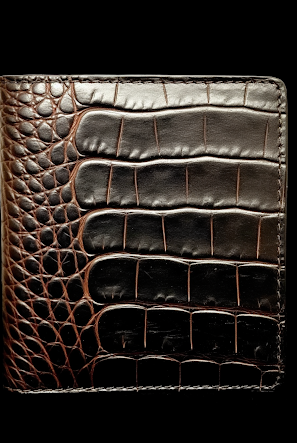
Crocodile leather wallets are the epitome of luxury, known for their distinct texture, durability, and prestige. However, with the rise of high-quality synthetic imitations, it has become increasingly difficult to distinguish between a genuine masterpiece and a clever fake. Whether you are a collector or looking for a special gift, knowing how to tell if a crocodile wallet is real is essential to ensure you are getting what you pay for.
In this guide, we will walk you through the key differences between real vs fake crocodile leather wallets and provide you with expert tips to identify genuine crocodile skin with confidence.
1. The Texture Test: Feel the Difference
One of the most immediate giveaways is the texture. Genuine crocodile skin has a distinct, organic feel that synthetic materials struggle to replicate.
- Real Crocodile: When you run your fingers over the wallet, it should feel bumpy, rigid, and slightly uneven. The scales are raised and three-dimensional. You might even feel the "joints" between the scales, which remain flexible and soft, almost like the skin on your own hand.
- Fake Crocodile: Imitations often feel too smooth, plastic-like, or uniformly textured. If the surface feels flat or the "scales" feel like they are just pressed into the material rather than being individual plates, it is likely an embossed leather or synthetic fake.
2. Analyze the Scale Pattern
Nature rarely creates perfection, and this is true for crocodile leather. When you are trying to identify genuine crocodile skin, look closely at the pattern of the scales.
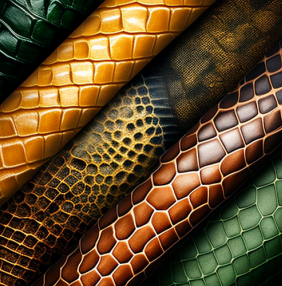
- Irregularity is Key: Real crocodile skin is like a fingerprint; no two wallets will have the exact same pattern. You should see a gradual transition in scale size, moving from larger, square scales (typically from the belly) to smaller, rounded scales (from the sides).
- Red Flags: If the pattern looks perfectly symmetrical, repetitive, or "stamped" on, it is a major warning sign. Manufacturers of fake crocodile leather often use a repeating mold, so if you see the exact same cluster of scales appearing multiple times, it’s a fake.
3. The Smell Test
Your nose can be a powerful detective tool in the real vs fake crocodile leather wallet debate.
Genuine crocodile leather is an animal product that undergoes a tanning process. It should smell like leather—earthy, musky, and sometimes slightly fishy or swampy due to the natural oils and tanning agents. It should not smell like plastic, chemicals, or fresh paint. If a strong chemical odor hits you when you open the box, it’s likely a synthetic product manufactured with glues and plastics.
4. Flexibility and Durability
Despite its armored appearance, real crocodile skin is surprisingly supple.
- Flexibility: A real crocodile wallet should flex without showing signs of cracking or deep creasing immediately. The skin between the scales is elastic, allowing the wallet to bend naturally.
- Rigidity: Fake leather tends to be stiffer. If you bend it, it might feel hard, or you might see unnatural creases that look like bent plastic rather than folded skin.
5. The Water Absorbency Check
If you have the opportunity (and permission), a small water test can be revealing. Leather is a natural skin and has pores.
Place a tiny drop of water on an inconspicuous part of the wallet. Genuine crocodile leather will typically absorb the moisture after a few minutes, or at least show signs of interaction with the water. Synthetic materials are usually non-porous and will cause the water to bead up and slide off immediately without leaving a trace.
6. Inspect the Stitching and Finish
A genuine crocodile wallet is a luxury item, and the craftsmanship should reflect that. High-end exotic leather goods are almost always hand-stitched or stitched with extreme precision.
Look for tight, even stitching with no loose threads. If the wallet is cheap or fake, the manufacturer might cut corners on the stitching. Additionally, inspect the edges. Real leather edges might be burnished or painted, but they shouldn't look like a single fused piece of plastic.
7. The Price Tag Reality
While we all love a bargain, a "too good to be true" price is often the clearest indicator of a fake. Sourcing, tanning, and crafting crocodile leather is an expensive and labor-intensive process that can take years.
If you see a "crocodile" wallet selling for $50, it is almost certainly cowhide embossed with a croc print (often called "croc-embossed leather") or a synthetic material. Genuine crocodile wallets command a premium price due to the rarity and difficulty of working with the skin.
Summary: Real vs Fake Checklist
- Texture: Bumpy, organic, 3D scales vs. flat, smooth, uniform surface.
- Pattern: Unique, irregular transition vs. repeating, perfect symmetry.
- Smell: Earthy, leathery, musky vs. chemical, plastic.
- Flexibility: Supple and flexible vs. stiff and prone to cracking.
- Price: Premium pricing vs. suspiciously cheap.
Conclusion
Knowing how to tell if a crocodile wallet is real saves you from making a costly mistake. By paying attention to the texture, scale pattern, smell, and build quality, you can easily separate the high-end genuine articles from the cheap imitations.
Remember, true luxury lies in the details. A genuine crocodile skin wallet is not just an accessory; it's an investment in quality and craftsmanship that, with proper care, can last a lifetime.

Content director at ChicCuir, passionate about sharing the stories behind our craft.