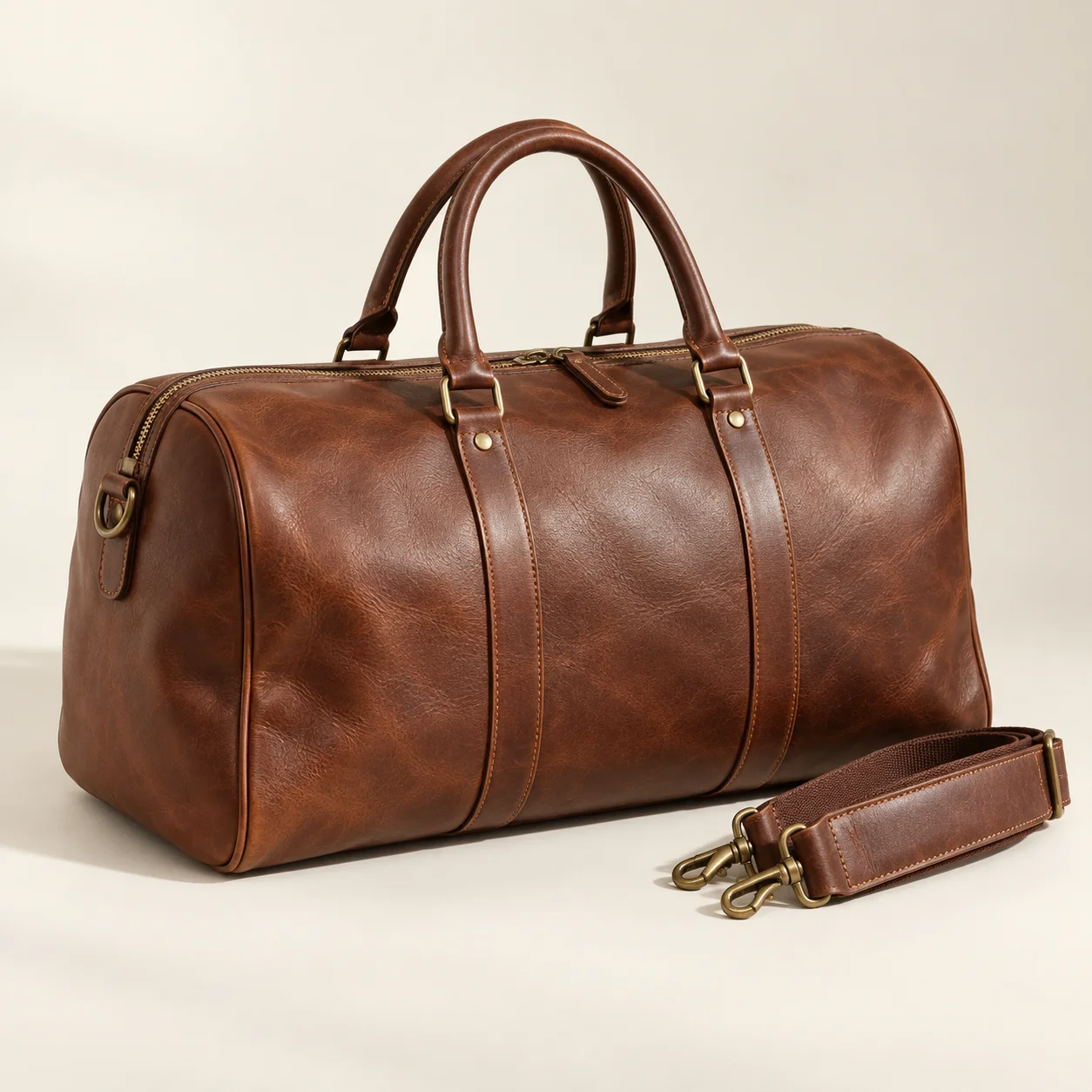
What are the Benefits of Full-Grain Leather?
When shopping for high-quality leather goods—whether it's a wallet, a bag, or a pair of boots—you will often see the term "full-grain leather" touted as the gold standard. But what exactly makes it superior to other types of leather like top-grain or...
When shopping for high-quality leather goods—whether it's a wallet, a bag, or a pair of boots—you will often see the term "full-grain leather" touted as the gold standard. But what exactly makes it superior to other types of leather like top-grain or genuine leather? Why is it considered an investment worth making?
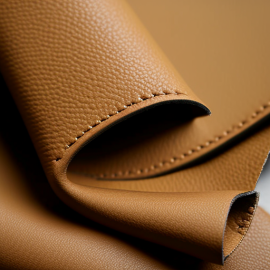
Full-grain leather is the highest quality grade of leather money can buy. It comes from the top layer of the hide and includes all of the natural grain. Unlike other leathers, it is not sanded, buffed, or snuffed to remove imperfections. This preservation of the natural hide gives full-grain leather a set of unique properties that make it stand out in terms of durability, aesthetics, and longevity.
Here are the top benefits of choosing full-grain leather for your next purchase.
1. Unmatched Durability and Strength
The most significant benefit of full-grain leather is its incredible strength. Because it includes the outermost layer of the hide, the fibers are densely packed and interlinked. This vertical fiber structure provides exceptional resistance to tearing, peeling, and cracking.
Lesser grades of leather, such as "genuine leather" or "bonded leather," often have these strong outer layers sanded away or are composed of scraps glued together. Full-grain leather retains the hide's full integrity, meaning it can withstand decades of daily use without falling apart. Ideally, a full-grain leather product is something you buy once and keep for a lifetime.
2. Develops a Rich Patina
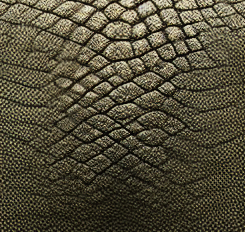
One of the most beloved characteristics of full-grain leather is its ability to develop a patina. A patina is the soft sheen and darkened color that develops on the surface of the leather over time due to oxidation, friction, and natural oils from your hands.
Unlike lower-quality leathers that are coated with heavy pigments and plastics—which tend to look old and worn out as they age—full-grain leather actually looks better with age. Every scratch, scuff, and ray of sunlight adds to its character, creating a unique, vintage look that tells the story of its use.
3. Breathability and Moisture Resistance
Because full-grain leather is not sealed with thick polyurethane coatings, it retains its natural breathability. This allows air to circulate through the material, which is particularly important for items like boots and jackets. It prevents moisture from getting trapped against your skin or inside the material, keeping you comfortable.
Simultaneously, the tight grain structure offers natural water resistance. While it's not waterproof (no leather is entirely waterproof without treatment), it handles moisture far better than split or suede leathers, provided it is properly conditioned.
4. Natural Beauty and Character
Since the surface of full-grain leather is left intact, it displays the natural markings of the animal's hide. You might see small scars, insect bites, or wrinkles. Far from being defects, these markings are proof of the leather's authenticity and high quality.
Manufacturers of lower-grade leathers sand these markings off to create a uniform, plastic-like surface. Full-grain leather celebrates the natural variations, ensuring that no two pieces are exactly alike.

5. Cost-Effectiveness Over Time
Full-grain leather products come with a higher upfront price tag compared to genuine or faux leather. However, when you consider the cost-per-wear or cost-per-use, full-grain leather is often the more economical choice.
A cheap "genuine leather" belt might crack and need replacing every year. A full-grain leather belt can last 10, 20, or even 30 years. Over the long run, investing in quality saves you money and reduces waste.
6. Eco-Friendly Qualities
While the leather industry has environmental impacts, full-grain leather can be a more sustainable option than the alternatives. Its extreme longevity means fewer products need to be manufactured and discarded, reducing landfill waste.
Additionally, because it requires less surface processing and synthetic coating than corrected-grain leathers, it can involve fewer chemical treatments during the finishing process. Many high-end full-grain leathers are also vegetable-tanned, a traditional method that uses natural tannins from tree bark instead of harsh chromium salts.
Conclusion
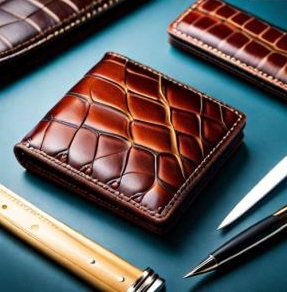
If you are looking for durability, character, and timeless style, full-grain leather is the clear winner. It withstands the rigors of daily life while developing a beautiful patina that makes it uniquely yours.
Key takeaways:
- Durability: The strongest leather grade available.
- Aesthetics: Develops a rich patina over time.
- Comfort: Breathable and moisture-resistant.
- Value: A long-term investment that outlasts cheaper alternatives.
So next time you are shopping for leather goods, look for the "full-grain" label. It's your guarantee that you are getting a product built to last.
Learn More:
What is full-grain leather?
What is the difference between full-grain leather and genuine leather?

Content director at ChicCuir, passionate about sharing the stories behind our craft.