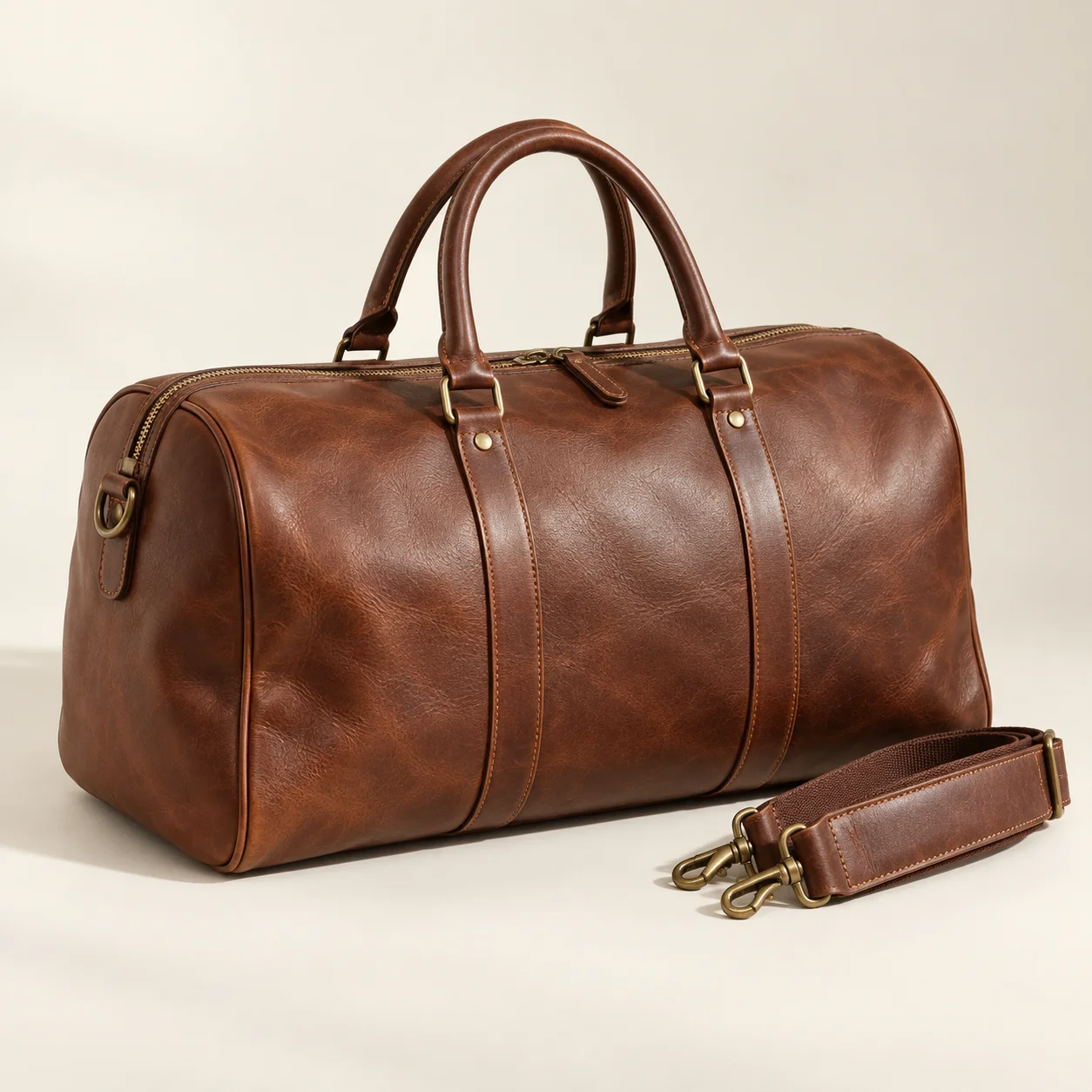
Chrome Tanned Leather: Pros, Cons, and How It Compares
If you own a leather jacket, a pair of soft leather shoes, or a modern handbag, chances are it's made from chrome-tanned leather. Accounting for nearly 80-90% of the world's leather supply, chrome tanning is the dominant method for turning raw hides...

If you own a leather jacket, a pair of soft leather shoes, or a modern handbag, chances are it's made from chrome-tanned leather. Accounting for nearly 80-90% of the world's leather supply, chrome tanning is the dominant method for turning raw hides into durable materials. But what exactly is it, and is it better than the traditional vegetable-tanned alternative?
In this guide, we'll dive deep into the pros and cons of chrome-tanned leather, how it's made, and help you decide if it's the right choice for your next purchase.
What is Chrome Tanned Leather?
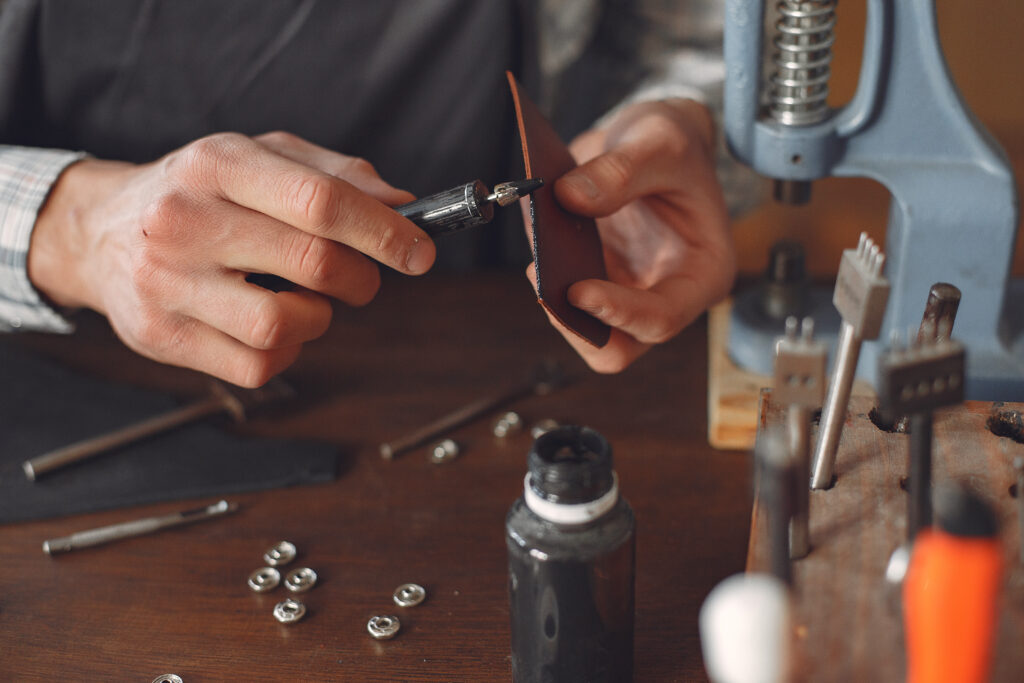
Chrome tanning is a chemical process that uses chromium salts (specifically chromium(III) sulfate) to tan animal hides. Invented in 1858, this method revolutionized the leather industry by drastically reducing production time from months to just a few days.
The process turns the hides a distinct pale blue color, which is why unfinished chrome leather is often called "wet blue." This modern technique results in leather that is soft, flexible, and consistent in color, making it ideal for the mass production of fashion items and upholstery.
The Pros of Chrome Tanned Leather
There are good reasons why chrome tanning has taken over the market. Here are the main advantages:
- Affordability: Because the tanning process is so fast (often completed in a single day), production costs are significantly lower. This makes chrome-tanned leather products more accessible to the average consumer.
- Softness and Pliability: Unlike the stiff nature of vegetable-tanned leather, chrome leather is supple right out of the box. It doesn't require a long "break-in" period, making it perfect for jackets, gloves, and upholstery.
- Water and Heat Resistance: The chemical bonds formed by chromium salts make the leather more resistant to water and heat. It won't shrink or lose its shape as easily as other leathers when exposed to the elements.
- Color Consistency: Chrome tanning allows for uniform dyeing. If you want a bright red handbag or a jet-black jacket that holds its color without fading or developing a patina, chrome leather is the way to go.
- Durability: It is generally tough and maintains its finish over time, resisting scratches and stains better than its vegetable-tanned counterparts.
The Cons of Chrome Tanned Leather
Despite its benefits, chrome tanning has significant downsides, particularly regarding the environment and leather character.
- Environmental Impact: This is the biggest controversy surrounding chrome leather. The process involves heavy metals and acids. If not managed correctly, the wastewater can be toxic and harmful to local water supplies. However, modern regulations in developed countries have improved these standards significantly.
- Lack of "Character": Chrome-tanned leather does not develop a patina—that rich, aged look that leather lovers adore. It will look roughly the same on day 1,000 as it did on day 1.
- Difficult to Recycle: Due to the chromium content, chrome-tanned leather is not easily biodegradable and can be difficult to recycle compared to vegetable-tanned leather.
- Lower Breathability: The chemical process can reduce the natural breathability of the hide, which might be a factor for certain footwear or garments.
- Cannot be Tooled: If you are into leathercraft, you can't stamp, carve, or tool chrome leather. It is too soft and won't hold the impression.
Chrome Tanned vs. Vegetable Tanned Leather
The debate between chrome and vegetable tanning often comes down to what you need the leather for. Here is a quick comparison:
| Feature | Chrome Tanned | Vegetable Tanned |
|---|---|---|
| Production Time | 1-3 days | 1-3 months |
| Feel | Soft, supple, flexible | Stiff, sturdy, structural |
| Patina | Does not develop patina | Develops rich patina over time |
| Water Resistance | High | Low (absorbs water easily) |
| Price | More affordable | Expensive |
| Best For | Jackets, upholstery, fashion bags | Belts, saddles, wallets, holsters |
The Future of Chrome Tanning
The industry is aware of the environmental concerns associated with chrome tanning. Many modern tanneries are adopting "chrome-free" tanning methods or implementing strict water treatment facilities to capture and recycle chromium. The goal is to keep the desirable properties of chrome leather—softness and durability—while minimizing the ecological footprint.
The Bottom Line
Chrome-tanned leather is a marvel of modern manufacturing, offering affordable, durable, and versatile leather goods to the masses. While it lacks the heritage and natural aging process of vegetable-tanned leather, it excels in performance and aesthetics for everyday wear.
When choosing between the two, consider your priorities: Do you want a soft jacket that handles the rain and keeps its color? Go for chrome tan. Do you want a belt that molds to your body and tells a story with every scratch and darken spot? Choose vegetable tan.
Next Up
Leather tanning process and its impact on wallet quality

Product care educator and master craftsman with a deep passion for leather longevity.