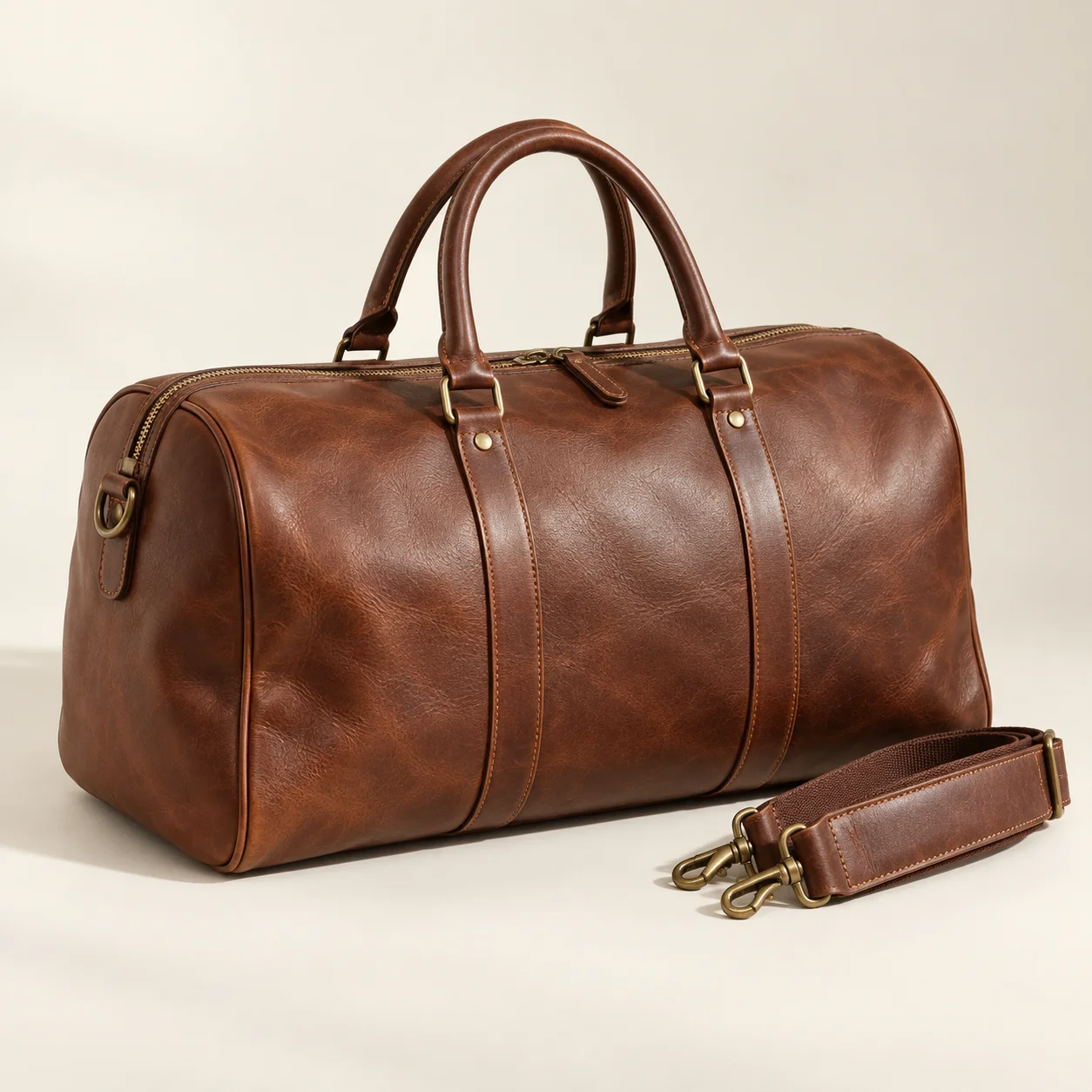
Are buffalo leather wallets waterproof or water-resistant? The Truth Revealed
Buffalo leather wallets have surged in popularity, prized for their rugged durability and distinct pebbled grain. But for anyone investing in a quality leather accessory, one practical question always arises: Can it handle water? Whether it's an acci...
Introduction
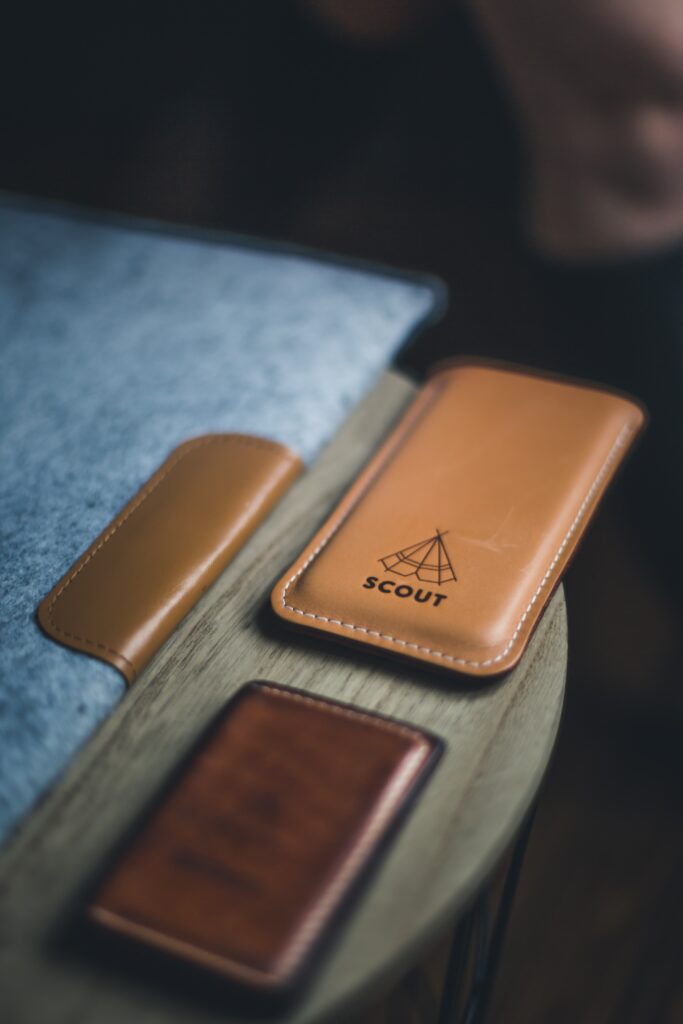
Buffalo leather wallets have surged in popularity, prized for their rugged durability and distinct pebbled grain. But for anyone investing in a quality leather accessory, one practical question always arises: Can it handle water? Whether it's an accidental splash, a rainy commute, or a drop in a puddle, moisture is leather's natural enemy.
In this guide, we’ll clarify the difference between waterproof and water-resistant, explain why buffalo leather handles moisture better than most, and show you exactly how to protect your wallet for the long haul.
The Short Answer: Water-Resistant, Not Waterproof
Is buffalo leather waterproof? No, it is not 100% waterproof. However, it is naturally water-resistant.
There is a crucial distinction here. "Waterproof" implies that an item can be submerged in water without absorbing any moisture. Like most genuine leathers, buffalo leather is a porous natural material. If left submerged, it will eventually soak up water.
However, buffalo leather is exceptionally water-resistant compared to other hide types. Thanks to its density and natural oils, it repels light moisture, sweat, and rain effectively, giving you time to wipe it dry before any damage occurs.
Why Buffalo Leather Resists Water Naturally
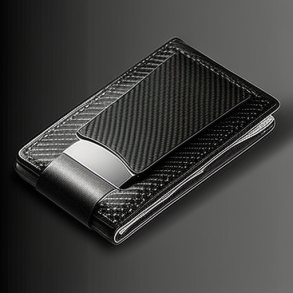
Buffalo leather (often Bison leather) is structurally different from standard cowhide. Its fibers are thicker and more widely spaced, but the hide itself is significantly stronger. This structure allows it to hold a higher content of natural fats and waxes.
These natural elements act as a hydrophobic barrier. When water hits the surface of a well-conditioned buffalo leather wallet, it tends to bead up rather than soak in immediately. This natural defense is why buffalo leather has historically been used for rugged outdoor gear like boots and jackets.
The Role of Vegetable Tanning
The manufacturing process plays a massive role in water resistance. Most high-end buffalo leather wallets are vegetable-tanned. This traditional method uses natural tannins from tree bark and leaves, often supplemented with oils and waxes during the "stuffing" phase.
This process doesn't just preserve the leather; it saturates it with conditioners that repel water. Chrome-tanned leathers, while cheaper, often lack this deep oil content and may rely on surface coatings that wear off over time.
What Happens if Your Wallet Gets Wet?
While resistant, buffalo leather isn't invincible. If exposed to excessive water without protection, several issues can occur:
- Water Stains: As water evaporates, it can displace natural oils, leaving dark spots or "tide lines" on the leather surface.
- Stiffening: If the leather dries too fast, it loses its flexibility and becomes brittle or stiff.
- Mold & Mildew: Trapped moisture in the thick fibers can lead to fungal growth if not dried properly.
How to Waterproof and Protect Your Wallet
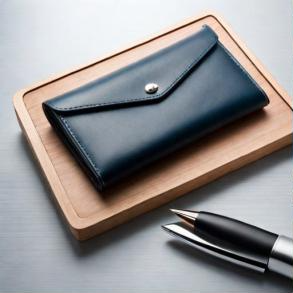
You can enhance the natural water resistance of your buffalo leather wallet with a few simple steps. We recommend treating your wallet every 6-12 months, or whenever the leather starts looking dry.
1. Use a Leather Wax or Cream
Products containing beeswax or mink oil are excellent for buffalo leather. They create a physical seal on the surface that blocks water entry.
2. Apply Thin Layers
Don't over-saturate the leather. Apply a small amount of conditioner with a soft cloth, rub it in circular motions, and let it absorb for 20 minutes before buffing off the excess.
3. Avoid Synthetic Sprays
While convenient, silicone-based waterproofing sprays can suffocate the leather, preventing it from breathing and leading to long-term cracking. Stick to natural waxes and oils.
Emergency Guide: What to Do if It Gets Soaked
Dropped your wallet in a puddle? Don't panic. Follow these steps to save it:
- Wipe it gently: Use a clean, dry cloth to absorb as much surface water as possible. Do not rub vigorously, as wet leather is easier to scuff.
- Empty it out: Remove all cards and cash to allow air circulation and prevent the cards from warping the wet leather pockets.
- Air dry naturally: Lay the wallet flat in a cool, dry place.
- NO HEAT: Never use a hairdryer, radiator, or direct sunlight. Heat will cook the wet fibers, causing them to shrink and crack permanently.
- Condition: Once dry, the leather will likely feel a bit stiff because the water washed away some oils. Apply a quality leather conditioner to restore its suppleness.
Conclusion
Buffalo leather wallets are a fantastic choice for those who value durability. While they are not 100% waterproof, their superior water resistance makes them perfectly capable of handling daily life's spills and weather. By understanding the limits of the material and giving it an occasional coat of wax or conditioner, your buffalo leather wallet can remain a handsome, rugged companion for decades.
Next Up
How long do buffalo leather wallets last?
What is the difference between buffalo leather and cow leather?

Creative director at ChicCuir, overseeing seasonal collections and brand visual identity.