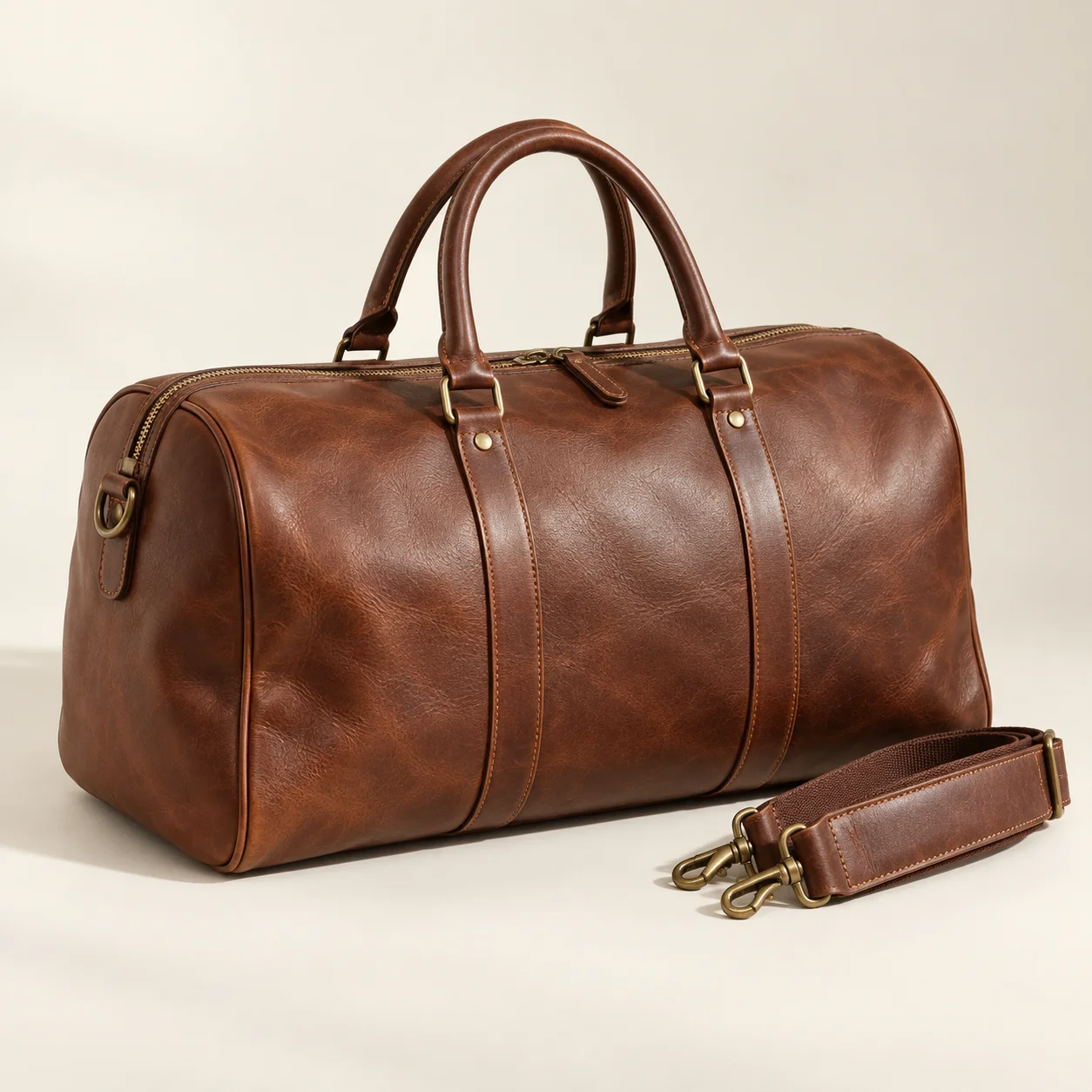
Is Buffalo Leather Durable? Everything You Need to Know
Discover why buffalo leather is one of the most durable leathers available. We compare buffalo vs cow leather durability, lifespan, and care tips.
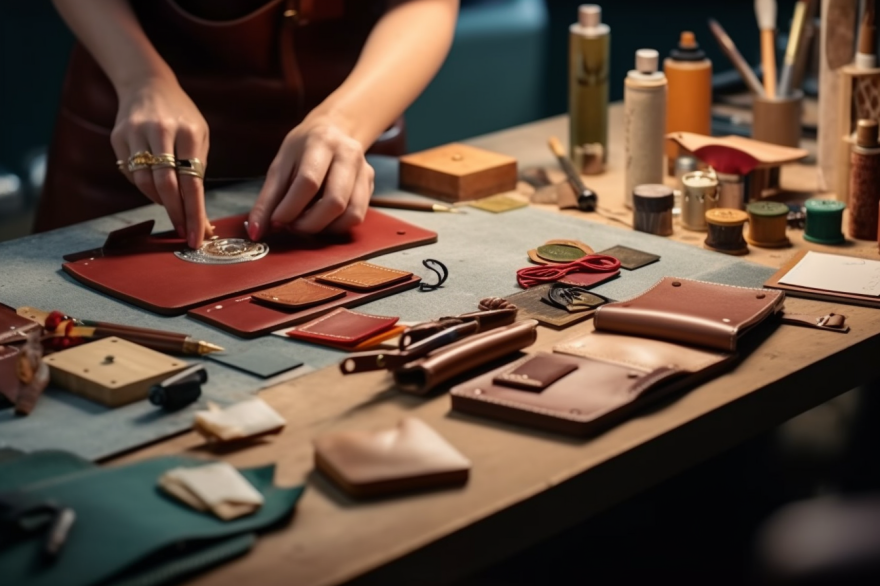
When searching for high-quality leather goods, durability is often the top priority. You might be asking: Is buffalo leather durable? The short answer is yes—exceptionally so. In fact, buffalo leather is widely considered one of the strongest and most resilient leathers available on the market today.
Known for its rugged appearance and incredible lifespan, buffalo leather can last for decades with proper care. In this guide, we’ll dive deep into buffalo leather durability, compare it to cow leather, and explain why it’s a favorite for heavy-duty items like bags, jackets, and wallets.
Why is Buffalo Leather So Durable?
Buffalo leather (often from the Asian Water Buffalo) owes its legendary strength to several natural factors. Unlike other hides that are stretched during the tanning process, buffalo leather is often not stretched, which preserves its thickness and density.
- Epidermal Thickness: Buffalo hide has an epidermal layer that is up to three times thicker than cowhide. This immense thickness makes it resistant to tearing and stretching.
- Dense Fibers: The collagen fibers in buffalo skin are woven tightly together, creating a sturdy structure that stops the leather from getting scratched or damaged easily.
- Natural Oils: Buffalo leather is rich in natural oils and waxes, which helps keep the fibers moisturized and prevents cracking. These oils also provide natural water resistance.
Buffalo Leather vs. Cow Leather: Which is Better?
The most common comparison shoppers make is buffalo leather vs. cow leather. While cow leather is the industry standard for versatility, buffalo leather wins when it comes to sheer toughness.
| Feature | Buffalo Leather | Cow Leather |
|---|---|---|
| Durability | Extremely High (20-30+ years) | High (15-20 years) |
| Thickness | Thicker, heavier | Thinner, lighter |
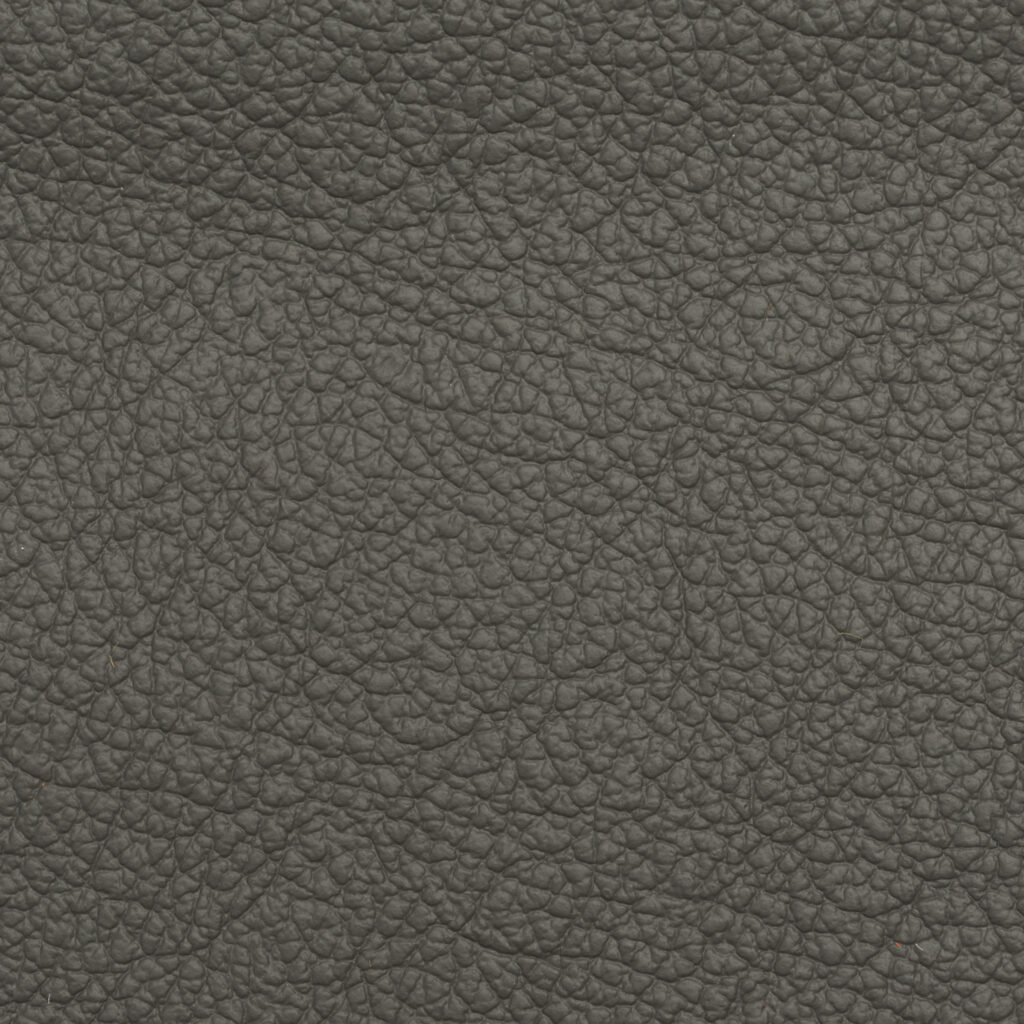
| Texture | Distinct pebbled grain, rugged | Smooth, uniform grain |
| Flexibility | Stiffer initially, softens with age | Softer initially |
While cow leather is excellent for dress shoes and lighter jackets, buffalo leather is the superior choice for items that need to withstand abuse, such as travel bags, motorcycle gear, and everyday-carry wallets.
Lifespan: How Long Does Buffalo Leather Last?
With proper care, a high-quality buffalo leather item can last a lifetime. It is not uncommon for buffalo leather bags or jackets to be passed down as heirlooms.
- Average Lifespan: 20 to 30 years (or more).
- Aging Process: Buffalo leather develops a beautiful patina over time. As you use it, the leather absorbs oils from your hands and environment, becoming softer, darker, and more lustrous without losing its strength.
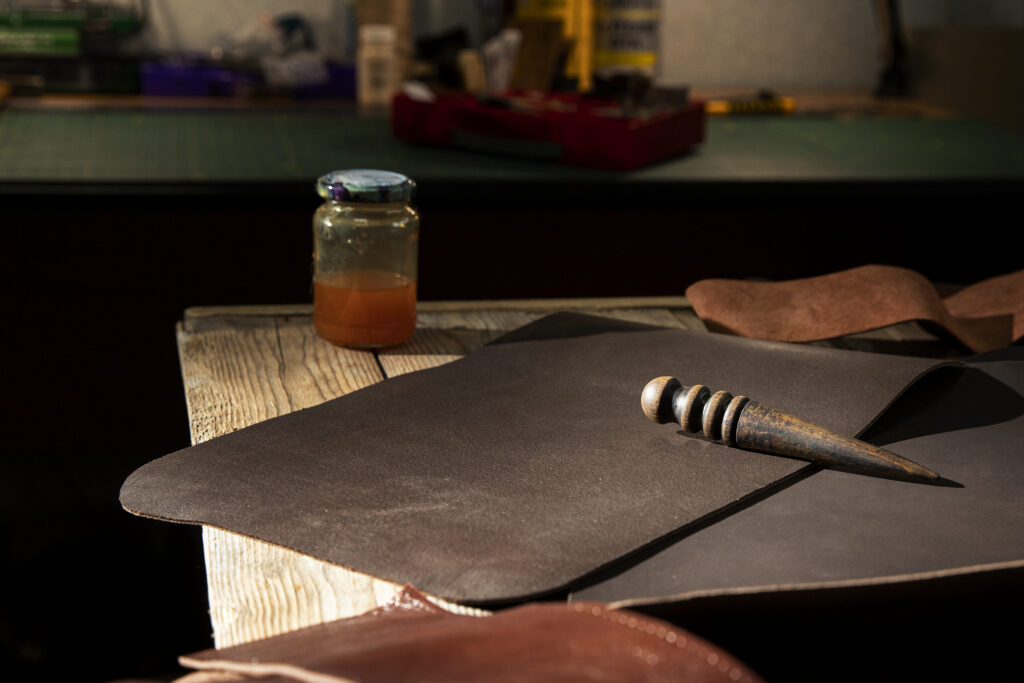
Pros and Cons of Buffalo Leather
Pros
- Unmatched Durability: Resists tearing, heat, and abrasion better than most leathers.
- Unique Look: The natural grain ensures no two pieces look exactly alike.
- Eco-Friendly: Often tanned using vegetable tanning methods (Veg-Tan), which uses organic materials like tree bark instead of harsh chemicals.
- Breathable: Despite its thickness, it breathes well and absorbs moisture.
Cons
- Weight: It can be heavier than other leathers.
- Stiffness: Requires a break-in period to become supple.
- Cost: Can be more expensive due to the quality of the hide and tanning process.
Conclusion
So, is buffalo leather durable? Absolutely. If you are looking for a leather product that combines rugged beauty with the ability to withstand decades of daily use, buffalo leather is an investment worth making. Its unique grain, impressive thickness, and natural resistance to wear make it stand out against cowhide and sheepskin alternatives.
Whether you choose a buffalo leather wallet or a travel bag, you are choosing a material that will tell your story for years to come.
Next Up:
What is the difference between buffalo leather and cow leather?
Does buffalo leather age well?

Creative director at ChicCuir, overseeing seasonal collections and brand visual identity.