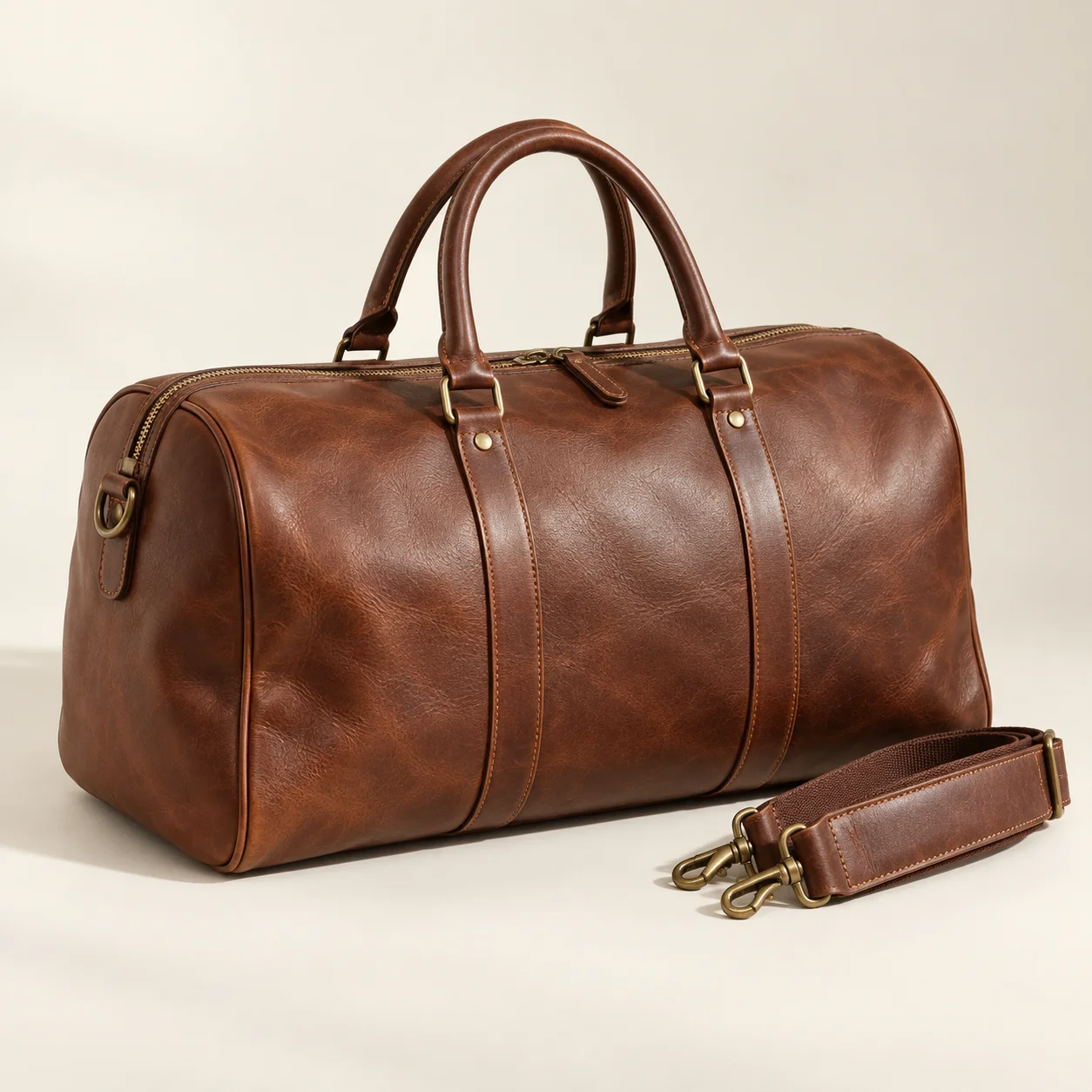
Do Passport Wallets Need RFID Protection? A Traveler's Guide
Discover if you really need an RFID blocking passport wallet for travel. We explore the risks of RFID skimming and the benefits of protection.

Planning your next international adventure? Whether you're heading to the historic streets of Europe or the bustling markets of Asia, keeping your travel documents safe is a top priority. You've likely heard about RFID-blocking wallets and wondered, "Do passport wallets really need RFID protection?"
In this guide, we'll dive into the technology behind modern passports, the reality of digital theft, and help you decide if an RFID-blocking passport wallet is a necessary travel companion for you.
What is RFID and Why is it in My Passport?
RFID stands for Radio Frequency Identification. It's a technology that uses electromagnetic fields to automatically identify and track tags attached to objects. These tags contain electronically stored information.
Since 2007, the United States (and many other countries) has been issuing e-passports. These passports have a small RFID chip embedded in the cover. This chip contains the same information printed on your passport's photo page: your name, date of birth, and other biographical information, along with a digital version of your photograph.
The concern many travelers have is that thieves with portable RFID readers could "skim" this data from a distance without you ever knowing—a practice often called "electronic pickpocketing."
The Reality of RFID Skimming Risks
So, is the threat real? Technically, yes. Practically, it's complicated.
While it is possible for a thief with a high-powered reader to scan an RFID chip from several feet away, there are significant security measures already in place:
- Encrypted Data: Modern e-passports use Basic Access Control (BAC). This means the reader must provide specific information (printed on the passport) to access the chip. The passport must be open to be read effectively.
- Built-in Shielding: Many e-passports, including those from the US, have a metallic material in their covers that acts as a Faraday cage, blocking RFID signals when the passport is closed.
However, despite these built-in protections, many travelers prefer the extra layer of security that an RFID-blocking wallet provides, especially when carrying other cards that might be more vulnerable.
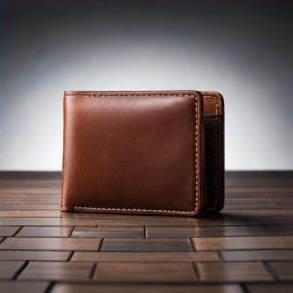
Benefits of Using an RFID Passport Wallet
Even if the risk of passport skimming is low, there are compelling reasons to use an RFID-blocking passport wallet:
1. Protection for Credit Cards
While your passport has robust security, your contactless credit cards and debit cards might not. Many cards use RFID/NFC technology for "tap to pay" transactions, which can be more susceptible to skimming than passports. A quality passport wallet protects everything inside.
2. Organization and Convenience
A dedicated passport wallet keeps your passport, boarding passes, credit cards, and cash in one secure place. This organization is invaluable when navigating busy airports and customs checkpoints.
3. Peace of Mind
Travel can be stressful enough without worrying about identity theft. Knowing your personal information is shielded allows you to relax and enjoy your trip.
Pros and Cons of RFID Passport Wallets
Pros
- Blocks unauthorized scanning of all cards and ID.
- Keeps travel documents organized.
- Provides peace of mind in crowded areas.
- Often made of durable materials like leather.
Cons
- Can be slightly bulkier than minimalist covers.
- May need to remove passport for official scanning.
- Slightly higher cost than non-RFID versions.
Verdict: Do You Need One?
Is an RFID passport wallet strictly necessary? Probably not, thanks to the security features in modern passports.
Is it a good idea? Absolutely.
If you frequent international airports, use public transportation in major cities, or carry contactless credit cards alongside your passport, an RFID-blocking wallet is a smart investment. It combines organization with security, ensuring that your digital information stays as safe as your physical documents.
When choosing a wallet, look for one that specifies 13.56 MHz frequency protection (the standard for credit cards and passports) and offers enough space for your essential travel items.
Stay Safe and Travel Smart
Technology evolves, and so do the methods of identity thieves. While the likelihood of having your passport skimmed is low, the impact of identity theft can be devastating. An RFID-blocking passport wallet is an affordable, stylish, and practical way to mitigate that risk.
Happy travels!
Next Up: RFID Protection Unveiled: Are Your Leather Wallets Shielded?

Creative director at ChicCuir, overseeing seasonal collections and brand visual identity.