RFID Leather Wallet Guide: Protection, Benefits & Necessity
Discover everything about RFID leather wallets: how they work, why you might need one, and the best options for protecting your cards and passport.
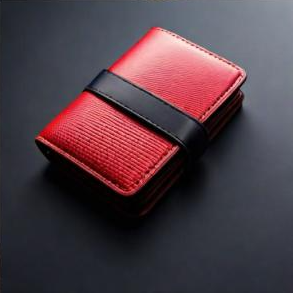
In our modern digital world, convenience is king. We tap to pay for coffee, breeze through transit gates, and use contactless cards for almost everything. This technology, powered by Radio Frequency Identification (RFID), makes life easier but introduces a new concern: digital theft. As we carry more sensitive data in our pockets, the humble leather wallet has had to evolve.
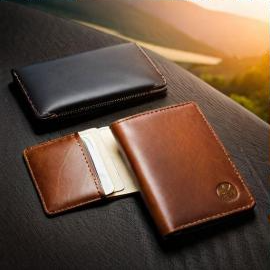
Enter the RFID leather wallet—a fusion of timeless style and modern security. Whether you are a daily commuter or an international traveler, understanding how these wallets work and if you really need one is crucial for your digital safety.
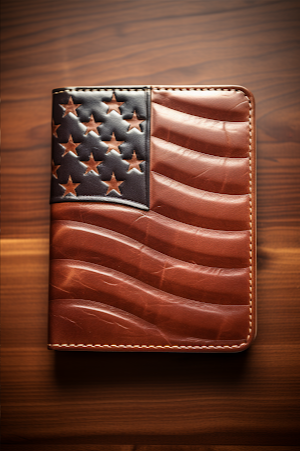
What is RFID and How Does It Work?
RFID (Radio Frequency Identification) uses electromagnetic fields to automatically identify and track tags attached to objects. Your credit cards, debit cards, and even your passport likely contain a small chip that communicates wirelessly with card readers.
Most contactless payment cards and passports operate at a frequency of 13.56 MHz. While convenient, this technology has a potential downside: "skimming." Thieves with portable RFID readers can theoretically scan your cards from a few feet away without you ever knowing, stealing your payment information or personal data.
How RFID Leather Wallets Protect You
So, how can a piece of leather stop radio waves? Standard leather cannot. However, RFID-blocking leather wallets are engineered with a special lining—usually a metallic fabric or mesh made of copper, aluminum, or nickel—sewn between the leather layers.
This lining acts as a Faraday cage, a shield that blocks electromagnetic fields. When your cards are inside the wallet, the metallic layer interrupts the radio signals, preventing any scanner from reading the data on your chip.
Do All Leather Wallets Have RFID Protection?
No. Traditional leather wallets do not block RFID signals. If you are shopping for a new wallet, look specifically for "RFID Protected" or "RFID Blocking" labels. Many modern brands now include this as a standard feature without compromising the wallet's aesthetics.
Do You Really Need an RFID Wallet?
This is the most common question. The reality is nuanced.
The Risk of Skimming
While reports of RFID skimming are relatively low compared to online fraud, the technology to commit these crimes is cheap and accessible. A thief can buy a scanner for under $20 and potentially steal data in crowded places like subways, airports, or malls.
Passport Protection
Modern e-passports (issued by the US and many other countries since 2007) contain sensitive biometric data. While they have built-in encryption and shielding covers, an RFID-blocking passport wallet adds a valuable second layer of defense, especially when the passport is open or if the built-in shield is damaged.
Peace of Mind
For many, the primary benefit is psychological. Knowing that your financial and personal information is physically shielded allows you to travel and commute without worry. It's a low-cost insurance policy against a high-stress problem.
Benefits of Upgrading to an RFID Leather Wallet
- Security: Blocks unauthorized scanning of credit cards, debit cards, and driver's licenses.
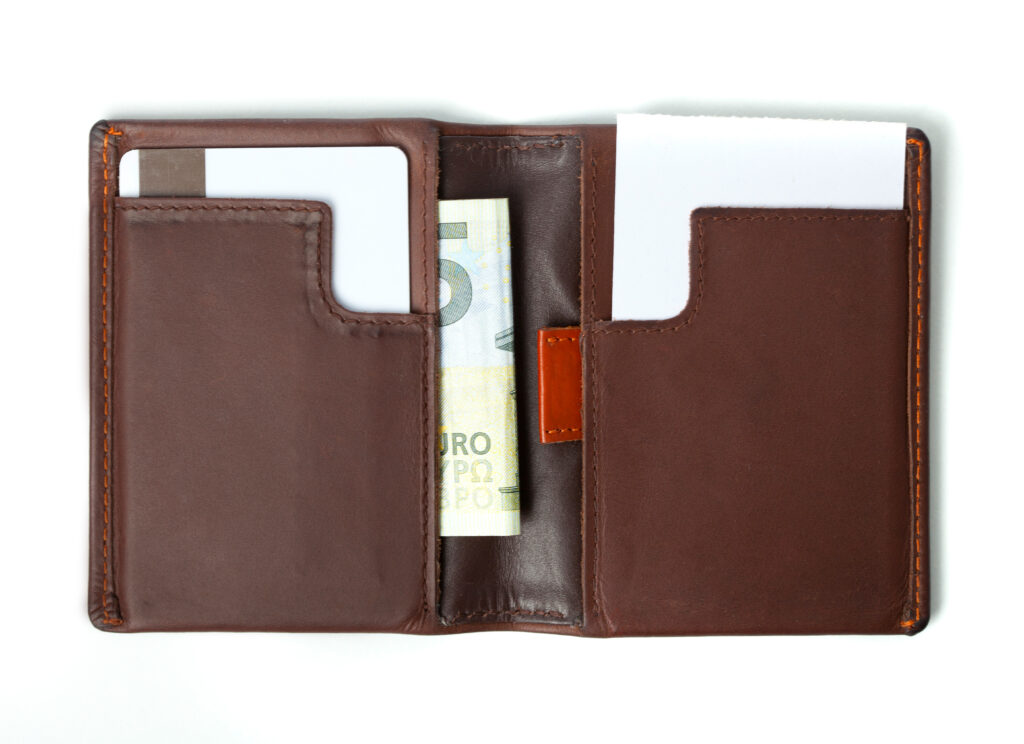
- Organization: Dedicated slots for cards and passports keep your essentials arranged and accessible.
- Prevention of "Card Clash": Prevents multiple contactless cards from interfering with each other when you try to pay.
- Style with Substance: You don't have to carry a clunky metal case. High-quality RFID leather wallets look and feel just like traditional luxury leather goods.
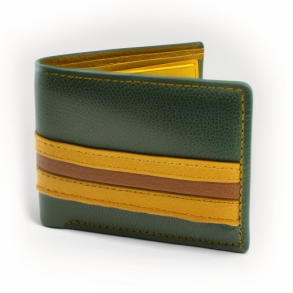
DIY vs. Buying New
If you love your current non-RFID wallet, you don't necessarily have to replace it. You can buy RFID-blocking cards (which you place next to your credit cards) or Tyvek sleeves. However, these can add bulk and aren't as seamless as a wallet with built-in protection.
For a permanent solution that doesn't add clutter, investing in a dedicated RFID leather wallet is the best choice. It ensures 100% coverage without the need for extra accessories.
Conclusion
As technology evolves, so do the tools of digital thieves. An RFID leather wallet is a smart, proactive step to protect your identity and finances. It combines the classic elegance of leather with the modern necessity of digital security, ensuring that the only person accessing your cards is you.

Travel and culture writer covering artisan traditions across the Mediterranean.