Shielding Your Leather Wallet: RFID Protection Uncovered!
Discover how RFID leather wallets protect your cards from digital theft. Learn about RFID blocking technology, its benefits, and whether you need it.
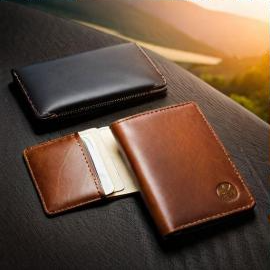
In our modern, fast-paced world, convenience is king. We tap our cards to pay for coffee, hop on transit with a wave of a pass, and breeze through security checkpoints. This magic is powered by Radio Frequency Identification (RFID). But with great convenience comes a new kind of risk: digital theft. As contactless technology becomes standard, the humble leather wallet has had to evolve.
Enter the RFID leather wallet. It looks like the classic accessory you know and love, but it hides a modern secret weapon. In this guide, we'll uncover how RFID protection works in leather wallets, whether you really need it, and the benefits of upgrading your everyday carry.
What is RFID Protection in a Leather Wallet?
You might be wondering, how can a piece of leather stop radio waves? The answer lies in what's underneath the surface.
RFID protection in a leather wallet works like a Faraday cage—a shield that blocks electromagnetic fields. Manufacturers sew a specialized metallic lining or a microscopic metal mesh between the layers of leather. This material is designed to block specific frequencies, typically 13.56 MHz, which is the standard frequency for credit cards, debit cards, and passports.
Key Takeaway: An RFID-blocking wallet uses a hidden metallic layer to interrupt radio signals, preventing scanners from reading the data on your cards while they are inside your wallet.
Do All Leather Wallets Have RFID Blocking?
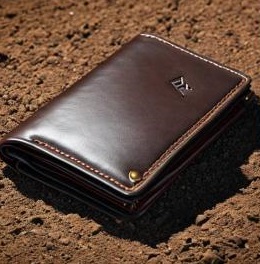
The short answer is no. Standard leather is a natural material and does not inherently block radio waves. If you take a regular vintage leather wallet and hold it up to a tap-to-pay terminal, the reader will likely still detect your card.
However, the market has shifted. Many modern leather goods brands now include RFID blocking as a standard feature because:
- It adds value without changing the look of the wallet.
- It provides peace of mind to security-conscious consumers.
- It creates a competitive advantage over standard wallets.
If you aren't sure if your current wallet has protection, look for an "RFID Protected" stamp or label on the packaging or inside the wallet itself.
The Benefits of an RFID Leather Wallet
Why should you choose an RFID-blocking option for your next purchase? Here are the top benefits:
1. Protection Against "Skimming"
While rare, tech-savvy thieves can use handheld scanners to read card information from a distance—sometimes just by standing near you in a crowded subway or line. An RFID wallet creates a barrier that makes this type of "electronic pickpocketing" virtually impossible.
2. Preventing Accidental Payments
Have you ever heard of "card clash"? If you have multiple contactless cards, a strong reader might try to scan all of them at once, or scan the wrong one. worse, highly sensitive terminals can sometimes trigger a payment from a wallet resting on a counter. RFID blocking ensures your cards only transmit data when you deliberately remove them.
3. Maintaining Style with Security
For a long time, if you wanted RFID protection, you had to buy a clunky metal card holder. An RFID leather wallet offers the best of both worlds: the timeless, sophisticated aesthetic of genuine leather combined with modern digital security. You don't have to sacrifice style to stay safe.
Conclusion: Is It Worth It?
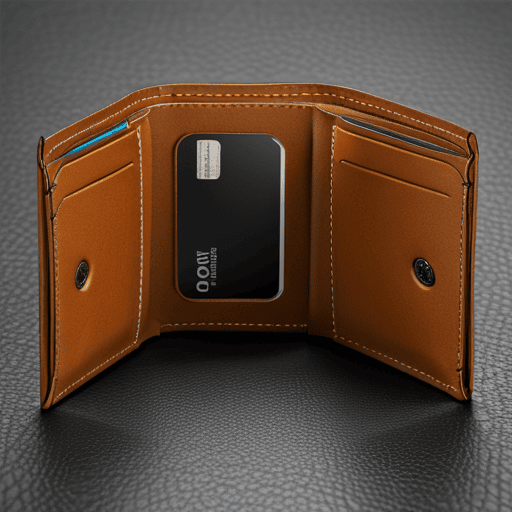
In an age where data is as valuable as cash, taking small steps to protect your identity is a smart move. An RFID leather wallet is a low-cost insurance policy that protects your financial information from unauthorized scans and accidental charges.
Whether you are a frequent traveler navigating busy airports or simply someone who values privacy, upgrading to an RFID-protected wallet ensures your personal information stays exactly where it belongs: in your pocket.

Travel and culture writer covering artisan traditions across the Mediterranean.