Are Textured Wallets More Expensive Than Regular Wallets? A Cost Analysis
Discover if textured wallets cost more than regular smooth wallets. We analyze the price factors including materials, craftsmanship, and brand value to help you decide.
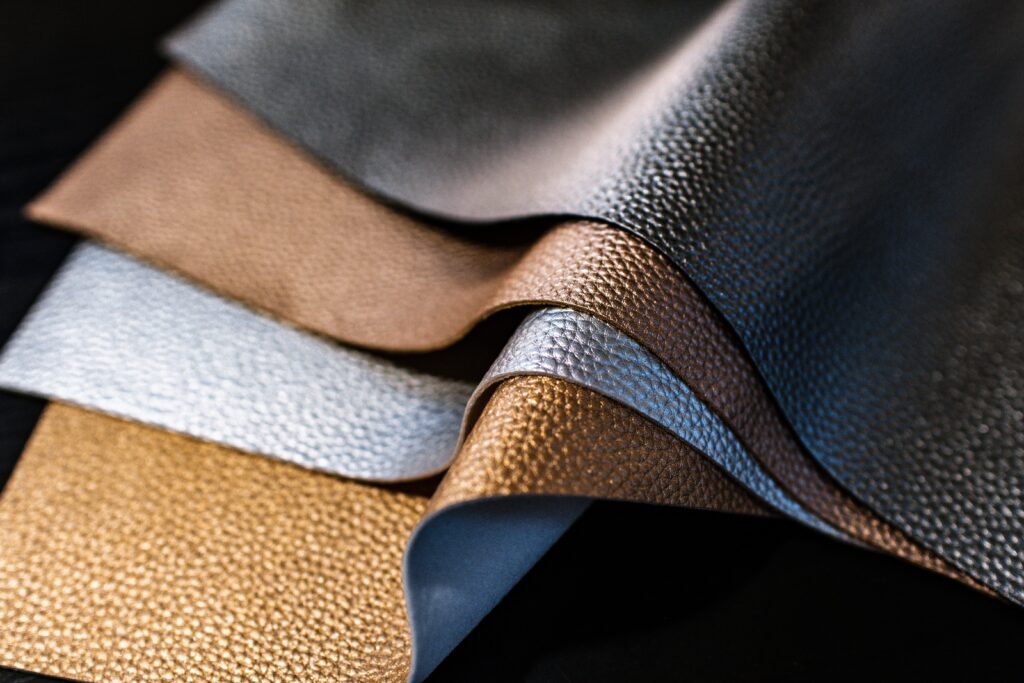
When shopping for a new wallet, you might notice a wide range of prices. While brand and material play a huge role, the texture of the wallet is another key factor. Are textured wallets more expensive than regular smooth wallets? Generally, yes. The additional craftsmanship, specialized materials, and unique manufacturing processes required to create textured finishes often result in a higher price tag compared to standard smooth leather or synthetic alternatives.
However, the price difference isn't just about aesthetics. Textured wallets often offer better durability and resistance to scratches, providing better long-term value. Let's dive into the details of why textured wallets might cost more and if they are worth the investment.

The Cost of Craftsmanship and Production
One of the primary reasons textured wallets are more expensive is the production process. A smooth leather wallet requires cutting, stitching, and finishing. A textured wallet, however, involves additional steps:
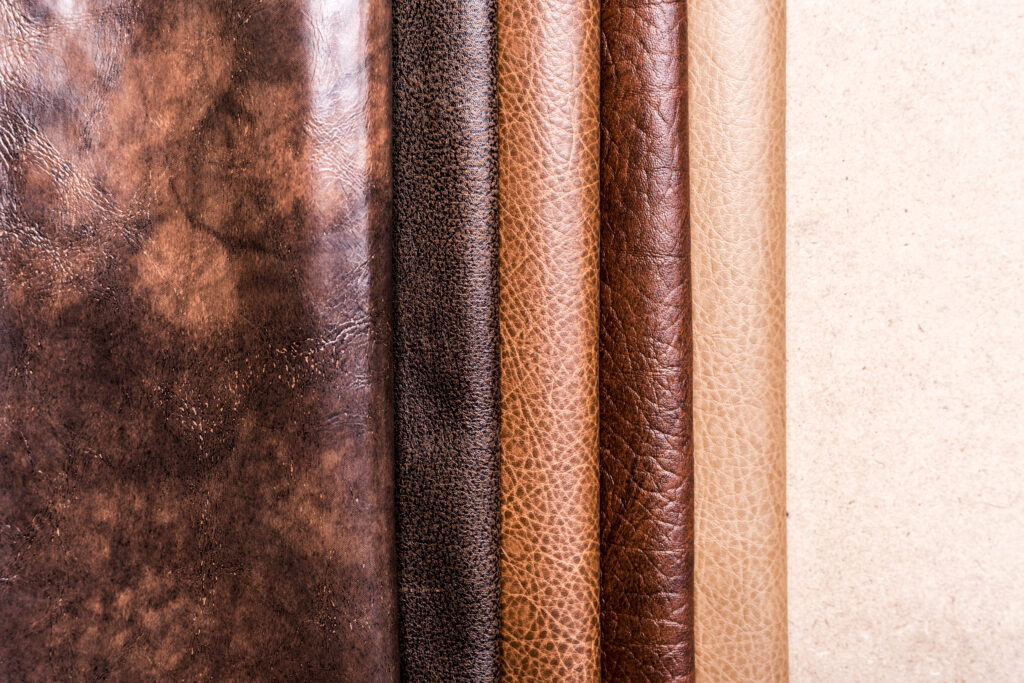
- Embossing: Creating patterns like Saffiano, pebble grain, or crocodile print requires high-pressure heating and pressing machines.
- Weaving: Woven leather wallets require skilled artisans to manually interlace strips of leather, significantly increasing labor time.
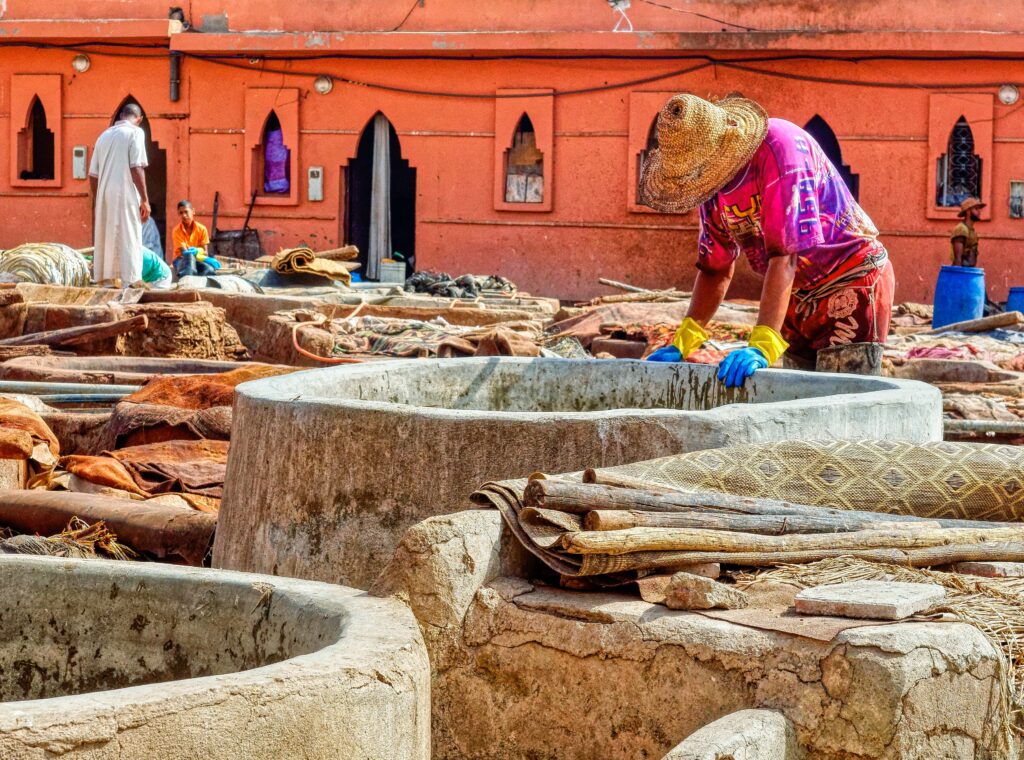
- Special Treatments: Many textured leathers undergo specific chemical or mechanical treatments to enhance the grain and ensure durability.
This extra labor and specialized equipment naturally drive up the manufacturing cost, which is reflected in the retail price.
Material Quality: Textured vs. Regular Leather
The base material used in textured wallets is often of higher quality or specifically treated to handle the texturing process without cracking. For example:
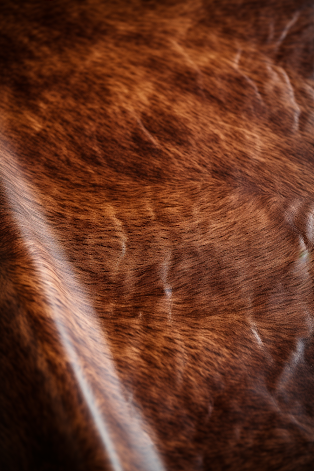
- Full-Grain Leather: The highest quality leather, often used for premium textured wallets, retains the natural markings and strength of the hide.
- Top-Grain Leather: Commonly used for embossed textures like Saffiano, which is coated with wax for scratch resistance.
In contrast, cheaper "regular" wallets might use corrected grain or bonded leather, which are less expensive to produce but lack the longevity of the materials used in high-end textured wallets.
Brand Value and Exclusivity
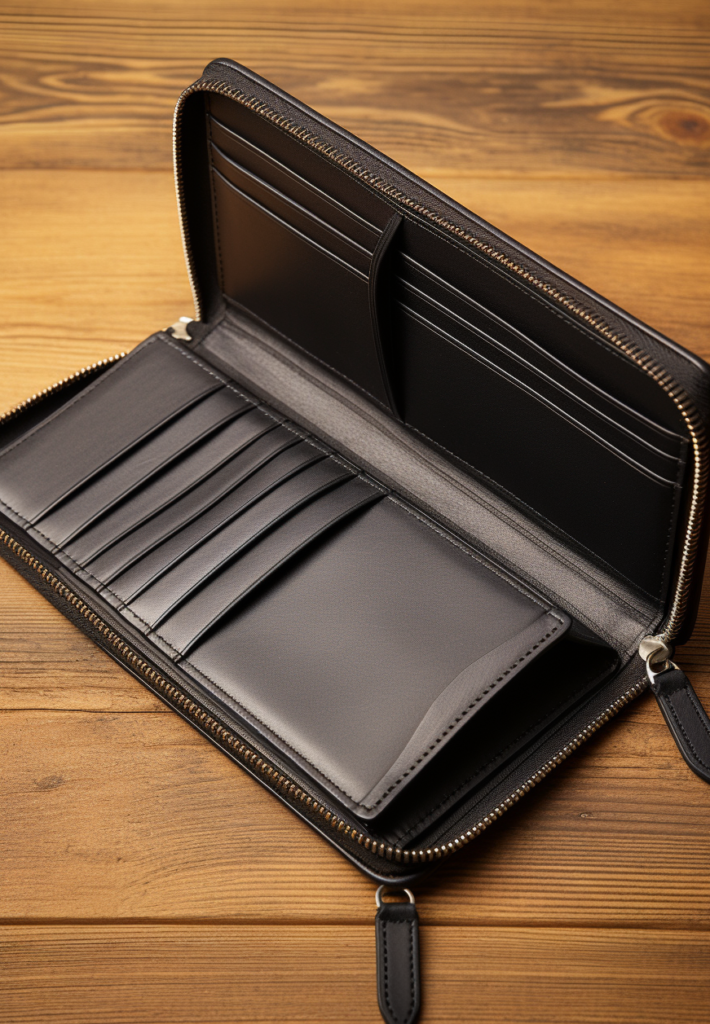
Luxury brands often use specific textures as a signature. Think of Prada's Saffiano leather or Bottega Veneta's Intrecciato weave. These iconic textures are not just about the material; they are a status symbol. When a texture becomes associated with a high-end brand, the price includes a premium for that brand identity. Limited edition textured runs can also drive prices up due to scarcity.
Durability: The Long-Term Value
While the upfront cost of a textured wallet might be higher, the benefits of textured wallets often outweigh the initial expense. Textured surfaces are excellent at hiding scratches, scuffs, and minor wear that would be immediately visible on smooth leather. A $100 textured leather wallet that looks new for five years offers better value than a $30 smooth wallet that looks worn out after six months.
Price Comparison Overview
To give you a better idea, here is a general price range comparison:
- Budget Smooth Wallets ($15 - $40): Usually made of PU leather or lower-grade genuine leather.
- Mid-Range Textured Wallets ($50 - $150): Often made of top-grain leather with embossed patterns (e.g., pebble grain). Offers a good balance of style and durability.
- Luxury Textured Wallets ($200 - $800+): Feature premium skins (like alligator or high-end calfskin), complex weaves, or designer branding.
Conclusion: Is It Worth It?
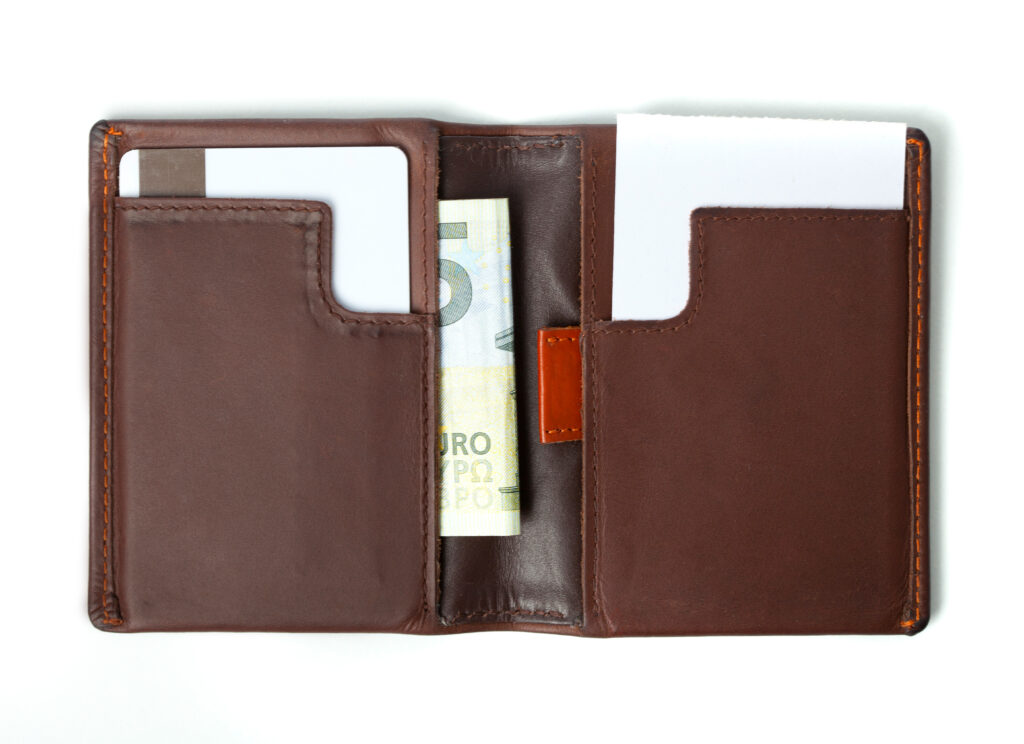
So, are textured wallets more expensive? typically, yes. But they are also more durable, stylish, and often made with better craftsmanship. If you are looking for a wallet that can withstand daily use while maintaining its look, the extra cost is a worthy investment in quality and longevity.
Explore More About Textured Wallets
Now that you understand the pricing, learn how to maintain your investment and what materials to look for:
- Care Tips for Textured Wallets - Keep your wallet looking new.
- Common Materials for Textured Wallets - Understand what goes into your wallet.

Creative director at ChicCuir, overseeing seasonal collections and brand visual identity.