The Ultimate Guide to Textured Wallet Materials: Leather, Canvas, and More
Discover the best textured wallet materials, from full-grain and pebble leather to canvas and carbon fiber. Learn how texture impacts style, grip, and durability.
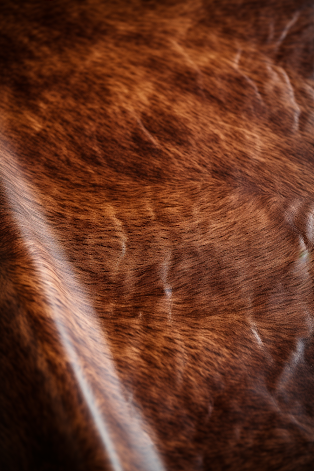
When choosing a wallet, most people focus on capacity or color. But texture is the unsung hero of a great wallet. It determines how the wallet feels in your hand, how easily it slides out of your pocket, and how it ages over time. From the rugged grain of buffalo leather to the smooth weave of carbon fiber, the materials used to create textured wallets are vast and varied.
In this guide, we'll dive deep into the world of textured wallet materials, exploring the different types of leather textures, synthetic options, and why the feel of your wallet matters just as much as its look.
Leather: The King of Wallet Textures
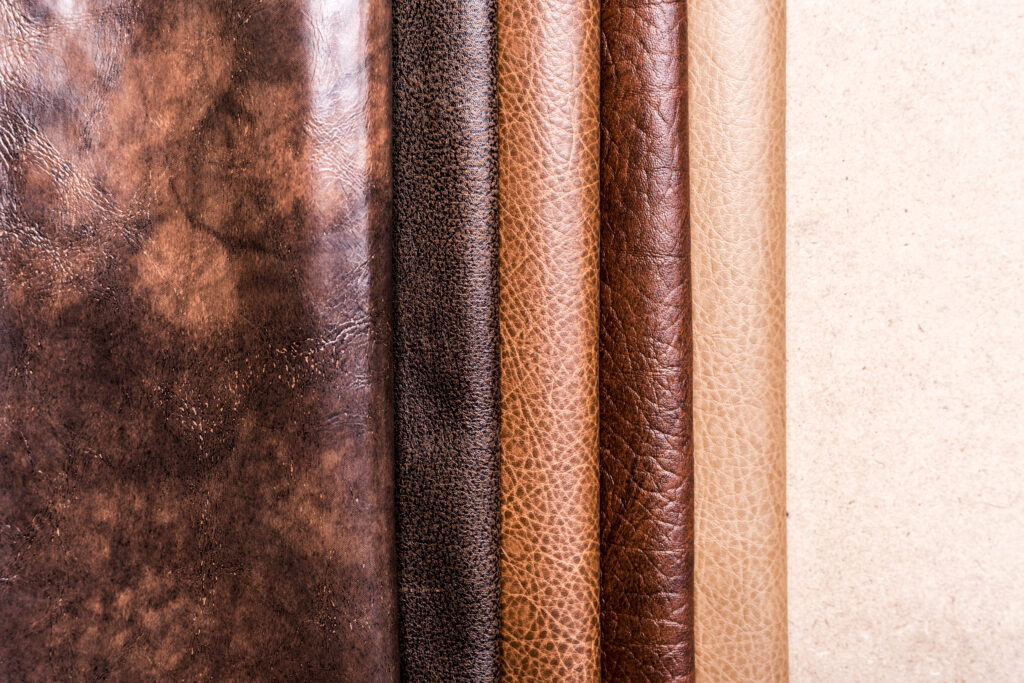
Leather remains the gold standard for wallets, largely due to its incredible variety of textures. "Leather" isn't just one thing; how the hide is processed, tanned, and finished creates a spectrum of tactile experiences.
1. Full-Grain vs. Top-Grain Leather
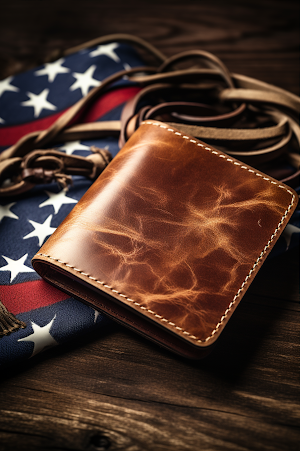
Full-grain leather is the highest quality leather available. It uses the entire grain of the hide, including all the natural imperfections and toughness. Its texture is unique to each animal—you might see pores, small scars, or wrinkles. This "imperfect" texture is prized because it tells a story and develops a rich patina (a soft sheen) over time.
Top-grain leather has had the very top layer sanded away to remove imperfections. It is then often stamped with a uniform imitation grain. While it feels smoother and looks more consistent than full-grain, it lacks the rugged, natural character that many enthusiasts love.
2. Pebble Grain Leather
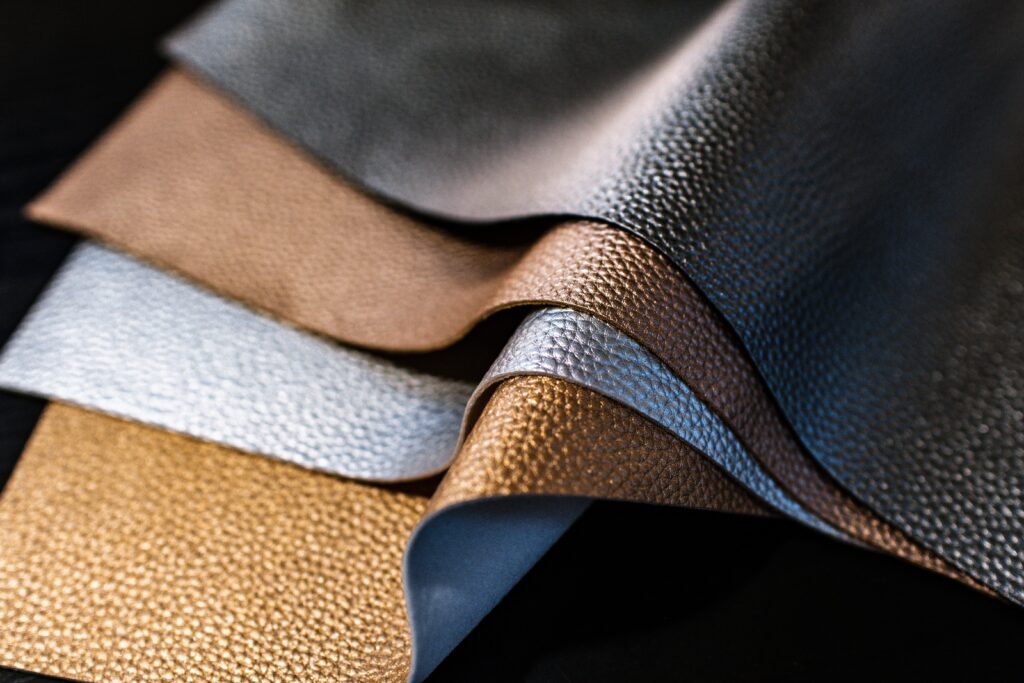
If you've ever held a wallet with a bumpy, raised surface that looks like tiny pebbles, that's pebble grain. This texture is achieved by shrinking the leather during tanning or embossing it with a heavy press. Pebble grain is fantastic for hiding scratches and scuffs, making it a durable choice for everyday carry. It also offers excellent grip.
3. Saffiano Leather
Famous in high-end fashion, Saffiano leather is instantly recognizable by its cross-hatch pattern. This texture is pressed into the wax coating of the leather, creating a surface that is virtually scratch-proof and water-resistant. It feels hard and rigid compared to other leathers, giving the wallet a structured, modern feel.
4. Suede and Nubuck
For those who crave softness, suede and nubuck are the answer. Suede is made from the underside of the skin, creating a soft, fuzzy nap. Nubuck is top-grain leather that has been sanded to create a velvet-like surface. Both feel incredibly luxurious—like butter in your hands—but they are more susceptible to water and stains than finished leathers.

Fabric and Synthetic Textures: Modern and Versatile
While leather is classic, modern materials offer textures that are just as compelling, often with added benefits like water resistance or lighter weight.
1. Canvas
Canvas offers a rugged, woven texture that feels durable and earthy. It's often used for casual wallets or combined with leather trim. The weave of the fabric provides a tactile grid that is easy to grip. Canvas is also a perfect canvas (pun intended) for printing, allowing for graphic designs that wouldn't work on leather.
2. Carbon Fiber
For the tech-savvy, carbon fiber wallets offer a distinct high-tech texture. It is smooth but has a visible woven pattern that reflects light in a unique way. It feels cool to the touch, rigid, and incredibly lightweight. It's the texture of modern luxury and performance.
3. Recycled Nylon and Microfiber
Sustainable fashion has brought us materials like recycled nylon and microfiber. Nylon can be finished with a "crinkle" texture that adds visual interest and grip. Microfiber can mimic the feel of suede (often called "vegan suede") or have a smooth, technical feel. These materials are often waterproof and very easy to clean.
Why Texture Matters
Choosing a textured wallet isn't just about aesthetics; it's about functionality.
- Grip: A heavily textured wallet (like pebble grain or canvas) is less likely to slip out of your pocket or hand than a smooth, polished one.
- Durability: Textures like Saffiano or embossed grains are often better at hiding the scratches and dings that naturally occur with daily use.
- Aging: Natural textures like full-grain leather or canvas will change over time. They soften, darken, and mold to your use patterns. Synthetic textures like carbon fiber will remain pristine and unchanged for years.
Conclusion
From the organic, evolving feel of full-grain leather to the precise, engineered touch of carbon fiber, the world of textured wallet materials is vast. When shopping for your next wallet, close your eyes and feel it. Does it feel secure? Does it feel luxurious? The texture is the primary way you interact with your wallet every single day—make sure it's a feeling you enjoy.
Explore more about wallet materials and care in our related articles.
Product care educator and master craftsman with a deep passion for leather longevity.