Textured Wallets Ultimate Guide: Benefits, Materials, Cost & Care
Everything you need to know about textured wallets. Discover the benefits, best materials (Saffiano, Pebble Grain), cost analysis, and expert care tips.
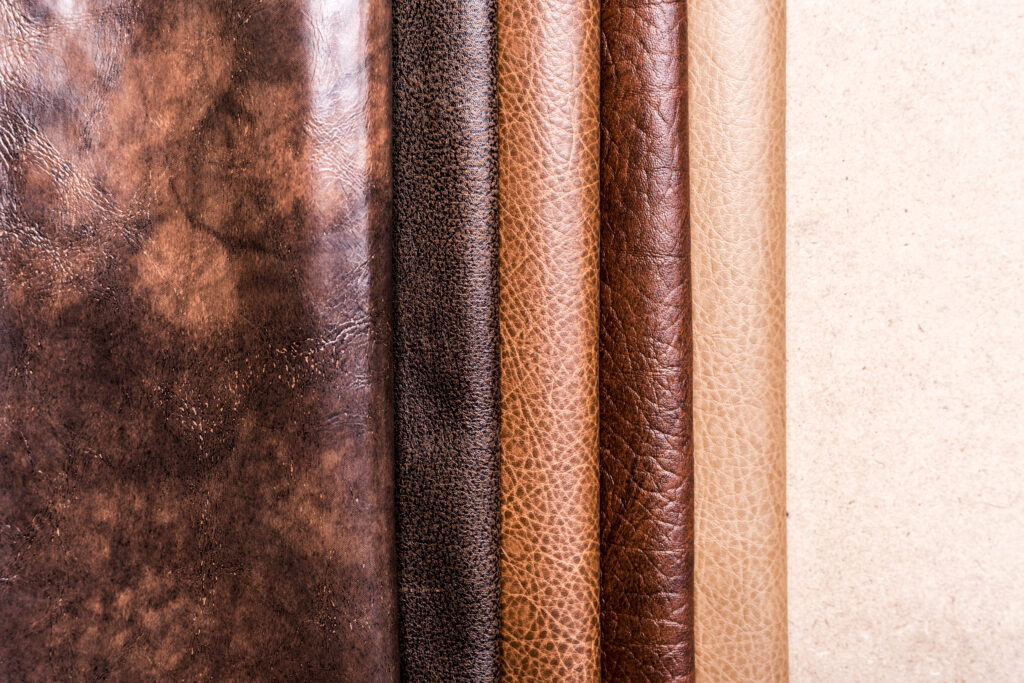
When choosing a new wallet, many people focus solely on color or capacity, overlooking one of the most important factors: texture. A textured wallet offers more than just a unique visual appeal; it provides practical benefits that can enhance your daily carry experience. From the rugged grain of pebble leather to the refined cross-hatch of Saffiano, texture determines how your wallet feels, ages, and performs.
In this comprehensive guide, we'll explore everything you need to know about textured wallets: the benefits, common materials, cost considerations, and how to keep them looking brand new.
Part 1: The Benefits of Using a Textured Wallet
1. Superior Durability and Scratch Resistance
One of the primary advantages of a textured wallet is its ability to withstand daily wear and tear. Smooth leather wallets are prone to showing every scratch, scuff, and imperfection. In contrast, textured surfaces act as a form of "optical camouflage." The uneven surface diffuses light, making minor scratches significantly less visible. This means your wallet maintains its pristine appearance for much longer.
2. Enhanced Grip and Handling
Smooth leather can be surprisingly slippery, especially when new. Textured wallets solve this problem by providing a tactile surface that improves grip. The ridges and patterns give your fingers purchase, making it easier to retrieve from tight pockets or bags without slipping. This added security minimizes the risk of accidental drops.
3. Distinctive Style
A wallet is a personal accessory that reflects your style. Textured finishes—whether it's the sophisticated cross-hatch of Saffiano leather or the rugged look of pebbled grain—add depth and character that plain smooth leather often lacks.
Part 2: Common Materials for Textured Wallets
Not all textures are created equal. Here are the most popular materials used to create that distinct feel:
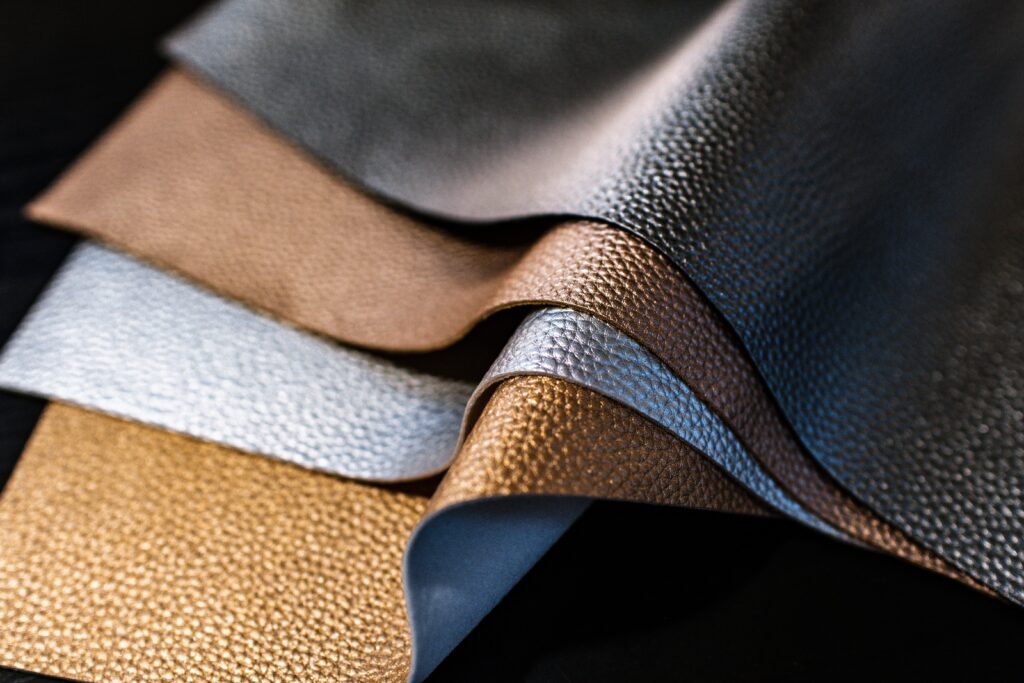
Pebble Grain Leather
Recognizable by its bumpy, raised surface that looks like tiny pebbles. This texture is achieved by shrinking the leather during tanning or embossing it. It is excellent for hiding scuffs and offers a soft, rugged feel.
Saffiano Leather
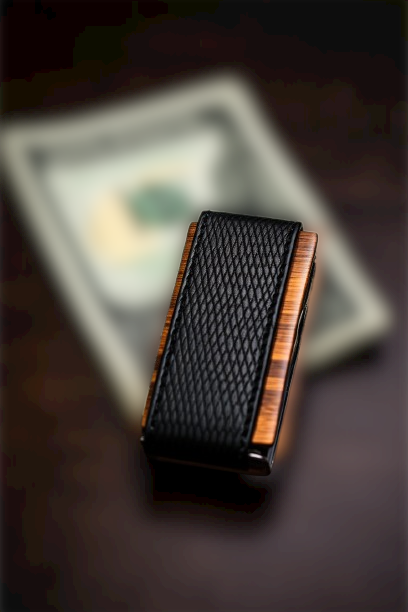
Famous in high-end fashion, Saffiano leather features a diagonal cross-hatch pattern pressed into the wax coating. It is virtually scratch-proof and water-resistant, giving the wallet a structured, modern feel.
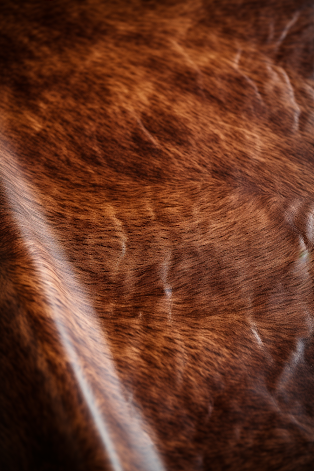
Full-Grain Leather
The highest quality leather, which retains the natural markings and grain of the hide. Its texture is unique to each animal—containing pores, wrinkles, and scars that tell a story.
Canvas & Carbon Fiber
For non-leather options, canvas offers a rugged woven texture, while carbon fiber provides a smooth, high-tech weave that is lightweight and rigid.
Part 3: Are Textured Wallets More Expensive?
Generally, yes. Textured wallets often command a higher price tag than standard smooth wallets due to:
- Production Costs: Creating textures often involves additional steps like embossing, shrinking, or weaving, which require specialized machinery and skilled labor.
- Material Quality: High-end textured wallets often use full-grain or top-grain leather to ensure the texture holds without cracking.
- Brand Value: Specific textures (like Saffiano or Intrecciato weaves) are associated with luxury brands, adding a premium to the price.
However, the investment is often worth it due to the increased durability and longevity of the product.
Part 4: Care Tips for Textured Wallets
Textured surfaces can trap dirt and debris in the crevices. Here is how to keep your wallet clean:
The Dry Brush Technique
The most important step for textured wallets is to use a soft-bristled brush (like a horsehair brush or soft toothbrush). Gently brush the wallet in circular motions to lift dust and dirt out of the grain that a cloth simply can't reach.
Gentle Cleansing
Dampen a microfiber cloth slightly with water or a mild leather cleaner. Wipe the surface gently. Do not soak the wallet. If grime is stubborn, use the brush with a tiny amount of cleaner to work into the grain, then wipe away immediately.
Conclusion
Switching to a textured wallet offers a blend of practicality and style that is hard to beat. With superior resistance to scratches, better grip, and a unique look that stands out, it is a functional upgrade from standard smooth leather options. Whether you prefer the rugged feel of pebbled leather or the refined look of an embossed pattern, a textured wallet is built to handle the rigors of daily life while looking great.
Product care educator and master craftsman with a deep passion for leather longevity.