Ultimate Guide: How to Clean and Care for Textured Leather Wallets
Textured wallets—whether they feature pebbled leather, Saffiano cross-hatch patterns, or embossed designs—add a sophisticated touch to your everyday carry. However, their unique surfaces can trap dirt and debris in ways smooth leather doesn't. Withou...

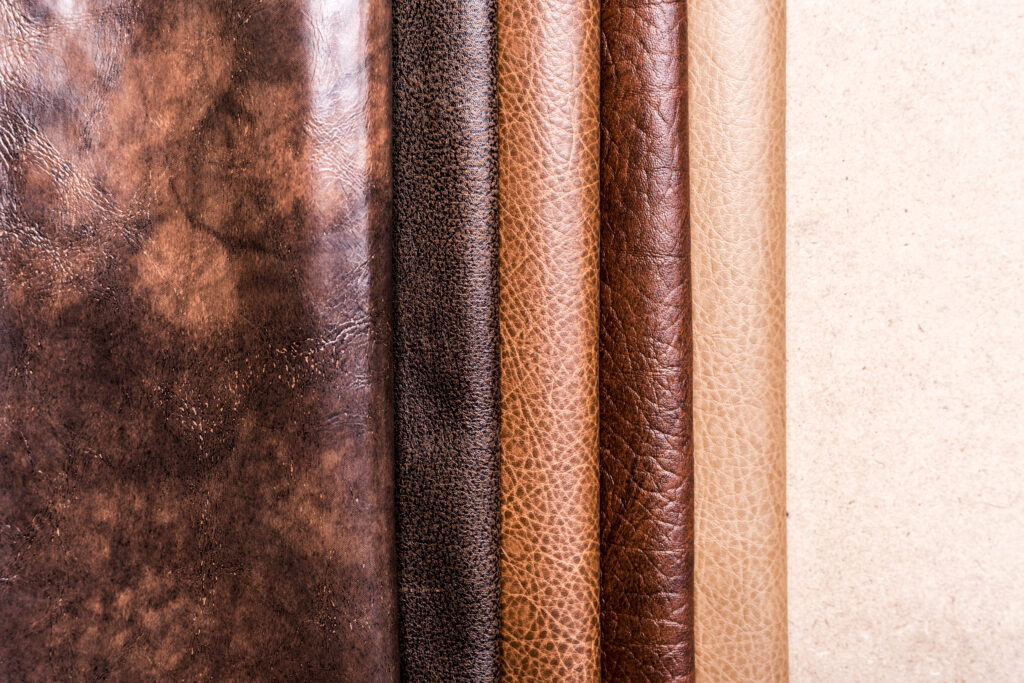
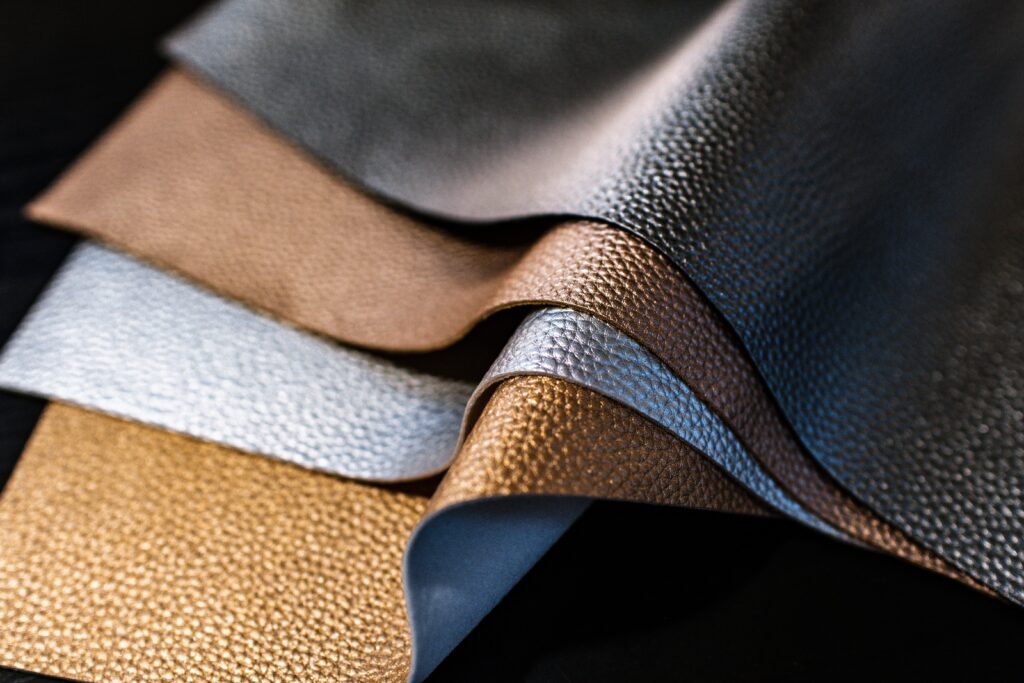
Textured wallets—whether they feature pebbled leather, Saffiano cross-hatch patterns, or embossed designs—add a sophisticated touch to your everyday carry. However, their unique surfaces can trap dirt and debris in ways smooth leather doesn't. Without proper care, those beautiful crevices can accumulate grime, causing the material to dull and degrade over time.
If you're wondering how to keep your textured wallet looking pristine, you've come to the right place. This guide covers everything from deep cleaning techniques to daily maintenance tips specifically for textured surfaces.
Why Textured Wallets Need Special Care
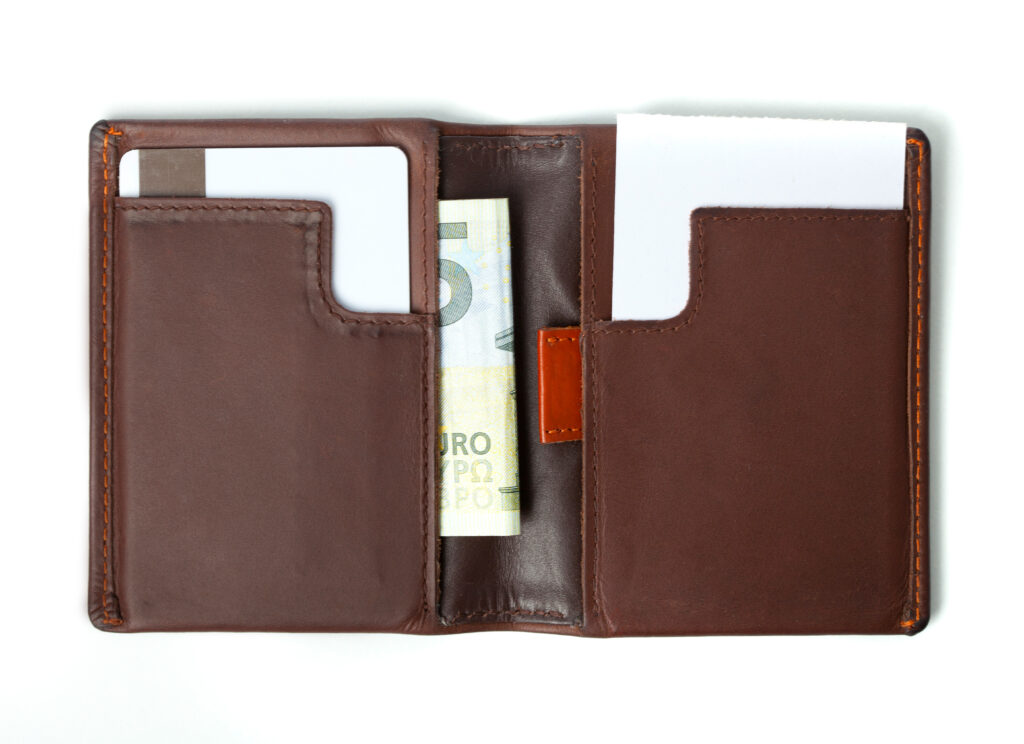
Unlike smooth leather, which can often be wiped clean in seconds, textured wallets have peaks and valleys. The "valleys" or grain grooves are magnets for dust, pocket lint, and oils from your hands. If left unchecked, this buildup can harden, making it difficult to remove without damaging the finish. Furthermore, aggressive scrubbing can flatten the texture or wear down the raised areas, ruining the wallet's distinct look.
What You'll Need
Before you start, gather these essential tools. Avoid harsh chemicals that can strip the leather's natural oils.
- Soft-Bristled Brush: A horsehair brush or a very soft toothbrush is crucial for getting into the grain without scratching.
- Microfiber Cloths: Lint-free cloths are best for wiping down surfaces.
- Mild Leather Cleaner: Look for a pH-balanced cleaner suitable for textured leather.
- Leather Conditioner: Essential for keeping the leather supple and preventing cracks.
- Toothpick (Optional): For gently removing stubborn debris from deep crevices.
Step-by-Step: How to Clean Textured Leather
1. Empty and Shake
Remove all cards, cash, and receipts. Turn the wallet upside down and give it a gentle shake to dislodge loose debris.
2. The Dry Brush Technique
This is the most important step for textured wallets. Take your soft-bristled brush and gently brush the wallet in circular motions. This lifts dust and dirt out of the textured grain that a cloth simply can't reach. Pay extra attention to the seams and corners.
3. Gentle Cleansing
Dampen a microfiber cloth slightly with water or a mild leather cleaner. Do not soak the wallet. Wipe the surface gently. If you're using a specific cleaner, test it on a hidden area first to ensure it doesn't discolor the material.
4. Air Dry Properly
Wipe off any excess moisture with a dry cloth. Leave the wallet open to air dry in a cool, well-ventilated area. Never use a hairdryer or place it near a heater, as direct heat can dry out the leather and cause cracking.
Conditioning and Protection
Once your wallet is clean and dry, it needs hydration. Leather is skin, and it needs moisturizer to stay flexible.
- Apply Sparingly: Put a pea-sized amount of leather conditioner on a clean cloth, not directly on the wallet.
- Buff Gently: Massage it into the leather using circular motions. This helps the conditioner penetrate the textured grain.
- Buff Off Excess: After letting it sit for a few minutes, buff the wallet with a clean dry cloth to remove any residue that could attract new dirt.
Repeat this process every 3 to 6 months to maintain the leather's luster and feel.
Daily Maintenance & Storage Tips
Prevention is better than cure. Here’s how to protect your textured wallet from daily wear and tear:
Don't Overstuff
Bulky wallets are not only uncomfortable to sit on but also damaging to the leather. Overstuffing stretches the material, distorting the beautiful texture you paid for. Stick to the essentials.
Avoid Moisture and Heat
Water and leather don't mix well. If your wallet gets wet, blot it dry immediately—don't rub. Keep it away from direct sunlight, which can fade the color and make the texture brittle.
Proper Storage
If you're switching wallets, store your textured wallet in a dust bag or a breathable cotton pillowcase. Avoid plastic bags, which can trap moisture and cause mildew. Stuff the wallet lightly with acid-free tissue paper to help it hold its shape.
Troubleshooting Common Issues
Scratches
Light scratches can often be buffed out with a clean finger (the natural oils help) or a soft cloth. For deeper scratches, a tiny amount of conditioner can help blend them in.
Oil Stains
Grease spots can be tricky. Sprinkle a little cornstarch or talcum powder on the spot and let it sit overnight to absorb the oil. Brush it off gently in the morning.
Ink Marks
Ink is notoriously difficult to remove from leather. It's often best to consult a professional leather cleaner rather than risking damage with harsh home remedies like alcohol.
Conclusion
A textured wallet is a statement piece that deserves to be showcased. By incorporating a simple dry brushing routine and regular conditioning, you can ensure the texture remains sharp and defined for years. Remember, the key is gentleness—let the tools do the work so you don't wear down the unique finish that makes your wallet special.
Happy caring for your textured wallet!
Next Up
Are textured wallets more expensive than regular wallets?

Product care educator and master craftsman with a deep passion for leather longevity.